Phil Dunham
Actor
Born: April 23, 1885 in London, England, UK Died: September 5, 1972 Active: 1914-1953 Birth Name: Philip Gray Dunham
Films
1 film
About Phil Dunham
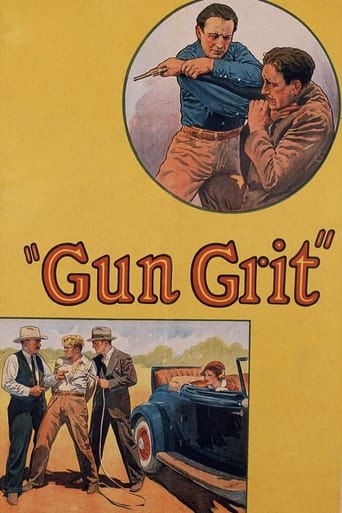
Phil Dunham appears in Gun Grit (1936), Good Night, Nurse (1920), Aces Wild (1936) in this catalog. His nearly four decades, concluding with uncredited roles in major MGM productions like 'Singin' in the Rain' and 'Easy to Love' before his retirement.
The Craft
On Screen
Dunham's acting style was rooted in his Vaudeville background, characterized by expressive facial work and physical agility in his early silent comedy roles. In the sound era, he adapted into a reliable 'utility' character actor, capable of portraying a wide range of archetypes from nervous bank clerks and professional doctors to gritty Western henchmen. His performances were often noted for their understated efficiency, allowing him to blend seamlessly into the ensemble of low-budget features and high-profile studio films alike.
Milestones
- Established himself as a leading comedian in the 'Cameo Comedies' silent short series during the 1920s.
- Successfully transitioned from silent slapstick to character roles in sound-era Westerns and B-movies.
- Authored or co-authored screenplays for significant independent films, including 'The Duke is Tops' (1938).
- Appeared in over 200 films throughout a career that lasted nearly 40 years.
- Maintained a steady presence in 'Poverty Row' productions, working with stars like Hoot Gibson and Harry Carey.
Best Known For
Iconic Roles
Must-See Films
Accolades
Special Recognition
- Recognized as a veteran of the silent comedy era in film history retrospectives of Mack Sennett and Educational Pictures.
Working Relationships
Worked Often With
Studios
Why They Matter
Impact on Culture
Phil Dunham represents the essential 'working actor' of early Hollywood, whose survival across the silent-to-sound transition illustrates the industry's evolution. His work as a screenwriter for 'race films' like 'The Duke is Tops' (which featured Lena Horne in her film debut) is culturally significant, as these films provided rare opportunities for African American performers during the era of segregation. By contributing scripts to these independent productions, Dunham played a role in the preservation and promotion of Black cinema history.
Lasting Legacy
Dunham's legacy is preserved through his massive filmography, which serves as a comprehensive record of the B-Western and independent film industry of the 1930s. He is remembered by film historians primarily for his contributions to the 'Cameo Comedies' and his transition into a dependable character actor. His dual career as both a performer and a writer makes him a notable figure in the study of early 20th-century multi-hyphenate filmmakers who operated outside the major studio system's primary spotlight.
Who They Inspired
He influenced the structure of low-budget Western screenwriting through his numerous scripts for 'Poverty Row' studios, helping define the tropes of the genre in the mid-1930s.
Off Screen
Phil Dunham was born into a family that valued education, leading to his studies at Cambridge University. He eventually moved to the United States to pursue a career in entertainment, starting in the Vaudeville circuits before settling in Los Angeles. He remained active in the Hollywood community for most of his adult life, eventually retiring in the early 1950s.
Education
Cambridge University, England
Did You Know?
- He was educated at the University of Cambridge before becoming a Vaudeville performer.
- Dunham appeared in several uncredited roles in legendary films like 'Singin' in the Rain' (1952) and 'The Bad and the Beautiful' (1952) toward the end of his career.
- He was a frequent star of 'Cameo Comedies,' which were popular one-reel silent shorts in the 1920s.
- As a writer, he often worked on films intended for African American audiences, a niche market in the 1930s known as 'race films.'
- He lived to the age of 87, witnessing the entire evolution of the Hollywood studio system from its infancy to its decline.
- In the 1936 film 'Gun Grit,' he played a character named 'Henchman Looie.'
- His screenwriting credits often overlapped with his acting roles, such as in 'I'll Name the Murderer' (1936).
Frequently Asked Questions
Who was Phil Dunham?
British-American with credits in this catalog. He was well-known for his roles in silent comedies and later as a character actor in numerous Westerns and B-movies.
What films is Phil Dunham best known for?
Titles linked here include Gun Grit (1936), The Duke is Tops (1938) [Writer].
When was Phil Dunham born and when did he die?
Born April 23, 1885; died September 5, 1972.
What was Phil Dunham's contribution to screenwriting?
Dunham wrote or co-wrote several screenplays during the 1930s, including many 'race films' specifically produced for African American audiences, which are now considered important historical artifacts of independent cinema.
Did Phil Dunham appear in any famous movies?
Yes, while he often played small or uncredited roles, he appeared in several classics toward the end of his career, including 'Singin' in the Rain,' 'Annie Get Your Gun,' and 'The Bad and the Beautiful.'