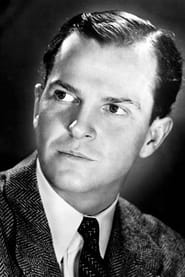
American character actor: three decades of Hollywood's Golden Age, known for his imposing presence and versatility in playing both villains and authority figures. Born in Ohio in 1908, Baxter began his acting career on Broadway before transitioning to films in the early 1930s, quickly establishing himself as a reliable supporting actor. Alan appears in over 100 films throughout his career, often cast as gangsters, military officers, or stern authority figures thanks to his tall stature and commanding voice. His most notable performances came in film noir and crime dramas, where his natural intensity served him well in portraying complex antagonists. Despite never achieving leading man status, Baxter became a familiar face to movie audiences through his consistent work across major studios. His career continued successfully through the 1950s, with appearances in both films and the emerging medium of television. Baxter retired from acting in the early 1960s, leaving behind a substantial body of work that exemplified the character actor's crucial role in classic Hollywood cinema.
The Craft
On Screen
Baxter was known for his naturalistic yet intense acting style, bringing authenticity to his roles as authority figures and antagonists. He possessed a commanding screen presence with his tall, muscular frame and distinctive voice, which he used effectively to convey both menace and gravitas. His approach was grounded in realism, avoiding theatrical mannerisms in favor of subtle, nuanced performances that made even his villainous characters multi-dimensional. Baxter excelled at portraying internal conflict and moral ambiguity, particularly in his film noir roles where he often played characters walking the line between right and wrong.
Milestones
Broadway debut in the early 1930s
Film debut in 'The Woman Between' (1931)
Memorable role in 'The Story of Vernon and Irene Castle' (1939)
Critical acclaim for 'The Great Man's Lady' (1942)
Alan Baxter married actress Barbara Pepper in 1936, though their marriage ended in divorce. He later married actress Gail Patrick in 1947, and they remained together until his death in 1976. Baxter was known as a private individual who kept his personal life out of the Hollywood spotlight, focusing instead on his craft. He was respected by his colleagues for his professionalism and dedication to his work, often being described as.
spouses
children
education
Western Reserve University (now Case Western Reserve University) - studied drama before leaving to pursue acting career
studioAffiliations
frequentCollaborators
mentors
protégés
culturalImpact
Alan Baxter contributed significantly to the Golden Age of Hollywood by embodying the archetype of the American character actor who could elevate any production through his presence and skill. His work in film noir helped define the genre's visual and thematic conventions, particularly in his portrayal of morally ambiguous characters. Baxter's ability to seamlessly transition between hero and villain roles demonstrated the complexity of American masculinity in post-war cinema. His career trajectory also reflected the changing landscape of Hollywood, from the studio system's golden era to the rise of television, where he successfully adapted his talents. Though never a household name, his face became familiar to millions of moviegoers, representing the backbone of Hollywood's golden age productions.
legacy
Alan Baxter's legacy lies in his contribution to the craft of character acting, demonstrating how supporting roles could be as memorable and impactful as leading performances. His filmography serves as a valuable record of American cinema's golden age, particularly the film noir genre. Baxter's work continues to be studied by film scholars and appreciated by classic cinema enthusiasts for its authenticity and technical excellence. His Hollywood Walk of Fame star stands as a permanent tribute to his contributions to American film culture. Baxter represents the countless talented actors who formed the foundation of Hollywood's studio system, ensuring the quality and consistency of its output during its most productive decades.
influence
Baxter influenced subsequent generations of character actors through his naturalistic approach and versatility in playing diverse roles. His technique of bringing depth to seemingly minor parts became a model for actors seeking to make memorable contributions in supporting roles. Many contemporary character actors cite Baxter's work in film noir as inspiration for their own portrayals of complex antagonists. His ability to maintain a steady career across multiple decades demonstrated the value of reliability and professionalism in the entertainment industry. Baxter's transition from stage to film to television also provided a blueprint for actors navigating changing media landscapes.