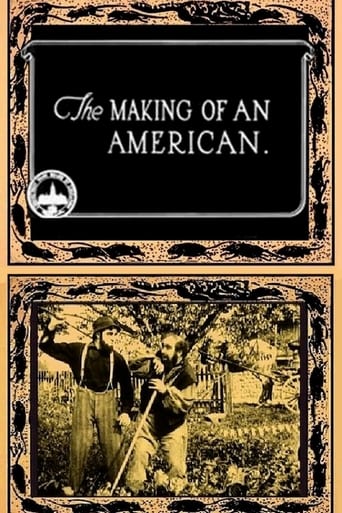

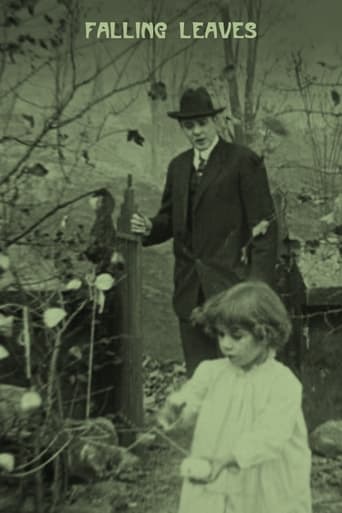
Films
3 films
About Blanche Cornwall
Silent film actress who had a brief but notable career in 1912, appearing in at least two significant early American films. She worked primarily with female director Alice Guy-Blaché at Solax Studios, which was early film production companies. Her most recognized performances were in 'Making an American Citizen' (1912) and 'Falling Leaves' (1912), both directed by Guy-Blaché. These films were part of the early American cinema movement that helped establish narrative filmmaking techniques. Cornwall's career appears to have been extremely brief, concentrated entirely within the year 1912, which was not uncommon for many early film actors who worked in the rapidly evolving industry before it became more institutionalized. Her work represents the contributions of countless early performers who helped shape cinema but whose names have largely been lost to history.
The Craft
On Screen
As a silent film actress of 1912, Blanche Cornwall would have employed the exaggerated gestures and facial expressions typical of early cinema, where visual storytelling was paramount and actors needed to convey emotion without dialogue. Her performances in Alice Guy-Blaché's films demonstrated the emerging naturalistic style that was beginning to replace the more theatrical acting techniques of the very early film period.
Milestones
- Appeared in 'Falling Leaves' (1912) directed by Alice Guy-Blaché
- Starred in 'Making an American Citizen' (1912)
- Worked with female director Alice Guy-Blaché at Solax Studios
- Contributed to early American narrative cinema
Best Known For
Iconic Roles
Must-See Films
Working Relationships
Worked Often With
Studios
Why They Matter
Impact on Culture
Blanche Cornwall's cultural impact, while limited by her brief career, is significant as part of the early American cinema movement. Her work with Alice Guy-Blaché places her within the important context of women's contributions to early filmmaking. The films she appeared in, particularly 'Falling Leaves,' are studied today as examples of early narrative cinema and the work of one of cinema's first female directors. Cornwall represents the countless early performers who helped establish the language of cinema but whose individual contributions have been largely forgotten by mainstream film history.
Lasting Legacy
Blanche Cornwall's legacy is preserved through her surviving films, which continue to be studied by film historians and scholars of early cinema. Her performances in Alice Guy-Blaché's films serve as important examples of the transition from theatrical to cinematic acting styles in the early 1910s. While she may not be a household name, her work contributes to our understanding of how early narrative films were constructed and performed, particularly within the context of women-led production companies like Solax Studios.
Who They Inspired
Due to her extremely brief career, Blanche Cornwall's direct influence on other actors or filmmakers is difficult to trace. However, her work in Alice Guy-Blaché's films has indirectly influenced generations of filmmakers and scholars who study early cinema. The naturalistic acting style she helped develop in these early films contributed to the evolution away from theatrical表演 toward more subtle cinematic performances that would become standard in later years.
Off Screen
Very little is known about Blanche Cornwall's personal life, which is typical for many early film actors whose biographical details were not extensively documented. As an actress with such a brief career in 1912, she likely worked in the film industry for a short period before pursuing other interests or returning to private life.
Did You Know?
- Both of her known films were directed by Alice Guy-Blaché, one of cinema's first female directors
- 'Falling Leaves' (1912) is considered an important early American film and is preserved in film archives
- Her entire known filmography consists of only two films, both released in 1912
- She worked at Solax Studios, which was founded by Alice Guy-Blaché and her husband Herbert Blaché
- Her career coincided with the early development of narrative filmmaking in America
- The films she appeared in were produced during a pivotal year when American cinema was transitioning from short novelty films to longer narrative features
- Like many early film actors, she likely came from a theatrical background before entering the film industry
Frequently Asked Questions
Who was Blanche Cornwall?
Silent film actress who had a brief career in 1912, appearing in at least two films directed by female She worked at Solax Studios and contributed to early American narrative cinema during a formative period in film history.
What films is Blanche Cornwall best known for?
Titles linked here include Falling Leaves (1912), Making an American Citizen (1912).
When was Blanche Cornwall born and when did she die?
Unfortunately, specific birth and death dates for Blanche Cornwall are not available in historical records, which is common for many early film actors whose biographical details were not extensively documented.
What awards did Blanche Cornwall win?
Blanche Cornwall did not receive any formal awards or nominations, as she had a very brief career in 1912 before the establishment of major film awards like the Academy Awards, which began in 1929.
What was Blanche Cornwall's acting style?
As a silent film actress of 1912, Blanche Cornwall employed the visual acting techniques typical of early cinema, using exaggerated gestures and facial expressions to convey emotions without dialogue. Her performances in Alice Guy-Blaché's films helped demonstrate the emerging naturalistic style that was replacing more theatrical acting methods.