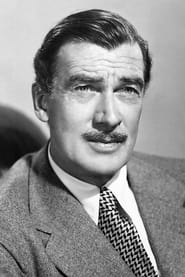
Walter Pidgeon
Actor
Born: September 23, 1897 in Saint John, New Brunswick, Canada Died: September 25, 1984 Active: 1925-1954 Birth Name: Walter Davis Pidgeon
Films
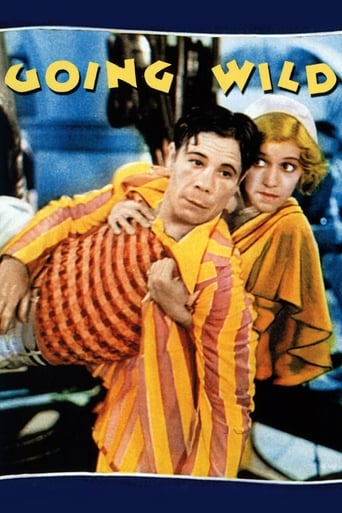
2 films
About Walter Pidgeon
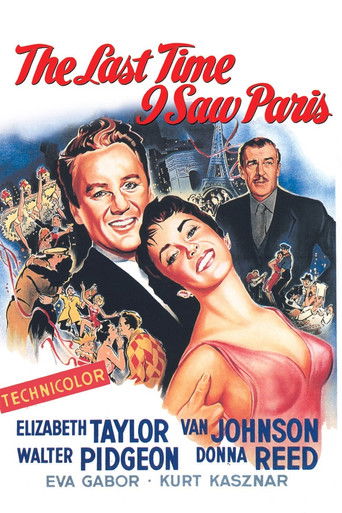
Canadian-American actor: several decades, from the silent era through the Golden Age of Hollywood. Born in Saint John, New Brunswick, Canada, he began his career on Broadway before transitioning to films in the 1920s. Pidgeon became one of MGM's most reliable leading men, known for his dignified presence and rich baritone voice. He achieved his greatest success in the 1940s, particularly with his Oscar-nominated performance in 'Mrs. Miniver' (1942) opposite Greer Garson. Throughout his career, he appeared in over 100 films, ranging from romantic dramas to science fiction classics like 'Forbidden Planet' (1956). Pidgeon also served as president of the Screen Actors Guild from 1952 to 1957, demonstrating his leadership in the industry. His final film appearance was in 'The Last Time I Saw Paris' (1954), marking the end of an illustrious career that had made him one of Hollywood's most respected character actors.
The Craft
On Screen
Pidgeon was known for his dignified, sophisticated acting style characterized by a commanding stage presence and a rich, resonant baritone voice. He excelled at portraying intelligent, cultured, and emotionally mature men, often playing doctors, professors, or businessmen. His performances were marked by subtlety and restraint, avoiding melodramatic excesses while conveying deep emotion through measured delivery and nuanced facial expressions. Pidgeon's approach was naturalistic yet polished, embodying the ideal of the Hollywood leading man during the Golden Age.
Milestones
- Film debut in silent films (1925)
- Breakthrough role in 'The House of Rothschild' (1934)
- Academy Award nomination for 'Mrs. Miniver' (1942)
- Academy Award nomination for 'Madame Curie' (1943)
- Starred in science fiction classic 'Forbidden Planet' (1956)
- President of Screen Actors Guild (1952-1957)
Best Known For
Iconic Roles
Must-See Films
Accolades
Won
- Golden Globe Award for Best Actor (1951) for 'The Great Caruso'
Nominated
- Academy Award for Best Actor (1942) for 'Mrs. Miniver'
- Academy Award for Best Actor (1943) for 'Madame Curie'
- Golden Globe for Best Actor (1953) for 'The Million Dollar Nickel'
Special Recognition
- Hollywood Walk of Fame star (1960)
- Screen Actors Guild President (1952-1957)
- Canadian Walk of Fame star (2008, posthumous)
Working Relationships
Worked Often With
Studios
Why They Matter
Impact on Culture
Walter Pidgeon represented the ideal of the mature, sophisticated Hollywood leading man during the Golden Age, helping to define the archetype of the intelligent, emotionally mature male protagonist. His performances in wartime dramas like 'Mrs. Miniver' contributed to American morale and propaganda efforts during World War II. Pidgeon's portrayal of scientists and professionals in films like 'Madame Curie' and 'Forbidden Planet' helped popularize science and intellectual pursuits in popular culture. As president of the Screen Actors Guild, he played a crucial role in securing better working conditions and rights for actors during a pivotal period in Hollywood history.
Lasting Legacy
Walter Pidgeon's legacy endures through his extensive filmography that showcases the evolution of Hollywood from the silent era through the Golden Age. His dignified portrayal of complex male characters set a standard for leading men that emphasized intelligence and emotional maturity over youthful bravado. His leadership of the Screen Actors Guild during the McCarthy era demonstrated his commitment to protecting actors' rights and freedoms. Pidgeon's work continues to be celebrated by film historians and classic cinema enthusiasts, with many of his films considered essential viewing for understanding Hollywood's golden era.
Who They Inspired
Pidgeon influenced subsequent generations of actors through his example of professionalism, versatility, and dignified performance style. His ability to transition successfully from silent films to talkies and then to television demonstrated adaptability that inspired other performers. His leadership in the Screen Actors Guild paved the way for future actor-activists who would use their positions to advocate for industry reforms. Many actors who worked with him cited his gentlemanly conduct and professional dedication as models for their own careers.
Off Screen
Walter Pidgeon was known for his stable personal life and long-lasting marriage to Eleanor Lynn. He was described by colleagues as a gentleman both on and off screen, maintaining a reputation for professionalism and kindness throughout his career. Despite his fame, Pidgeon remained relatively private about his personal affairs, focusing instead on his craft and his role as a union leader. He was an accomplished singer and often performed at charity events and USO shows during World War II.
Education
University of New Brunswick, Boston University Law School (did not graduate)
Family
- Edna (Muriel) Pickles (1919-1921, her death)
- Eleanor Lynn (1942-1984, his death)
Did You Know?
- Originally studied law before turning to acting
- Began his career as a bank clerk
- Served in the Canadian Navy during World War I
- Was an accomplished opera singer who performed at Carnegie Hall
- Spoke fluent French and German
- Was 6'2" tall, unusually tall for leading men of his era
- Turned down the role in 'Casablanca' that eventually went to Paul Henreid
- Was a licensed pilot
- Appeared in over 100 films during his career
- Was a Republican who supported Dwight D. Eisenhower
- His second wife Eleanor Lynn was 20 years his junior
- Never won an Academy Award despite two nominations
In Their Own Words
Acting is not about being emotional, but being able to express emotion under control.
I've always believed that the best actors are those who can make the audience forget they're watching a performance.
In Hollywood, you're only as good as your last picture, but your reputation is built over a lifetime.
The secret to longevity in this business is simple: be professional, be prepared, and be pleasant to work with.
Frequently Asked Questions
Who was Walter Pidgeon?
Canadian-American with credits in this catalog. Known for his dignified presence and baritone voice, he appeared in over 100 films and served as president of the Screen Actors Guild from 1952 to 1957.
What films is Walter Pidgeon best known for?
Titles linked here include Mrs. Miniver (1942), Madame Curie (1943).
When was Walter Pidgeon born and when did he die?
Born September 23, 1897; died September 25, 1984.
What awards did Walter Pidgeon win?
Walter Pidgeon won a Golden Globe Award for Best Actor for 'The Great Caruso' (1951) and received two Academy Award nominations for Best Actor for 'Mrs. Miniver' (1942) and 'Madame Curie' (1943). He also received a star on the Hollywood Walk of Fame in 1960.
What was Walter Pidgeon's acting style?
Walter Pidgeon's acting style was characterized by dignity, sophistication, and restraint. He was known for his commanding presence, rich baritone voice, and ability to portray intelligent, emotionally mature characters with subtlety and nuance, avoiding melodramatic excesses while conveying deep emotion.