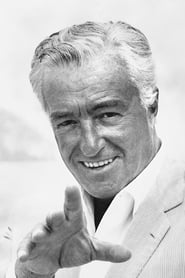
Vittorio De Sica
Director
Born: July 7, 1901 in Sora, Kingdom of Italy (now Italy) Died: November 13, 1974 Active: 1923-1974
Films
1 film
About Vittorio De Sica
Vittorio De Sica was born in 1901 in Sora, Italy, and began his career as a matinee idol in Italian silent films of the 1920s. He transitioned successfully to sound films, becoming one of Italy's most popular actors before turning to directing in 1940. De Sica emerged as a force in Italian Neorealism, directing masterpieces like 'Shoeshine' (1946), 'Bicycle Thieves' (1948), and 'Umberto D.' (1952), which focused on the struggles of ordinary people in post-war Italy. His films often featured non-professional actors and were shot on location, bringing unprecedented authenticity to cinema. Despite the critical acclaim of his neorealist works, he later directed more commercial films that achieved international success. Throughout his career, he continued acting in both his own films and those of other directors, becoming one of Italy's most beloved cultural figures until his death in 1974.
The Craft
Behind the Camera
De Sica's directing style was characterized by deep humanism and social consciousness. He pioneered the use of non-professional actors to achieve maximum authenticity, particularly in his neorealist period. His camera work was often observational and documentary-like, capturing everyday life with minimal intervention. He focused on the emotional and psychological states of his characters, using long takes and natural lighting to create intimacy. His films combined social criticism with profound empathy for the marginalized and poor.
Milestones
- Transitioned from successful actor to acclaimed director in the 1940s
- Directed 'Shoeshine' (1946), first foreign film to win honorary Academy Award
- Created 'Bicycle Thieves' (1948), considered one of the greatest films ever made
- Won multiple Academy Awards for Best Foreign Language Film
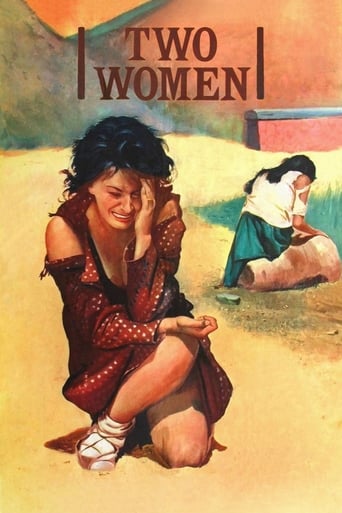
- Directed 'Two Women' (1960), earning Sophia Loren her first Oscar
- Received Honorary Academy Award in 1972 for career achievements
Best Known For
Iconic Roles
Must-See Films
Accolades
Won
- Academy Honorary Award for 'Shoeshine' (1947)
- Academy Honorary Award for 'Bicycle Thieves' (1949)
- Academy Award for Best Foreign Language Film for 'Yesterday, Today and Tomorrow' (1964)
- Academy Award for Best Foreign Language Film for 'The Garden of the Finzi-Continis' (1971)
- Academy Honorary Award for career achievements (1972)
- BAFTA Award for Best Film for 'Two Women' (1961)
- Cannes Film Festival Grand Prize of the Festival for 'Miracle in Milan' (1951)
- Venice Film Festival Golden Lion for 'Shoeshine' (1946)
Nominated
- Academy Award nomination for Best Director for 'Two Women' (1961)
- Academy Award nomination for Best Original Screenplay for 'Two Women' (1961)
- Academy Award nomination for Best Writing, Screenplay for 'Shoeshine' (1947)
- Academy Award nomination for Best Writing, Screenplay for 'Bicycle Thieves' (1949)
- Golden Globe nomination for Best Director for 'Two Women' (1961)
- Directors Guild of America Award nomination for Outstanding Directorial Achievement for 'Two Women' (1961)
Special Recognition
- Honorary Academy Award (1972)
- Golden Lion for Lifetime Achievement at Venice Film Festival (1972)
- David di Donatello Career Award (1971)
- Star on Italian Walk of Fame
- Multiple Italian National Syndicate of Film Journalists Awards
Working Relationships
Worked Often With
Studios
Why They Matter
Impact on Culture
Vittorio De Sica fundamentally changed cinema through his work in Italian Neorealism, which influenced filmmakers worldwide and established a new cinematic language focused on social reality and human dignity. His films brought international attention to post-war Italian society and humanized the struggles of the working class and poor. 'Bicycle Thieves' became a template for realist cinema globally, inspiring movements like the French New Wave and British Kitchen Sink realism. His success proved that films with social consciousness could achieve both critical acclaim and popular success. De Sica's work helped establish the Best Foreign Language Film category at the Academy Awards and paved the way for international cinema in Hollywood.
Lasting Legacy
De Sica's legacy endures through his masterpieces that continue to influence contemporary filmmakers and appear regularly on greatest films lists. His neorealist works are studied in film schools worldwide as exemplars of social cinema and authentic storytelling. He demonstrated that commercial success and artistic integrity could coexist, inspiring generations of filmmakers to pursue meaningful cinema. His films remain relevant for their universal themes of human dignity, family bonds, and social justice. The De Sica name became synonymous with Italian cinema's golden age, and his influence extends beyond directing to his contributions as an actor and cultural ambassador for Italy.
Who They Inspired
De Sica influenced countless directors including Satyajit Ray, who cited 'Bicycle Thieves' as inspiration for 'Pather Panchali'. The French New Wave directors, particularly François Truffuff, admired his humanist approach. American directors like Martin Scorsese and Francis Ford Coppola have acknowledged his influence on their work. His use of non-professional actors inspired documentarians and narrative filmmakers alike. His blend of social commentary with emotional storytelling became a model for cinema that entertains while enlightening. Contemporary directors like Ken Loach and the Dardenne brothers continue the neorealist tradition he helped establish.
Off Screen
Vittorio De Sica led a complex personal life marked by multiple relationships and marriages. He was known for his charm and charisma both on and off screen, which contributed to his romantic entanglements. Despite his professional success, he faced financial difficulties throughout his life due to his generous nature and gambling. He maintained close relationships with his children and was deeply involved in Italian cultural circles. His later years were marked by declining health, but he continued working until shortly before his death.
Education
Studied at the Accademia Nazionale d'Arte Drammatica Silvio D'Amico in Rome, though he left before graduating to pursue acting opportunities
Family
- Giuditta Rissone (1933-1954)
- Maria Mercader (1959-1974, his death)
Did You Know?
- Despite winning multiple Oscars, he never attended the Academy Awards ceremonies in person
- His film 'Bicycle Thieves' was voted the greatest film of all time by Sight & Sound magazine in 1952
- He was originally offered the role of Don Corleone in 'The Godfather' but declined due to health issues
- He continued acting in commercials well into his directorial fame to support his lavish lifestyle
- His son Christian De Sica became one of Italy's most successful comedy actors
- He was a skilled poker player and often lost significant amounts of money gambling
- He directed his wife Maria Mercader in several films despite their complicated relationship
- He was a close friend of Pope John XXIII, who was a fan of his films
- His neorealist films were initially controversial in Italy for showing poverty and social problems
- He spoke multiple languages and was considered highly sophisticated in international circles
In Their Own Words
I believe that cinema should be a mirror of society, showing life as it is, not as we wish it were.
The camera is an instrument of truth. When you point it at reality, you must be honest with what you capture.
I make films because I love people, and I want to show their struggles and their dignity.
Acting taught me how to understand people from the inside; directing taught me how to show them to the world.
Poverty is not just a condition, it's a story that needs to be told with compassion and truth.
Frequently Asked Questions
Who was Vittorio De Sica?
Italian on YTB.my. He directed acclaimed films like 'Bicycle Thieves' and 'Two Women,' winning multiple Academy Awards and establishing himself as one of cinema's most important humanist directors.
What films is Vittorio De Sica best known for?
Titles linked here include Bicycle Thieves (1948), Shoeshine (1946).
When was Vittorio De Sica born and when did he die?
Born July 7, 1901; died November 13, 1974.
What awards did Vittorio De Sica win?
De Sica won four Academy Awards: two honorary awards for 'Shoeshine' and 'Bicycle Thieves,' and two Best Foreign Language Film awards for 'Yesterday, Today and Tomorrow' and 'The Garden of the Finzi-Continis.' He also received an honorary Oscar for lifetime achievement in 1972.
What was Vittorio De Sica's directing style?
De Sica's directing style was characterized by deep humanism, social consciousness, and authenticity. He pioneered the use of non-professional actors, location shooting, and documentary-like techniques to create emotionally powerful stories about ordinary people's struggles and dignity.
How did Vittorio De Sica influence cinema?
De Sica revolutionized cinema through his neorealist films that influenced filmmakers worldwide, from the French New Wave to American independent cinema. He proved that socially conscious films could achieve both critical acclaim and popular success, paving the way for international cinema in Hollywood.
Was Vittorio De Sica also an actor?
Yes, De Sica began his career as a highly popular actor in Italian cinema, starring in romantic comedies and dramas throughout the 1920s and 1930s. He continued acting even after becoming a celebrated director, appearing in both his own films and those of other directors until his death.