Freeman F. Gosden
Actor
Born: May 5, 1899 in Richmond, Virginia, USA Died: December 10, 1982 Active: 1925-1960 Birth Name: Freeman Fisher Gosden
Films
1 film
About Freeman F. Gosden
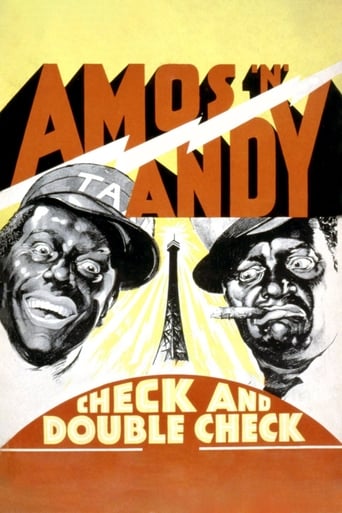
Freeman Fisher Gosden — American radio comedian and actor who, alongside Charles Correll, created and performed the radio comedy duo 'Amos 'n' Andy.' Born in Richmond, Virginia, Gosden began his career in radio in the 1920s after serving in World War I. He met Correll in Chicago and together they developed the characters of Amos Jones (played by Gosden) and Andy Brown (played by Correll), creating what would become popular and controversial radio shows in American history. Their program, which debuted in 1928 as 'Sam 'n' Henry' before evolving into 'Amos 'n' Andy,' revolutionized radio comedy with its authentic-sounding African American dialects and serialized storytelling. Gosden's portrayal of the earnest, naive Amos became a cultural touchstone, though the show later faced criticism for racial stereotyping. The duo's success led to film adaptations, including 'Check and Double Check' (1930), where they reprised their famous roles. Gosden continued in radio and television for decades, leaving an indelible mark on American entertainment history, though his legacy remains complex due to the racial controversies surrounding the show.
The Craft
On Screen
Gosden specialized in voice acting and character creation, using authentic-sounding African American dialects to portray the character Amos Jones. His performance style emphasized warmth, sincerity, and comedic timing, creating a character that audiences found endearing and relatable. On radio, he mastered the art of conveying emotion and personality solely through vocal performance, setting standards for voice acting in the medium.
Milestones
- Created 'Sam 'n' Henry' radio show (1926)
- Launched 'Amos 'n' Andy' radio program (1928)
- Starred in 'Check and Double Check' film adaptation (1930)
- Pioneered daily serialized radio comedy format
- Transitioned to television with 'The Amos 'n' Andy Show' (1951-1953)
- Inducted into Radio Hall of Fame (1977)
Best Known For
Iconic Roles
Must-See Films
Accolades
Won
- Radio Hall of Fame (1977)
- Pioneers of Broadcasting Hall of Fame (1978)
Special Recognition
- Hollywood Walk of Fame star (Radio category)
- National Association of Broadcasters Hall of Fame
- Virginia Broadcasters Hall of Fame
Working Relationships
Worked Often With
Studios
Why They Matter
Impact on Culture
Freeman Gosden's work with 'Amos 'n' Andy' fundamentally shaped American radio broadcasting and popular culture. The show pioneered the daily serialized comedy format, becoming a national phenomenon that attracted audiences of all backgrounds during the Great Depression. It revolutionized advertising in radio, with the characters endorsing products in character, a practice that became standard in the industry. The program's immense popularity demonstrated radio's power to create shared cultural experiences across America. However, the show's use of white actors in blackface and its portrayal of African American characters became increasingly controversial, leading to important discussions about racial representation in media that continue to resonate today.
Lasting Legacy
Freeman Gosden's legacy is complex and multifaceted. As a radio pioneer, he helped establish many conventions of broadcast comedy and serialized storytelling that influenced generations of entertainers. His technical innovations in voice acting and character development set standards for radio performance. The 'Amos 'n' Andy' franchise became. However, his legacy is also marked by the racial controversies surrounding the show, which led to its eventual removal from television and sparked important dialogues about representation in media. Despite these controversies, Gosden's influence on radio broadcasting and American popular culture remains undeniable.
Who They Inspired
Gosden's work influenced countless radio and television comedians who followed, including Jack Benny, Fibber McGee and Molly, and later sitcom creators. His approach to character development and serialized storytelling became templates for radio comedy. The success of 'Amos 'n' Andy' demonstrated the commercial viability of radio comedy, encouraging networks to invest in original programming. His techniques for creating distinct character voices purely through audio performance influenced voice actors in animation and radio drama for decades. The show's format also influenced the development of situation comedies on television.
Off Screen
Freeman Gosden was married three times throughout his life. His first marriage was to Marion Blake in 1923, which ended in divorce. He later married Edna Hoskins in 1931, and after her death, he married Jeanne S. In 1962. Gosden had three children from his marriages. He was known for his business acumen, carefully managing the substantial income generated by the 'Amos 'n' Andy' franchise. In his later years, he lived in Los Angeles and remained involved in various business ventures while occasionally making public appearances.
Education
Attended John Marshall High School in Richmond, Virginia; served in the United States Navy during World War I
Family
- Marion Blake (1923-1929)
- Edna Hoskins (1931-1958)
- Jeanne S. (1962-1982)
Did You Know?
- Gosden and Correll earned $1.8 million in 1930, equivalent to over $30 million today
- They were the highest-paid radio performers of their era
- The duo refused to perform 'Amos 'n' Andy' in blackface on film, instead appearing as themselves
- President Calvin Coolidge was a fan of their show
- The show was broadcast seven days a week at its peak
- Gosden voiced both Amos and the Kingfish character on radio
- The show was adapted into a comic strip that ran for over 30 years
- Their radio contract with NBC was the most expensive in radio history at the time
- They were among the first radio performers to receive star billing on the Hollywood Walk of Fame
- The show was banned in Canada for several years due to racial content
In Their Own Words
'Well, I'll be doggone!' - Amos Jones' catchphrase
'Andy, you're my best friend.' - Amos to Andy, expressing their bond
'We're just two simple folks trying to make our way in this world.' - Amos Jones
Frequently Asked Questions
Who was Freeman F. Gosden?
American radio comedian and with credits in this catalog.' He voiced the character Amos Jones and helped revolutionize radio comedy in the 1920s and 1930s.
What films is Freeman F. Gosden best known for?
Titles linked here include Check and Double Check (1930), The Amos 'n' Andy Show (TV series, 1951-1953).
When was Freeman F. Gosden born and when did he die?
Born May 5, 1899; died December 10, 1982.
What awards did Freeman F. Gosden win?
Gosden was inducted into the Radio Hall of Fame in 1977 and the Pioneers of Broadcasting Hall of Fame in 1978. He also received a star on the Hollywood Walk of Fame and was honored in the National Association of Broadcasters Hall of Fame.
What was Freeman F. Gosden's acting style?
Gosden specialized in voice acting and character creation, using authentic-sounding dialects to portray Amos Jones. His performance emphasized warmth and sincerity, mastering the art of conveying emotion solely through vocal performance on radio.
Why was 'Amos 'n' Andy' controversial?
The show was controversial because it featured white actors portraying African American characters, which civil rights organizations criticized as perpetuating harmful racial stereotypes. This led to the show's eventual removal from television in 1966.
How successful was 'Amos 'n' Andy'?
The show was enormously successful, making Gosden and Correll the highest-paid radio performers of their era. At its peak, it was broadcast daily and attracted millions of listeners, becoming.