Bramwell Fletcher
Actor
Born: February 20, 1904 in Bradford, Yorkshire, England Died: June 22, 1988 Active: 1928-1987
Films
2 films
About Bramwell Fletcher
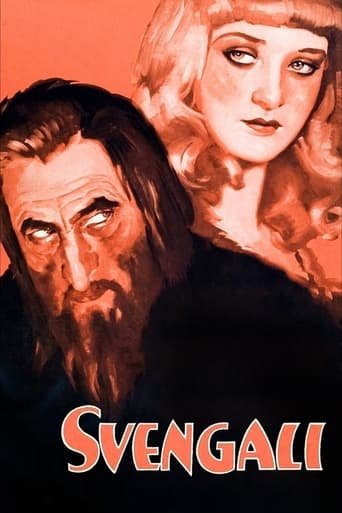
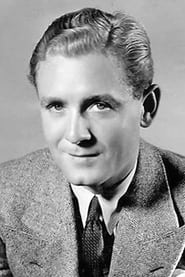
English character actor: over five decades across stage, film, and television. Born in Bradford, Yorkshire, he began his acting career on the British stage before making his way to Hollywood in the early 1930s. Fletcher made a memorable impression in the 1931 film 'Svengali' opposite John Barrymore, playing the role of Martyn, which helped establish his reputation in American cinema. Throughout the 1930s and 1940s, he appeared in numerous Hollywood films, often playing sophisticated, intellectual characters or British gentlemen. His career was interrupted by military service during World War II, after which he returned to acting with renewed vigor. Fletcher transitioned successfully to television in the 1950s and continued working until shortly before his death. His versatility allowed him to move seamlessly between classical theater, mainstream Hollywood productions, and emerging television mediums, making him a respected figure in multiple entertainment formats.
The Craft
On Screen
Fletcher was known for his refined, articulate delivery and ability to portray intellectual and sophisticated characters with authenticity. His classical training gave him a commanding stage presence that translated well to film, where he often excelled in roles requiring British dignity and wit. He possessed a distinctive voice and precise diction that made him particularly effective in the early sound era.
Milestones
- Breakthrough role in 'Svengali' (1931)
- Stage success in Broadway productions
- Military service during World War II
- Transition to television in the 1950s
- Character roles in major Hollywood films
Best Known For
Iconic Roles
Must-See Films
Accolades
Won
- Tony Award nomination for Best Featured Actor in a Play
Nominated
- Tony Award for 'The Sleeping Prince' (1955)
Special Recognition
- Commander of the Order of the British Empire (CBE) for services to drama
Working Relationships
Worked Often With
Studios
Why They Matter
Impact on Culture
Bramwell Fletcher represented the archetype of the British character actor who successfully bridged the gap between classical theater and Hollywood cinema. His work in early sound films helped demonstrate how theatrical training could be adapted to the new medium of talking pictures. Fletcher's career trajectory showed the evolving nature of an actor's career in the 20th century, moving from stage to film to television, and his ability to maintain relevance across these different media made him a model for subsequent generations of actors.
Lasting Legacy
Fletcher's legacy lies in his contributions to the golden age of Hollywood as a reliable character actor who brought authenticity and sophistication to every role. His performances helped establish the template for British actors in American cinema, particularly in roles requiring intelligence, wit, and cultural refinement. His successful transition from leading man to character actor demonstrated longevity in an industry known for its fleeting nature.
Who They Inspired
Fletcher influenced subsequent generations of British actors in Hollywood by showing how classical training could be valuable in commercial cinema. His ability to maintain his British identity while succeeding in American productions paved the way for actors like Peter Cushing, Christopher Lee, and others who would follow similar career paths.
Off Screen
Bramwell Fletcher was married twice during his lifetime. His first marriage was to actress Helen Chandler, his co-star from 'Svengali', though the marriage ended in divorce. He later married Queenie Leonard, another British actress, with whom he remained until his death. Fletcher was known for his intellectual pursuits outside of acting, including literature and history, which contributed to his authentic portrayals of educated characters.
Education
Educated at Bradford Grammar School and later trained at the Royal Academy of Dramatic Art (RADA)
Family
- Helen Chandler (1935-1940)
- Queenie Leonard (1947-1988)
Did You Know?
- — classically trained Shakespearean actor before entering films
- Served in the British Army during World War II
- His first wife Helen Chandler also co-starred with him in 'Svengali'
- Was known for his exceptional memory and could recall entire plays from memory
- Appeared in over 100 films throughout his career
- Was a founding member of the Screen Actors Guild
- Spoke multiple languages fluently, which helped in international productions
- Taught acting classes in his later years
- Was a published poet and author of short stories
- Appeared in the first televised Shakespeare production in America
In Their Own Words
The stage is my first love, but film has given me a broader canvas to paint my characters.
In the early days of sound pictures, those of us with theatrical training had an advantage - we knew how to use our voices.
Being a character actor means never being typecast, because each character is a new person to discover.
Frequently Asked Questions
Who was Bramwell Fletcher?
English character with credits in this catalog. He was particularly known for his roles as sophisticated British gentlemen in Hollywood films during the Golden Age.
What films is Bramwell Fletcher best known for?
Titles linked here include Svengali (1931), The House of Rothschild (1934).
When was Bramwell Fletcher born and when did he die?
Born February 20, 1904; died June 22, 1988.
What awards did Bramwell Fletcher win?
While Fletcher received a Tony Award nomination for Best Featured Actor in a Play for 'The Sleeping Prince' in 1955, he was also honored as a Commander of the Order of the British Empire (CBE) for his services to drama.
What was Bramwell Fletcher's acting style?
Fletcher was known for his refined, articulate delivery and classical training, which made him particularly effective in portraying sophisticated, intellectual characters. His precise diction and commanding presence made him especially valuable during the transition to sound films.
Did Bramwell Fletcher serve in the military?
Yes, Fletcher served in the British Army during World War II, which temporarily interrupted his acting career before he returned to both stage and screen work after the war.
Was Bramwell Fletcher married?
Fletcher was married twice - first to actress Helen Chandler (his 'Svengali' co-star) from 1935 to 1940, and later to actress Queenie Leonard from 1947 until his death in 1988.