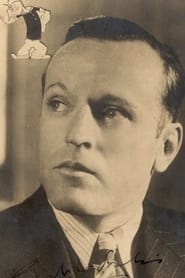
William 'Billy' Costello
Actor
Born: February 2, 1898 in New York City, New York, USA Died: July 9, 1971 Active: 1934-1934 (as Popeye voice actor) Birth Name: William Costello
Films
3 films
About William 'Billy' Costello
American comedian and voice actor who achieved lasting fame as the original voice of Popeye the Sailor in 1934. A vaudeville performer before entering animation, Costello brought his distinctive gravelly voice and comic timing to the character created by E.C. Segar. His debut as Popeye came in the first Popeye cartoon 'Popeye the Sailor' (1934), which was actually a Betty Boop cartoon that introduced the spinach-loving sailor to audiences. Costello voiced the character in several cartoons throughout 1934, establishing many of Popeye's signature vocal characteristics, including his mumbled speech patterns and famous exclamations. Despite his initial success, Costello's tenure as Popeye was remarkably brief, lasting less than a year. He was replaced by Jack Mercer later in 1934, reportedly due to becoming difficult to work with and demanding more money. After his dismissal from the Popeye role, Costello's career in entertainment largely faded, and he returned to vaudeville and other minor performing roles before his death in 1971.
The Craft
On Screen
Costello's vocal performance as Popeye was characterized by a gravelly, mumbling delivery that became instantly recognizable. He established Popeye's signature speech patterns, including the character's tendency to mutter under his breath and his famous exclamations. His comedic timing, honed through years in vaudeville, brought a lively and energetic quality to the animated character that helped establish Popeye's popularity.
Milestones
- First voice of Popeye the Sailor in 1934
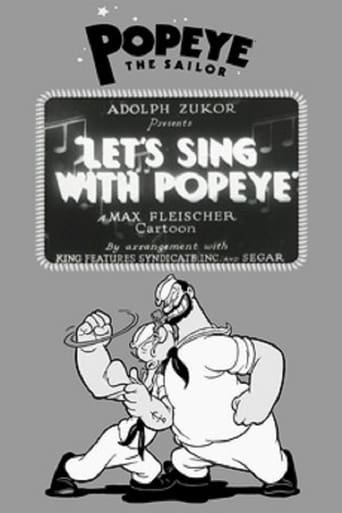
- Appeared in 'Let's Sing with Popeye' (1934)
- Voiced Popeye in the character's debut cartoon 'Popeye the Sailor' (1934)
Best Known For
Iconic Roles
Must-See Films
Accolades
Special Recognition
- Recognized as the original voice of one of animation's most iconic characters
Working Relationships
Worked Often With
Studios
Why They Matter
Impact on Culture
William Costello's contribution to animation history, though brief, was significant as he established the vocal foundation for. His interpretation of Popeye set the template that subsequent voice actors would follow, and his gravelly delivery became synonymous with the character worldwide. The success of Popeye cartoons during his tenure helped establish the Fleischer Studios as major players in the animation industry and contributed to the golden age of American animation. Costello's work demonstrated the importance of voice acting in bringing animated characters to life, helping elevate voice performers from anonymous contributors to essential elements of character creation.
Lasting Legacy
Despite his short time in the role, Billy Costello's legacy endures as the voice that first brought Popeye to life on screen. His interpretation established many of the character's vocal characteristics that would continue for decades, influencing all subsequent Popeye voice actors. Animation historians and fans recognize him as a figure in voice acting, though his name remains relatively unknown to the general public. His story serves as a reminder of how briefly some contributors to cultural icons may work, yet how lasting their impact can be. The Popeye cartoons he voiced remain historically significant as the first appearances of a character who would become a global phenomenon.
Who They Inspired
Costello's vocal performance as Popeye directly influenced Jack Mercer, who replaced him and would voice the character for decades. Mercer built upon Costello's foundation while adding his own improvisational touches and mumbling asides that became equally iconic. The gravelly, distinctive voice quality Costello established became the standard for Popeye across all media, influencing radio shows, television cartoons, and even live-action portrayals. His work helped demonstrate how voice actors could create memorable character personalities through vocal choices alone, influencing the entire field of animation voice acting.
Off Screen
Little detailed information is available about Costello's personal life beyond his professional career. He was born and raised in New York City, where he began his entertainment career in vaudeville before transitioning to voice work in animation. After his brief but notable stint as Popeye's voice, he largely disappeared from the public eye and returned to smaller entertainment venues. He spent his later years away from the spotlight, and his death in 1971 received little media attention despite his historical significance as the first Popeye.
Education
Information not available
Family
- Information not available
Did You Know?
- Costello — vaudeville comedian before becoming a voice actor
- He only voiced Popeye for about 6 months in 1934
- His Popeye debut was in a Betty Boop cartoon titled 'Popeye the Sailor'
- He was reportedly fired for becoming difficult to work with and demanding more money
- Jack Mercer, who replaced him, was initially a story man at Fleischer Studios
- Costello's Popeye voice was less mumbling than Mercer's later interpretation
- He voiced Popeye in the first sing-along cartoon 'Let's Sing with Popeye'
- After being fired as Popeye, he returned to vaudeville performing
- His brief tenure as Popeye makes him one of animation's most short-lived but influential voice actors
- The exact reasons for his dismissal remain debated among animation historians
In Their Own Words
(As Popeye) 'I yam what I yam and that's all that I yam!'
(As Popeye) 'Well, blow me down!'
(As Popeye) 'I'm strong to the finich, 'cause I eats me spinach!'
Frequently Asked Questions
Who was William 'Billy' Costello?
American comedian and voice with credits in this catalog. A former vaudeville performer, he established Popeye's distinctive vocal characteristics in the character's first animated appearances before being replaced by Jack Mercer later that year.
What films is William Costello best known for?
Titles linked here include Popeye the Sailor (1934), Let's Sing with Popeye (1934).
When was William Costello born and when did he die?
Born February 2, 1898; died July 9, 1971.
What awards did William Costello win?
William Costello did not receive any formal awards during his lifetime. His recognition came posthumously from animation historians and fans who acknowledge his role as the first voice of Popeye, though this acknowledgment remains largely within animation enthusiast circles rather than formal award institutions.
What was William Costello's acting style?
Costello's vocal acting style was characterized by a gravelly, energetic delivery that established Popeye's signature speech patterns. Drawing from his vaudeville background, he created a distinctive voice with memorable exclamations and a unique cadence that became the foundation for all subsequent Popeye voice performances.
Why was William Costello replaced as Popeye?
Costello was reportedly replaced as Popeye's voice after becoming difficult to work with and demanding higher compensation following the character's initial success. The Fleischer Studios opted to replace him with Jack Mercer, an in-house story man who could provide the voice at a lower cost and with less conflict.
What was William Costello's impact on animation history?
Despite his brief tenure, Costello's impact was significant as he established the vocal template for one of animation's most enduring characters. His performance demonstrated the importance of voice acting in character creation and influenced the entire field of animation voice acting, showing how vocal choices could define animated personalities.