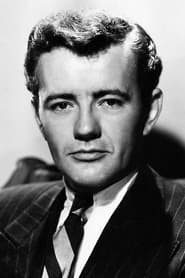
Robert Walker
Actor
Born: October 13, 1918 in Salt Lake City, Utah, USA Died: August 28, 1951 Active: 1943-1951 Birth Name: Robert Hudson Walker
Films
1 film
About Robert Walker
Robert Hudson Walker — American actor whose career, though tragically cut short, on Hollywood's Golden Age. Born in Salt Lake City, Utah, he developed an interest in acting during his teenage years and studied at the American Academy of Dramatic Arts in New York. His breakthrough came when he was discovered by MGM talent scout Billy Grady, leading to his film debut in 1943's 'Bataan'. Walker specialized in playing vulnerable, often troubled characters, showcasing remarkable emotional depth and sensitivity. His most role came as Bruno Anthony in Alfred Hitchcock's 'Strangers on a Train' (1951), where his chilling portrayal of a psychopath demonstrated his remarkable range. Despite personal struggles with alcoholism and mental health, he continued delivering compelling performances throughout his career. Walker's life came to a tragic end on August 28, 1951, when he died from an adverse reaction to a sedative administered by his psychiatrist, cutting short a promising career at just 32 years old.
The Craft
On Screen
Walker was known for his naturalistic acting style and ability to portray complex, emotionally vulnerable characters with remarkable authenticity. He brought a subtle intensity to his roles, particularly excelling at playing troubled, sensitive souls struggling with inner demons. His performances were characterized by a delicate balance between innocence and menace, allowing him to transition seamlessly from romantic leads to darker, more psychologically complex characters.
Milestones
- Film debut in 'Bataan' (1943)
- Breakthrough role in 'Since You Went Away' (1944)
- Starred in 'The Clock' (1945) opposite Judy Garland
- Iconic performance in 'Strangers on a Train' (1951)
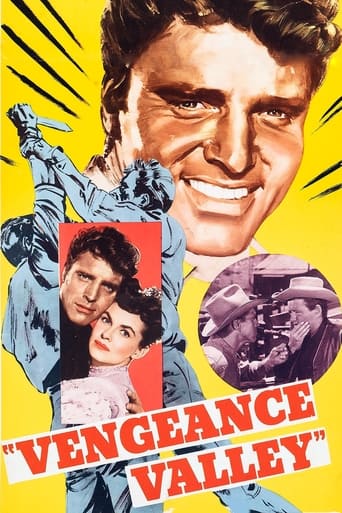
- Final film 'Vengeance Valley' (1951)
Best Known For
Iconic Roles
Must-See Films
Accolades
Nominated
- Golden Globe nomination for Best Actor for 'The Clock' (1946)
Special Recognition
- Hollywood Walk of Fame star at 6559 Hollywood Boulevard
Working Relationships
Worked Often With
Studios
Why They Matter
Impact on Culture
Robert Walker's portrayal of Bruno Anthony in 'Strangers on a Train' revolutionized the cinematic villain archetype, creating a template for the charming yet psychopathic antagonist that would influence countless films and performances. His ability to blend sophistication with menace in that role demonstrated how psychological complexity could make villains more terrifying than overt evil. Walker's naturalistic acting style helped transition Hollywood from the more theatrical performances of the 1930s to the subtle, method-influenced performances that would dominate the 1950s. His tragic death at the height of his career cemented his status as a Hollywood legend, representing the dark side of fame and the pressures of the studio system.
Lasting Legacy
Robert Walker's legacy endures through his influential performances, particularly in 'Strangers on a Train', which remains one of cinema's most celebrated thrillers. His sons, Robert Walker Jr. And Michael Walker, both entered the film industry, continuing the family's contribution to cinema. Film scholars and critics frequently cite Walker as an example of an actor whose natural talent was cut tragically short, often speculating about the heights he might have reached had he lived longer. His work continues to be studied in film schools for its psychological depth and technical precision, particularly his ability to convey complex emotions through subtle gestures and expressions.
Who They Inspired
Walker's nuanced approach to character acting influenced a generation of actors who sought to bring psychological realism to their performances. His portrayal of Bruno Anthony directly influenced actors like Anthony Perkins in 'Psycho' and Robert De Niro in 'Taxi Driver', who similarly played characters with disturbing charm beneath a veneer of normalcy. His ability to switch between romantic leads and darker roles demonstrated the range possible within the studio system, encouraging other actors to seek more complex characterizations rather than being typecast in单一 genres.
Off Screen
Walker's personal life was marked by both professional success and personal turmoil. He married actress Jennifer Jones in 1939 after meeting at the American Academy of Dramatic Arts, and they had two sons together, Robert Walker Jr. And Michael Walker. Their marriage ended in divorce in 1944, partly due to Jones's affair with producer David O. Selznick, whom she later married. Walker struggled with alcoholism and mental health issues throughout his adult life, which affected both his career and personal relationships. Despite these challenges, he remained devoted to his children and maintained a close relationship with them until his death.
Education
American Academy of Dramatic Arts, New York City
Family
- Jennifer Jones (1939-1944)
- Barbara Ford (1948-1949)
- Hannah Hart (1950-1951)
Did You Know?
- Was discovered by MGM talent scout Billy Grady while performing in a Broadway play
- His son Robert Walker Jr. Appeared in 'Easy Rider' (1969)
- Was originally considered for the role of Tom Ripley in 'Purple Noon' before his death
- His performance in 'Strangers on a Train' was heavily influenced by his own struggles with mental health
- Was close friends with director Vincente Minnelli, who directed him in 'The Clock'
- His death certificate listed 'acute barbiturate poisoning' as the cause of death
- Was a talented musician who could play piano and guitar
- His first wife Jennifer Jones won an Oscar while they were married
- Appeared in three films released posthumously in 1952
- Was known for his intense preparation method for roles, often staying in character between takes
In Their Own Words
I don't want to kill you, Mr. Guy. I want you to kill my father. - as Bruno Anthony in 'Strangers on a Train'
Acting is not about being someone different. It's finding the similarity in what is apparently different, then finding myself in there.
I've always been attracted to characters who are slightly off-center, who have something dark or mysterious about them.
Frequently Asked Questions
Who was Robert Walker?
American with credits in this catalog. Despite a career lasting only eight years, he delivered memorable performances in films like 'Since You Went Away' and 'The Clock' before his tragic death at age 32.
What films is Robert Walker best known for?
Titles linked here include Strangers on a Train (1951), Since You Went Away (1944).
When was Robert Walker born and when did he die?
Born October 13, 1918; died August 28, 1951.
What awards did Robert Walker win?
While Robert Walker did not win any major awards during his lifetime, he received a Golden Globe nomination for Best Actor for 'The Clock' (1946) and was posthumously honored with a star on the Hollywood Walk of Fame at 6559 Hollywood Boulevard.
What was Robert Walker's acting style?
Walker was known for his naturalistic, emotionally nuanced performances, particularly excelling at playing vulnerable, troubled characters. He brought psychological depth and authenticity to his roles, seamlessly transitioning from romantic leads to darker, complex characters with remarkable subtlety and intensity.
Was Robert Walker married to Jennifer Jones?
Yes, Robert Walker was married to actress Jennifer Jones from 1939 to 1944. They met at drama school and had two sons together, but their marriage ended in divorce when Jones began an affair with producer David O. Selznick.
How did Robert Walker die?
Robert Walker died from an acute reaction to a sedative administered by his psychiatrist. The official cause was listed as 'acute barbiturate poisoning,' and his death was ruled accidental, though it highlighted the dangers of psychiatric medical practices of the era.