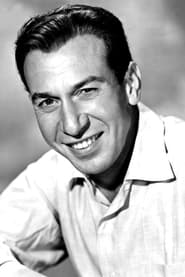
José Ferrer
Actor
Born: January 8, 1912 in Santurce, Puerto Rico Died: January 26, 1992 Active: 1935-1992 Birth Name: José Vicente Ferrer de Otero y Cintrón
Films
1 film
About José Ferrer
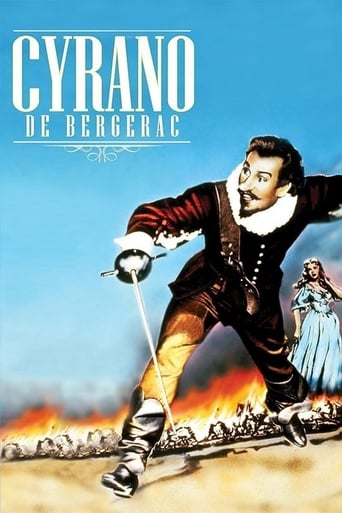
Puerto Rican actor and director who broke barriers as the first Hispanic actor to win an Academy Award. Born in Santurce, Puerto Rico in 1912, he developed a passion for theater during his education at Princeton University, where he initially studied architecture before switching to drama. He began his career on Broadway in the 1930s, quickly establishing himself as a talented character actor with a commanding presence and distinctive baritone voice. His breakthrough came with his portrayal of Cyrano de Bergerac, first on Broadway in 1946, which he later adapted for film in 1950, earning him the Academy Award for Best Actor. Throughout his career, Ferrer successfully transitioned between stage, film, and television, also taking on directing roles with films like 'The Shrike' and 'I Never Sang for My Father.' He continued acting into his later years, appearing in notable films like 'Lawrence of Arabia' (1962) and 'The Caine Mutiny' (1954), while maintaining his connection to his Puerto Rican heritage and mentoring younger Hispanic performers in Hollywood.
The Craft
On Screen
Ferrer was known for his commanding stage presence and distinctive baritone voice, which he effectively used in both dramatic and comedic roles. His classical training enabled him to excel in Shakespearean and period pieces, while his versatility allowed him to adapt to contemporary characters. Ferrer's performances were characterized by their intellectual depth and emotional authenticity, often bringing a sophisticated, theatrical quality to his film roles. He had a particular talent for portraying complex, tortured characters with psychological depth, using his voice and physical presence to create memorable, multi-dimensional performances.
Milestones
- First Hispanic actor to win an Academy Award
- Tony Award for Cyrano de Bergerac (1947)
- Academy Award for Best Actor for Cyrano de Bergerac (1950)
- Directed and starred in multiple films
- Successful Broadway career spanning decades
- Appeared in over 100 Broadway productions
- Father of actors Miguel and Rafael Ferrer
Best Known For
Iconic Roles
Must-See Films
Accolades
Won
- Academy Award for Best Actor (1950)
- Tony Award for Best Actor (1947)
- Golden Globe for Best Actor (1950)
- National Board of Review Award for Best Actor (1950)
- Donaldson Award (1947)
- New York Film Critics Circle Award (1950)
Nominated
- Academy Award nomination for Best Actor (1949)
- Academy Award nomination for Best Supporting Actor (1949)
- Tony Award nominations for multiple Broadway productions
- Golden Globe nominations for various films
- BAFTA nomination for Best Foreign Actor (1953)
- Emmy nomination for Outstanding Single Performance (1959)
Special Recognition
- Hollywood Walk of Fame star
- National Medal of Arts (1985)
- Hispanic Heritage Awards recipient
- Princeton University Hall of Fame
- Puerto Rico's National Hall of Fame
- José Ferrer Awards for Excellence in Hispanic Arts established in his honor
Working Relationships
Worked Often With
Studios
Why They Matter
Impact on Culture
José Ferrer's Academy Award win in 1950 was a groundbreaking moment for Hispanic representation in Hollywood, opening doors for future generations of Latino performers. His success challenged stereotypes and demonstrated that Hispanic actors could play complex, sophisticated roles beyond ethnic caricatures. Ferrer's bilingual abilities and cultural background helped bridge American and Latin American cinema markets during a period of growing international film exchange. He became a symbol of possibility for Hispanic performers, proving that talent and dedication could overcome the barriers of prejudice and typecasting in Golden Age Hollywood.
Lasting Legacy
Ferrer's legacy extends beyond his performances to his role as a cultural pioneer who broke barriers in Hollywood. His sons Miguel and Rafael Ferrer continued the family's acting tradition, with Miguel becoming a well-known character actor in film and television. The José Ferrer Awards for Excellence in Hispanic Arts were established in his honor, recognizing his contributions to both American culture and Hispanic representation in the arts. Ferrer is remembered not only for his artistic achievements but also for paving the way for greater diversity in American entertainment.
Who They Inspired
Ferrer influenced generations of Hispanic actors by proving that Latino performers could achieve mainstream success without abandoning their cultural identity. His classical training and theatrical approach to film acting influenced the method acting movement that gained prominence in the 1950s. Many actors, particularly those of Hispanic descent, have cited Ferrer as an inspiration for pursuing careers in Hollywood. His ability to seamlessly transition between leading roles and character parts set a precedent for versatility that continues to influence actors today.
Off Screen
Ferrer was married five times and had six children, with his personal life often attracting media attention due to his high-profile relationships. Despite his busy career, he maintained strong connections to his Puerto Rican heritage throughout his life and was fluent in multiple languages including English, Spanish, French, and Italian. He was known for his intellectual pursuits and cultural sophistication, often engaging in literature and the arts beyond his acting career. Ferrer was also a licensed pilot and enjoyed flying in his leisure time.
Education
Princeton University (graduated 1934), studied architecture before switching to drama, also studied at the Actors Studio under Lee Strasberg
Family
- Uta Hagen (1938-1948)
- Phyllis Hill (1948-1953)
- Rosemary Clooney (1953-1961)
- Stella Magee (1964-1977)
- Susan Kohner (1977-1992)
Did You Know?
- First Hispanic actor to win an Academy Award
- Won both a Tony and Oscar for the same role (Cyrano de Bergerac)
- Father of actor Miguel Ferrer
- Ex-son-in-law of Rosemary Clooney
- Fluent in English, Spanish, French, and Italian
- Originally studied architecture at Princeton
- Performed in over 100 Broadway productions
- Was a licensed pilot
- Appeared in the original Broadway production of 'The Shrike'
- Was nominated for four Academy Awards during his career
- His cousin was Puerto Rican politician Rafael Hernández Colón
- Served in the Army Air Forces during World War II
In Their Own Words
I don't think there's any such thing as an actor who is not a character actor.
The stage is my first love, but the movies pay better.
Success is not the key to happiness. Happiness is the key to success. If you love what you are doing, you will be successful.
I've always been more interested in being an actor than a star.
Cyrano is the most rewarding role I've ever played. It has everything - poetry, comedy, tragedy, and a character with enormous depth and complexity.
Frequently Asked Questions
Who was José Ferrer?
Puerto Rican actor and on YTB.my. He was known for his distinctive voice, classical training, and versatility across stage, film, and television, with a career spanning over five decades from the 1930s to the 1990s.
What films is José Ferrer best known for?
Titles linked here include Cyrano de Bergerac (1950), Moulin Rouge (1952).
When was José Ferrer born and when did he die?
Born January 8, 1912; died January 26, 1992.
What awards did José Ferrer win?
Ferrer won the Academy Award for Best Actor for 'Cyrano de Bergerac' (1950), making him the first Hispanic actor to receive this honor. He also won a Tony Award for the same role on Broadway, along with a Golden Globe, National Board of Review Award, and received the National Medal of Arts in 1985.
What was José Ferrer's acting style?
Ferrer's acting style was characterized by his commanding stage presence, distinctive baritone voice, and classical training. He brought theatrical sophistication to his film roles, excelling in complex, intellectual characters with psychological depth. His performances combined emotional authenticity with refined technique, making him particularly effective in period pieces and dramatic roles.
Did José Ferrer have children who became actors?
Yes, two of his sons became successful actors. Miguel Ferrer (1951-2017) was a well-known character actor who appeared in films like 'RoboCop' and TV shows like 'NCIS: Los Angeles.' Rafael Ferrer also pursued acting and voice work, continuing the family's entertainment legacy.
How did José Ferrer impact Hispanic representation in Hollywood?
Ferrer broke major barriers as the first Hispanic actor to win an Academy Award, demonstrating that Latino performers could achieve mainstream success in leading roles. His success challenged stereotypes and opened doors for future generations of Hispanic actors, making him a cultural pioneer who helped diversify Hollywood during the Golden Age of cinema.