Films
1 film
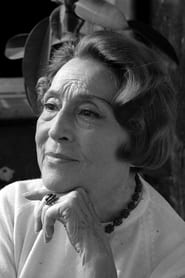
About Margit Makay
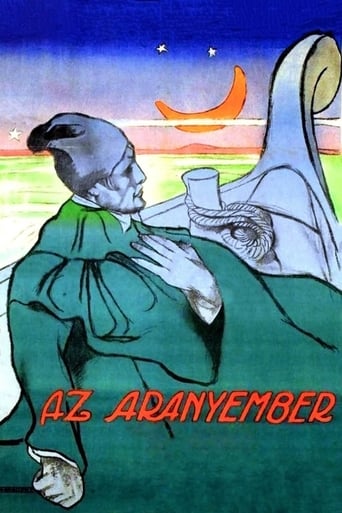
This archive lists one role for Margit Makay: The Man of Gold (1919). Primarily known for her role in the 1919 film 'The Man of Gold' (Az arany ember). Her brief film only the year 1919, suggesting she may have been a stage actress who made a temporary foray into cinema or perhaps had a very short-lived film career. The film she appeared in was based on a popular novel by renowned Hungarian author Mór Jókai, which was adapted multiple times for both screen and stage. Like many actors from this period of Hungarian cinema, detailed records of her life and career are scarce, as much of the documentation from early Eastern European film industries has been lost or poorly preserved. Her appearance in this significant literary adaptation suggests she was likely part of Hungary's burgeoning film industry during the brief period of artistic freedom following World War I, before the political upheavals that would dramatically affect the country's cultural landscape.
The Craft
Milestones
- Appeared in 'The Man of Gold' (1919), a significant Hungarian literary adaptation
Best Known For
Iconic Roles
Must-See Films
Working Relationships
Studios
Why They Matter
Impact on Culture
Margit Makay represents the countless actors who contributed to the early development of national cinemas during the silent era, particularly in Hungary, which had a thriving film industry in the 1910s. Her participation in the adaptation of Mór Jókai's work places her within the important tradition of bringing Hungarian literature to the screen, helping to establish a cultural identity for Hungarian cinema. While her individual impact may have been modest, she was part of a generation of artists who helped establish film as a legitimate art form and cultural medium in Hungary during a turbulent period of the nation's history.
Lasting Legacy
Margit Makay's legacy is primarily preserved through her appearance in the 1919 adaptation of 'The Man of Gold,' one of the many film versions of Jókai's beloved novel. She represents the often-overlooked contributors to early cinema, particularly women actors from Central and Eastern Europe whose careers were frequently brief and poorly documented. Her story illustrates the challenges of film preservation and historical documentation for early 20th century cinema outside the major Western film centers, where many talented performers' contributions have been largely lost to time.
Who They Inspired
Given the brevity of her documented film career and the limited surviving information about her work, it's difficult to trace specific influences that Margit Makay may have had on other performers. However, like all actors of her generation, she contributed to the development of film acting techniques during the transition from theatrical to cinematic performance styles in the silent era.
Off Screen
Very little is documented about Margit Makay's personal life, which was common for supporting actors from the silent era, particularly in Eastern European cinema where records were not as meticulously maintained as in Hollywood.
Did You Know?
- Appeared in only one known film during her entire documented career
- Her film 'The Man of Gold' was based on a novel by one of Hungary's most famous authors, Mór Jókai
- The novel she adapted has been filmed multiple times throughout Hungarian cinema history
- Her career coincided with a turbulent period in Hungarian history following World War I
- Like many Hungarian actors of her era, she may have been primarily a stage actress who briefly ventured into film
- The Hungarian film industry of 1919 was
- Silent era actors from Eastern Europe are often poorly documented compared to their Western counterparts
Frequently Asked Questions
Who was Margit Makay?
Hungarian actress from the silent film era, known primarily for her appearance in the 1919 film 'The Man of Gold.' Her documented film active years covered only a single year, making her one of the many briefly active performers from early Hungarian cinema.
What films is Margit Makay best known for?
Titles linked here include The Man of Gold (1919).
When was Margit Makay born and when did she die?
Unfortunately, specific birth and death dates for Margit Makay are not documented in available historical records, which is common for many supporting actors from the silent era, particularly in Eastern European cinema.
What awards did Margit Makay win?
There are no documented awards or nominations for Margit Makay, which was typical for most actors during the early silent film period, especially outside the major Western film industries where award systems were not yet established.
What was Margit Makay's acting style?
Due to the limited surviving documentation and the loss of most films from this period of Hungarian cinema, specific details about Margit Makay's acting style are not available. Like most silent era actors, she would have used exaggerated gestures and facial expressions to convey emotion.
Why is so little known about Margit Makay?
The scarcity of information about Margit Makay reflects the broader challenges of documenting early cinema history, particularly from Eastern Europe. Many records were lost during the political upheavals of the 20th century, and supporting actors from the silent era were often poorly documented even at the time.