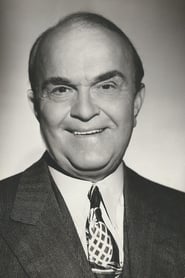
Victor Moore
Actor
- Born
- December 29, 1876, New York City, New York, USA
- Died
- July 24, 1962
- Active
- 1917-1959
Films 1
About Victor Moore
Victor Moore was a stage and screen actor best remembered as one of the great comic character performers of American entertainment, with a career that bridged Broadway, silent films, early talkies, and later Hollywood character roles. He was born in New York City and began performing in the theatrical world long before film became his primary public medium, building a reputation for a dry, self-effacing comic persona and an often bewildered, good-natured screen presence. In motion pictures he appeared in both silent and sound productions, and although he was not a leading man in the conventional sense, he became highly recognizable for playing nervous, exasperated, or eccentrically charming men who often served as the comic center of ensemble pictures. His screen career included notable work in classic films such as The Wrong Mr. Fox in the silent era and later major studio productions like It Happened on Fifth Avenue and Mr. Scoutmaster, which helped cement his image with audiences across multiple generations. Moore was also closely associated with Broadway, where he enjoyed his greatest early success and from which many of his screen roles and comic timing instincts clearly derived. He remained active well into the sound era, demonstrating a durable ability to adapt his style from stage to screen and from silent farce to dialogue-driven comedy. Victor Moore died in Hollywood, leaving behind a legacy as one of the most distinctive comic character actors of early American cinema.
More about Victor Moore
On screen
Victor Moore’s acting style was rooted in stage comedy, emphasizing precise timing, underplayed reactions, and a genial, slightly flustered demeanor that made him especially effective in farce and domestic comedy. He often played men who seemed overwhelmed by events, and his humor came from facial expression, line reading, and the contrast between his mild exterior and the chaos around him. In silent films, he relied on clear physical business and expressive reactions rather than broad pantomime, which made his performances feel natural and character-based. In talkies, his voice and timing further enhanced his appeal, allowing him to deliver wit with an easy, conversational rhythm.
In film history
Victor Moore helped define the American comic character actor as a figure who could move smoothly between stage and screen while remaining instantly recognizable to audiences. His performances represented a refined form of comic acting that depended less on slapstick than on timing, understatement, and the ability to turn everyday embarrassment into humor. Because he worked in both silent and sound cinema, he serves as an important example of performers whose careers successfully crossed the technological divide that ended many stage-born film careers. His longevity in popular entertainment made him part of the connective tissue between nineteenth-century theatrical comedy and mid-century Hollywood character performance.
Later reputation
Moore’s lasting legacy lies in his mastery of the dependable supporting role: he was the kind of actor who could anchor a comic scene, enrich an ensemble, and give a film a humane, recognizable center. Film historians value him as a bridge figure between Broadway comedy and classical Hollywood character acting, especially because his career demonstrates how stage-trained performers helped shape the early vocabulary of screen comedy. Even when not playing the lead, he left a memorable impression through timing and personality, qualities that made him a favorite in light comedies and family pictures. Today he is remembered as one of the distinctive comic faces of classic American cinema, especially for viewers interested in the evolution of character acting from the silent era into the golden age.
Influence
Victor Moore influenced later character actors by modeling a style of comedy built on restraint, rhythm, and personality rather than oversized physical gags. His work showed that supporting players could be central to audience enjoyment and could create durable screen identities without relying on star billing. Performers in later Hollywood comedies and ensemble films inherited this approach, particularly the idea that an expressive reaction or a perfectly timed pause can be as funny as a punchline. His career also demonstrated the value of stage training for screen comedy, especially in films where verbal wit and character nuance became increasingly important.
Off screen
Victor Moore was strongly associated with the New York theatrical world and carried much of that stage professionalism into his screen career. Public records and contemporary accounts place him among the long-working entertainers of his era who maintained a career built more on reputation, reliability, and audience affection than on headline-making celebrity. He was married, though detailed public biographical information about his private domestic life is comparatively limited in standard film reference sources. He spent his final years in California after a long career that had begun in the theater and extended into Hollywood character work.
Education
No formal educational background is prominently documented in standard classic-film reference sources; his development appears to have been largely professional and theatrical, shaped by stage experience in New York.
Credits
- Established himself as a celebrated Broadway comedian before becoming a familiar face in motion pictures
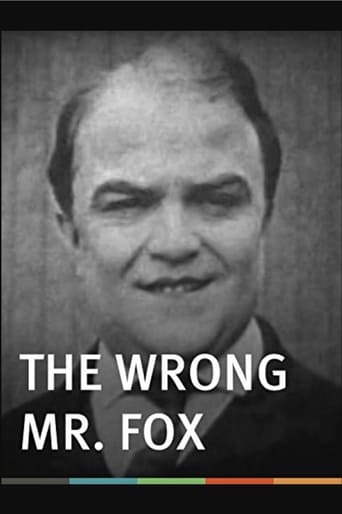
- Appeared in the silent film The Wrong Mr. Fox (1917), part of his earliest screen work
- Built a long and successful screen career in both silent and sound films as a comic character actor
- Became widely remembered for later studio-era favorites such as It Happened on Fifth Avenue and Mr. Scoutmaster
- Demonstrated unusual longevity by remaining a recognizable screen personality across several decades of American film history
Roles
- Comic bewildered everyman
- Nervous, well-meaning husband or suitor
- Eccentric middle-aged gentleman caught in domestic or social confusion
- The exasperated observer of larger comic chaos
Films
- The Wrong Mr. Fox (1917)
- It Happened on Fifth Avenue (1947)
- Mr. Scoutmaster (1953)
- On Borrowed Time (1939)
- The Bishop's Wife (1947)
- Girl Crazy (1943)
Collaborators
- Broadway and film comedy ensembles of the early and mid-20th century
- Hollywood producers and directors specializing in light comedy and character parts
- Actors in ensemble comedies and family dramas from the 1930s and 1940s
Studios
- Paramount Pictures
- Metro-Goldwyn-Mayer
- Warner Bros.
- RKO Radio Pictures
Family
- Harriet Sherwood (dates not consistently documented in standard film references)
Notes
- He was born in New York City and was closely tied to the Broadway tradition before becoming a film performer.
- His screen career began in the silent era, including The Wrong Mr. Fox in 1917.
- He became especially admired for playing comic everymen who looked overwhelmed but remained sympathetic.
- Moore successfully transitioned from silent films to talkies, which was not true of many actors from his generation.
- He was a familiar supporting player in studio-era comedies and family dramas, often bringing warmth to his roles.
- He is remembered more as a character actor and comic specialist than as a conventional leading man.
- His career spanned well over four decades in entertainment when stage work is included.
- He remained active into the 1950s, unusually long-lived for a performer whose roots were in the nineteenth-century stage tradition.
Questions
Who was Victor Moore?
Victor Moore was an American actor best known as a comic character performer who worked in Broadway theater, silent films, and early sound cinema. He became admired for his mild, bemused comic persona and for bringing stage-honed timing to Hollywood films.
What films is Victor Moore best known for?
He is remembered for The Wrong Mr. Fox (1917) from his early silent work and for later favorites such as It Happened on Fifth Avenue, Mr. Scoutmaster, On Borrowed Time, The Bishop's Wife, and Girl Crazy. These films show the range of his comic and character-based screen persona.
When was Victor Moore born and when did he die?
Victor Moore was born on December 29, 1876, in New York City, New York, USA. He died on July 24, 1962, in Hollywood, California, USA.
What awards did Victor Moore win?
Standard classic-film reference sources do not prominently list major competitive awards for Victor Moore. His reputation rests instead on his long career, his Broadway success, and his enduring popularity as a screen comedian.
What was Victor Moore's acting style?
Moore’s style was based on understatement, precise timing, and a gently exasperated comic presence. He often portrayed well-meaning men caught in confusion, using expression and timing rather than broad slapstick to generate humor.
Why is Victor Moore important in film history?
He is important as a bridge between Broadway comedy and classical Hollywood character acting. His career also illustrates how a stage-trained performer could survive the transition from silent films to talkies and remain effective for decades.