Scotty Beckett
Actor
Born: October 29, 1929 in Oakland, California, USA Died: May 10, 1968 Active: 1933-1958 Birth Name: Scott Hastings Beckett
Films
1 film
About Scotty Beckett
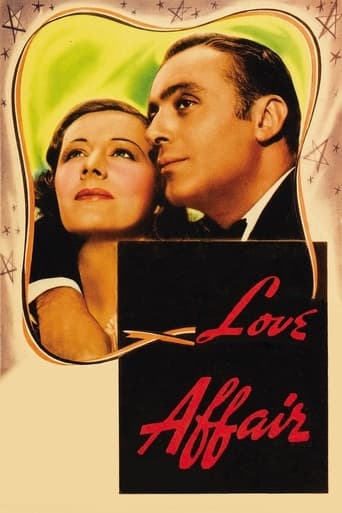
Scotty Beckett was one of Hollywood's most prolific child actors during the Golden Age, beginning his career at just three years old. He first gained nationwide recognition as a member of the 'Our Gang' comedy series from 1934 to 1935, where his charming presence and natural comedic timing made him a fan favorite. After leaving the series, Beckett successfully transitioned to feature films, appearing in over 100 movies throughout the 1930s and 1940s, including notable roles in 'Love Affair' (1939) alongside Irene Dunne and Charles Boyer. As he entered his teenage years, he continued acting but struggled to find roles as an adult, leading to a gradual decline in his career. Beckett's personal life became increasingly troubled in the 1950s, marked by legal issues and substance abuse problems that ultimately overshadowed his early success. Despite these challenges, he remained active in television through the late 1950s, appearing in popular series like 'The Adventures of Superman' and 'The Lone Ranger'. His tragic death at age 38 from an accidental barbiturate overdose marked the end of a life that began with such promise in Hollywood's golden era.
The Craft
On Screen
Naturalistic and charming with exceptional comedic timing, Beckett possessed an innate ability to connect with audiences through his expressive face and authentic emotional delivery. His child acting style was notably subtle compared to many contemporaries, avoiding the exaggerated mannerisms common in the era. As he matured, he developed a more dramatic range, though he was often typecast in wholesome, all-American roles that limited his artistic growth.
Milestones
- Joined Our Gang at age 4 (1934)
- Appeared in Love Affair (1939)
- Starred in The Boy and the Pirates (1960)
- Appeared in over 100 films and TV shows
- Transitioned from child to teen actor successfully
Best Known For
Iconic Roles
Must-See Films
Accolades
Nominated
- Young Artist Award (posthumous recognition)
Special Recognition
- Hollywood Walk of Fame star (unrealized due to early death)
- Our Gang Hall of Fame (inducted posthumously)
Working Relationships
Worked Often With
Studios
Why They Matter
Impact on Culture
Scotty Beckett's contribution to American cinema, particularly through his work in the Our Gang series, helped define the archetype of the precocious yet relatable child actor in Hollywood. His performances in the 1930s and 1940s set a standard for naturalistic child acting that influenced generations of young performers. The Our Gang shorts he appeared in remain cultural touchstones, continuously broadcast and referenced in popular culture, ensuring his legacy endures. His role in 'Love Affair' placed him alongside Hollywood's elite during one of cinema's most celebrated periods, demonstrating the respect child actors could command in Golden Age Hollywood.
Lasting Legacy
Beckett's legacy is a poignant reminder of both the promise and perils of child stardom in Hollywood's Golden Age. While his early work in Our Gang continues to entertain audiences worldwide, his later struggles highlight the dark side of fame that many child actors face. Film historians often cite him as an example of the challenges child performers encounter when transitioning to adult roles. His story has become a cautionary tale in Hollywood, frequently referenced in discussions about child actor welfare and the need for better support systems in the entertainment industry.
Who They Inspired
Beckett influenced subsequent generations of child actors through his subtle, naturalistic acting style that contrasted with the more theatrical performances common in his era. His ability to convey genuine emotion without exaggeration became a model for child performers in later decades. Directors and casting agents often referenced his work when seeking authentic child performances. His career trajectory also influenced how studios began to approach the development of child stars, leading to more structured support systems for young performers in later years.
Off Screen
Beckett's personal life was marked by significant turmoil despite his early success. He married three times: first to tennis champion Beverly Baker in 1950, then to Margaret Sabo in 1957, and finally to Sunny Vickers in 1960. His marriages were plagued by his struggles with alcoholism and prescription drug abuse. He had two children, Scotty Jr. And Holly. His later years were characterized by legal troubles, including arrests for drunk driving and assault, as well as multiple suicide attempts.
Education
Attended Los Angeles High School, but his acting career limited traditional education. Later attended professional acting schools to transition from child to adult roles.
Family
- Beverly Baker (1950-1951)
- Margaret Sabo (1957-1959)
- Sunny Vickers (1960-1968)
Did You Know?
- Was
- Spoke his first lines on film at age 3 in 'Mickey's Race' (1934)
- His mother was a former silent film actress who managed his early career
- Was considered for the role of Mickey Rooney's younger brother in the Andy Hardy series
- Appeared in the pilot episode of 'The Adventures of Superman' TV series
- His salary at the height of his child career was $250 per week (equivalent to over $5,000 today)
- Was a skilled tennis player and even considered a professional career before choosing acting
- His final film appearance was in 'The Boy and the Pirates' (1960)
- Died in the same apartment building where his friend and fellow Our Gang member Carl 'Alfalfa' Switzer had died years earlier
- His death certificate listed his occupation as 'actor' despite being largely inactive in his final years
In Their Own Words
Being a kid actor was great, but growing up in front of everybody is tough
I never really chose acting - it chose me when I was too young to say no
The hardest part wasn't learning lines, it was trying to be a normal kid when everyone knew who I was
Our Gang was like having twenty brothers and sisters - we fought, we played, we grew up together on camera
Frequently Asked Questions
Who was Scotty Beckett?
Prominent American child with credits in this catalog. He appeared in over 100 films and television shows throughout his career, making him one of Hollywood's most prolific young performers during the Golden Age.
What films is Scotty Beckett best known for?
Titles linked here include Love Affair (1939), Our Gang shorts (1934-1935).
When was Scotty Beckett born and when did he die?
Born October 29, 1929; died May 10, 1968.
What awards did Scotty Beckett win?
While Beckett did not receive major awards during his lifetime, he has been posthumously recognized by the Young Artist Association and inducted into the Our Gang Hall of Fame. His contributions to classic cinema continue to be celebrated by film historians and preservation societies.
What was Scotty Beckett's acting style?
Beckett was known for his naturalistic and understated acting style, which was unusual for child actors of his era. He avoided exaggerated mannerisms and instead delivered subtle, emotionally authentic performances that resonated with audiences.
Why did Scotty Beckett's career decline?
Beckett's career declined primarily due to the difficulty of transitioning from child to adult roles, compounded by increasing personal problems including alcoholism, drug abuse, and legal troubles that made him difficult to cast in Hollywood's studio system.
What was Scotty Beckett's relationship with other Our Gang members?
Beckett formed close bonds with his Our Gang co-stars, particularly Spanky McFarland and Alfalfa Switzer. The cast maintained friendships beyond their time on the show, though Beckett's later troubles strained some of these relationships.