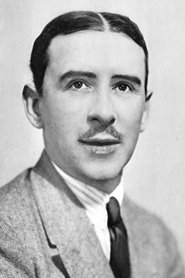
Jimmie Adams
Actor
- Active
- 1919-1919
Films 1
About Jimmie Adams
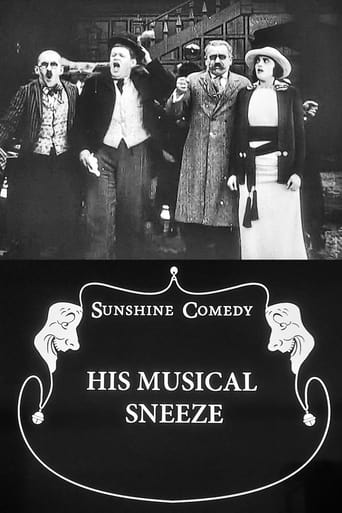
Jimmie Adams was a silent-era comedy actor who appears in surviving film records chiefly from the late 1910s, including the 1919 short His Musical Sneeze. He worked during the period when short-form slapstick and novelty comedies were a major part of American cinema, and his credited screen activity suggests he was associated with the fast-paced one-reel and two-reel entertainment that flourished in the years immediately after World War I. Because he is a very obscure performer and documentation is sparse, the surviving record preserves only a narrow view of his career, but it is enough to place him among the many working comedians and character players who helped define the texture of silent film exhibition. His name appears in cast listings rather than in the ranks of the era's biggest stars, which suggests he was likely a supporting performer or specialty comedian rather than a marquee headliner. No reliable evidence has surfaced in standard classic-film references to confirm a long feature-film career, major studio stardom, or later transition into sound films. As with many short-subject performers of the silent period, his historical significance lies less in celebrity than in the broader comedy culture of the time, where dozens of dependable performers helped sustain the popularity of gag-driven motion pictures. His surviving filmography remains an important fragment of early American screen comedy history, even though the details of his personal life and later years are not well documented.
More about Jimmie Adams
On screen
Based on the type of film in which he is documented, his screen work would have depended on silent-comedy performance conventions such as exaggerated physical timing, expressive facial reaction, and visual gag interplay. No detailed reviews or surviving descriptive criticism have been located that would allow a precise characterization of his individual technique. His credited work suggests he was part of the comic ensemble style typical of the era, where performers emphasized clear visual storytelling over dialogue.
In film history
Jimmie Adams's cultural impact is best understood in the context of the silent-film comedy ecosystem rather than through individual stardom. Performers like him filled out the casts of countless shorts that were crucial to movie programs in the 1910s, helping establish the rhythm, visual grammar, and recurring comic situations that audiences came to expect from screen comedy. Even when their names did not become widely famous, such actors contributed to the industrial reliability of the silent era, giving producers a stable pool of physical comedians and character types. His presence in a 1919 comedy short places him within a formative period when American film humor was becoming a recognizable national export and an influential model for later screen comedy.
Later reputation
His legacy is primarily archival and historical: he is part of the documented roster of silent-era players whose credits help scholars reconstruct the workings of early film production and exhibition. Because he is not a well-documented star, his importance lies in representing the thousands of working performers whose labor shaped the comedy shorts that were central to movie culture before feature-length comedies fully dominated. For historians, names like Jimmie Adams are valuable markers of industrial history, exhibitional practice, and the often-anonymous personnel who sustained early Hollywood. His surviving credit preserves a small but meaningful trace of the breadth of talent involved in the silent period.
Influence
There is no documented evidence that Jimmie Adams exerted a broad, named influence on major stars or directors. Any influence he had would have been indirect, through participation in the collective performance style of silent comedy that later generations studied and adapted. The broader tradition in which he worked influenced countless comedians and filmmakers by demonstrating how gesture, timing, and visual escalation could carry an entire scene without spoken dialogue. In that sense, his work belongs to the foundational performance culture that shaped later screen acting conventions.
Off screen
No reliable biographical records have been confirmed in standard reference sources that would allow a secure account of Jimmie Adams's personal life, family background, marriages, or later career. He appears to be one of the many silent-era performers whose public footprint survives primarily through film credits rather than through extensive newspaper coverage or studio publicity. As a result, details such as education, residence, relationships, and post-film life remain undocumented in the available record. Any fuller account would require archival research in trade papers, census records, or studio files.
Credits
- Appeared in the 1919 silent comedy short His Musical Sneeze
- Worked in the silent-era short-subject comedy tradition that dominated much of early screen entertainment
- Represents the class of lesser-documented comedians and supporting players who populated American film shorts in the late 1910s
Roles
- A performer in His Musical Sneeze (1919)
Films
- His Musical Sneeze (1919)
Notes
- His documented filmography is extremely brief in surviving reference material, with His Musical Sneeze (1919) being the key credited title.
- He worked during the height of silent short comedy, when one-reel and two-reel films were a standard part of theatrical programs.
- Because of the scarcity of records, he is an example of how many early film performers have become nearly invisible outside cast listings.
- His name should not be confused with other similarly named entertainers from later eras; the silent-film credit is the relevant identification point.
- The surviving evidence suggests he was active in 1919, right at the end of the silent era's formative decade of slapstick experimentation.
- His career is a reminder that early Hollywood depended on large numbers of lesser-known actors whose work rarely received lasting publicity.
- No confirmed studio-star biography, fan-magazine profile, or major award history has been located for him.
- His credited appearance helps researchers map the ensemble casts that supported early comedy production
Questions
Who was Jimmie Adams?
Jimmie Adams was a silent-era actor known from surviving film credits, including the 1919 comedy short His Musical Sneeze. He appears to have been a minor or supporting performer in early American cinema rather than a major star.
What films is Jimmie Adams best known for?
He is best known for His Musical Sneeze (1919), the title most clearly associated with his surviving film record. No broader feature-film stardom or extensive filmography is securely documented in standard references.
When was Jimmie Adams born and when did he die?
At present, reliable reference sources do not provide verified birth or death dates for Jimmie Adams. His life details remain poorly documented, which is common for many lesser-known silent-era performers.
What awards did Jimmie Adams win?
No awards or nominations are currently documented for Jimmie Adams in the available classic-film record. His historical significance comes from his participation in silent comedy rather than from formal honors.
What was Jimmie Adams's acting style?
His acting style is not described in surviving critical commentary, but his work in a silent comedy short would have relied on physical timing, expressive gestures, and visual reaction. That performance approach was typical of silent-era comic acting, where clarity and exaggeration were essential.
What is Jimmie Adams's legacy in film history?
His legacy is that of a documented silent-era performer whose credit helps preserve the history of early comedy filmmaking. Even obscure names like his are important to understanding the ensemble-based nature of the silent film industry.