Emil Fenyvessy
Actor
- Active
- 1918-1918
Films 1
About Emil Fenyvessy
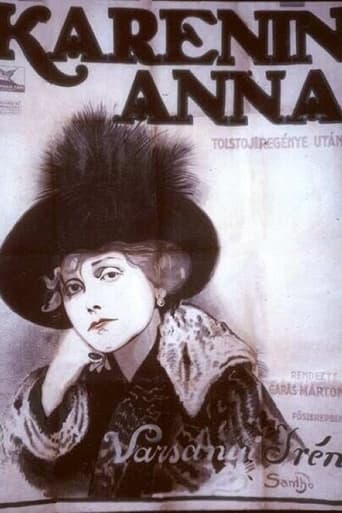
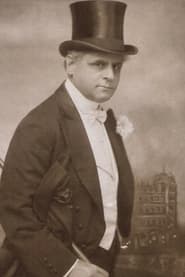
Emil Fenyvessy was a Hungarian actor of the silent-film era, remembered today primarily for his appearance in the 1918 screen adaptation of "Anna Karenina." Reliable published information about his broader life and career is extremely limited, and surviving records do not provide a detailed, well-documented career arc comparable to the major international stars of the period. What can be established is that he was active in cinema during the late silent era and worked at a time when Hungarian and Central European filmmakers were producing a significant body of literary and prestige adaptations. His known screen presence places him among the many stage-trained or locally prominent performers who contributed to early European film culture even when their later fame did not endure in surviving reference sources. Because of the scarcity of archival detail, much of his personal biography, including exact birth and death data, education, and family life, remains undocumented in widely accessible film references. He is best understood as a historical figure in Hungarian silent cinema rather than as a widely documented international star. His legacy rests largely on the preservation of his credited work in film records rather than on a large surviving filmography.
More about Emil Fenyvessy
On screen
No detailed contemporary criticism of Emil Fenyvessy's acting style has survived in readily available sources. As a silent-era actor, his performance would have depended on expressive physical gesture, clear facial expression, and stage-derived presence to communicate emotion without spoken dialogue. His credited participation in a literary adaptation suggests he likely worked within a restrained, dramatic performance style suited to serious period drama rather than broad comedy or slapstick. Beyond that, specific information about his personal technique is not verifiable from surviving mainstream references.
In film history
Emil Fenyvessy's cultural impact lies less in widespread fame and more in his place within the early history of Hungarian silent cinema. Performers like him helped bring major literary works to the screen at a time when cinema was establishing itself as a serious cultural form, especially in Central Europe. Even when individual biographies are fragmentary, the surviving credits of actors from this period demonstrate the breadth of talent that supported the growth of national film industries. His appearance in "Anna Karenina" connects him to the international tradition of adapting canonical literature for the screen, a practice that shaped audience expectations for prestige cinema in the silent era.
Later reputation
His lasting legacy is primarily archival and historical: he is preserved as part of the credited cast of an important 1918 adaptation of a world-famous novel. For film historians, actors like Fenyvessy are valuable because they represent the broader ecosystem of silent cinema beyond the best-remembered stars. His name survives in film databases and reference works as evidence of the Hungarian contribution to early screen culture. In that sense, his legacy is one of documentation and representation, helping map the personnel of an era whose records are often incomplete.
Influence
There is no documented evidence that Emil Fenyvessy directly mentored later performers or exerted a widely recognized influence on subsequent generations of actors. His significance is more indirect: by participating in an early literary adaptation, he contributed to performance norms in silent drama, where expression, composure, and visual storytelling were central. The broader influence of actors like him can be seen in the development of Central European screen acting, particularly the movement from stage-inflected performance toward more camera-specific subtlety. However, specific influence on named actors or directors cannot be verified from available sources.
Off screen
Little is publicly documented about Emil Fenyvessy's personal life in accessible film-historical sources. His birth and death details, marital status, family background, and private life are not confirmed in the references available here. As with many early European silent-era performers, his public trace survives mainly through film credits rather than biographical archives. No reliable evidence of later public honors, memoirs, or interviews has been found in the available record.
Education
Not documented in readily available sources; possible stage or theatrical training cannot be confirmed.
Credits
- Appeared in the 1918 silent adaptation of Leo Tolstoy's "Anna Karenina"
- Worked during the late silent era in Hungarian cinema, a period of important literary adaptations and historical dramas
- Represents one of the many early European screen actors whose careers are preserved primarily through film credits and archival listings
- Contributed to the prestige-film tradition that brought major literary works to the screen in the 1910s
Roles
- Credited role in "Anna Karenina" (1918)
Films
- "Anna Karenina" (1918)
Notes
- He is chiefly remembered today for a single credited silent-film appearance rather than for a long surviving filmography.
- His known screen work dates to 1918, placing him squarely in the final years of the silent era before postwar changes reshaped European cinema.
- "Anna Karenina" was one of many prestige literary adaptations made during the silent period, showing the importance of canonical novels to early film culture.
- Because records on many early Hungarian performers are incomplete, Emil Fenyvessy is one of several actors whose biographies remain difficult to reconstruct in full.
- His surviving credit helps film historians trace the personnel involved in early Central European adaptation cinema.
- There is no widely available evidence of awards or major international stardom, which is common for many working actors of the silent era whose careers were locally significant but poorly archived.
- The scarcity of biographical detail makes him a representative figure for many early European screen performers whose contributions are known more through film titles than through personal histories.
Questions
Who was Emil Fenyvessy?
Emil Fenyvessy was a Hungarian silent-film actor known for appearing in "Anna Karenina" (1918). He is a historical figure from early European cinema whose surviving record is limited, but whose credit places him in the prestige-film culture of the silent era.
What films is Emil Fenyvessy best known for?
He is best known for "Anna Karenina" (1918), the main surviving film credit associated with his name in accessible sources. No broader widely documented filmography is readily confirmed.
When was Emil Fenyvessy born and when did he die?
His birth and death dates are not confirmed in the readily available record used here. Many silent-era European performers have incomplete archival documentation, and Emil Fenyvessy is one of those cases.
What awards did Emil Fenyvessy win?
No awards are documented in the available sources. This is not unusual for actors from the silent era, especially those whose careers were brief or locally recorded rather than internationally publicized.
What was Emil Fenyvessy's acting style?
As a silent-era actor, his work would have relied on expressive physical performance, facial nuance, and dramatic gesture. No detailed contemporary description of his style survives in accessible sources, so specific technique cannot be verified.
What is Emil Fenyvessy's legacy in film history?
His legacy is primarily historical and archival. He survives as part of the cast record of an important silent adaptation of a classic novel, helping document the personnel of early Hungarian and Central European cinema.