
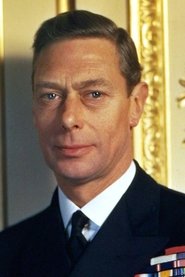
King George VI of the United Kingdom
Actor
Born: December 14, 1895 in York Cottage, Sandringham, England Died: February 6, 1952 Active: 1936-1952 (as monarch), 1944 (film appearance) Birth Name: Albert Frederick Arthur George
Films
1 film
About King George VI of the United Kingdom
King George VI, born Albert Frederick Arthur George, was the second son of King George V and Queen Mary, never expecting to ascend to the throne. He served in the Royal Navy during World War I, including at the Battle of Jutland, and was created Duke of York in 1920. In 1936, following the abdication crisis when his brother Edward VIII stepped down to marry Wallis Simpson, Albert reluctantly became King George VI. Despite suffering from a severe stammer and being naturally shy, he transformed into a symbol of national unity during Britain's darkest hour, World War II. He remained in London during the Blitz, visited bombed areas, and made regular radio broadcasts that bolstered public morale. His leadership during the war years earned him the respect and affection of his people. He died in 1952 at Sandringham House, leaving a legacy of duty and service that continued through his daughter, Queen Elizabeth II.
The Craft
On Screen
Not applicable as he was not a professional actor, though his public appearances and broadcasts were noted for their sincerity and determination despite his speech impediment
Milestones
- Ascended to the throne following the abdication of his brother Edward VIII in 1936
- Led Britain through World War II (1939-1945)
- Became the first Head of the Commonwealth in 1949
- Made historic wartime broadcasts that boosted national morale
- Visited troops and bomb sites to show solidarity with the British people
- Appeared in archival footage in the documentary 'The Memphis Belle' (1944)
Best Known For
Iconic Roles
Must-See Films
Accolades
Won
- Order of the Garter (1917)
- Order of the Thistle (1936)
- Royal Victorian Chain (1937)
- Order of Merit (1946)
- Order of St. John (1944)
Special Recognition
- Field Marshal in the British Army
- Admiral of the Fleet in the Royal Navy
- Marshal of the Royal Air Force
- Grand Cross of the Legion of Honour (France)
- Chief of the Order of the White Lion (Czechoslovakia)
- Order of the White Eagle (Poland)
- Order of the Elephant (Denmark)
- Grand Cordon of the Order of the Chrysanthemum (Japan)
- Order of the Golden Fleece (Spain)
- Order of the Seraphim (Sweden)
Why They Matter
Impact on Culture
King George VI became an unexpected symbol of British resilience during World War II, transforming from a reluctant monarch with a speech impediment into a figure of national unity. His decision to remain in London during the Blitz, alongside ordinary citizens, and his visits to bomb-damaged areas demonstrated solidarity with his people. His wartime broadcasts, delivered with visible effort yet unwavering determination, helped maintain public morale during Britain's darkest hours. The 2010 film 'The King's Speech' brought his personal struggles to international attention, humanizing the monarchy and highlighting themes of overcoming personal adversity for the greater good. His reign marked the beginning of the modern constitutional monarchy, balancing tradition with the changing needs of a democratic society.
Lasting Legacy
King George VI is remembered as the monarch who saved the British monarchy during its greatest crisis of the 20th century. His dedication to duty, personal courage in overcoming his speech impediment, and leadership during World War II restored public faith in the institution after the abdication scandal. He established the pattern of the modern monarch as a symbol of national unity rather than political power. His daughter Elizabeth II built upon his foundation, further modernizing the monarchy while maintaining its ceremonial importance. The story of his friendship with speech therapist Lionel Logue has inspired countless people dealing with speech impediments and other personal challenges. His reign saw the transition of the British Empire into the Commonwealth of Nations, a voluntary association of equal states that continues to this day.
Who They Inspired
King George VI influenced the British public through his example of quiet determination and service during wartime. His approach to monarchy emphasized accessibility and connection with ordinary people, setting a precedent for future royal engagement. His successful management of the abdication crisis provided a model for constitutional stability during political transitions. The story of his struggle with his stammer and subsequent improvement has inspired many facing similar challenges. His leadership style influenced how constitutional monarchies should function in democratic societies, serving as symbols of unity while respecting democratic processes. His relationship with Winston Churchill during the war demonstrated how political leadership and constitutional monarchy can work in partnership for national benefit.
Off Screen
King George VI married Lady Elizabeth Bowes-Lyon (later the Queen Mother) in 1923, after proposing three times as she was initially reluctant to marry into the royal family. They had two daughters: Princess Elizabeth (the future Queen Elizabeth II) and Princess Margaret. The family was known for their close bonds and relatively normal home life within royal constraints. George VI was a devoted family man who enjoyed collecting stamps and fishing. His struggle with his stammer was a private challenge that became public knowledge during his reign, yet he worked diligently to overcome it with the help of speech therapist Lionel Logue.
Education
Educated at home by private tutors until age 13, then attended the Royal Naval College, Osborne (1909-1911) and the Royal Naval College, Dartmouth (1911-1913)
Family
- Lady Elizabeth Bowes-Lyon (1923-1952)
Did You Know?
- He was born on the anniversary of his great-grandfather Prince Albert's death
- He was naturally left-handed but was forced to write with his right hand as a child
- He was the first British monarch to visit the United States in 1939
- He was a heavy smoker, which likely contributed to his early death from lung cancer
- His coronation was the first to be broadcast on radio
- He was known as 'Bertie' to his family and close friends
- He served aboard HMS Collingwood during the Battle of Jutland in World War I
- He was created Duke of York in 1920 before becoming king
- He was the last Emperor of India until the title was abolished in 1947
- He chose George as his regnal name to honor his father and continue the line
- He appeared in newsreel footage that was later included in 'The Memphis Belle' documentary
- His relationship with speech therapist Lionel Logue was depicted in the Oscar-winning film 'The King's Speech'
In Their Own Words
I have learned that service is the rent we pay for our room on earth.
The highest of distinctions is service to others.
In this grave hour, perhaps the most fateful in our history... For the second time in the lives of most of us we are at war.
At this historic moment, I send to every household of my peoples, both at home and overseas, this message, spoken with the same depth of feeling for each one of you as if I were able to cross your threshold and speak to you myself.
I feel happier now that I have a great responsibility to bear than I have ever felt before.
Frequently Asked Questions
Who was King George VI?
King George VI was the King of the United Kingdom from 1936 to 1952, who led Britain through World War II. Born as Prince Albert, he became king unexpectedly after his brother Edward VIII abdicated to marry Wallis Simpson, and he became a symbol of national resistance during Britain's darkest hour.
What films is King George VI best known for?
King George VI was not a professional actor but appeared in archival footage in the documentary 'The Memphis Belle' (1944). His life story was later depicted in the Academy Award-winning film 'The King's Speech' (2010), starring Colin Firth.
When was King George VI born and when did he die?
King George VI was born on December 14, 1895, at York Cottage in Sandringham, England, and died on February 6, 1952, at Sandringham House in Norfolk, England, at the age of 56.
What awards did King George VI win?
As monarch, King George VI received numerous honors and decorations from across the Commonwealth and allied nations during World War II, including the Order of the Garter, Order of the Thistle, and various international honors, but no film industry awards.
What was King George VI's speaking style?
King George VI struggled with a severe stammer throughout his life, which he worked to overcome with the help of speech therapist Lionel Logue. His wartime broadcasts became famous for their sincerity and determination despite his speech challenges, and he gradually improved his public speaking abilities.
How did King George VI become king?
King George VI became king in December 1936 after his older brother Edward VIII abdicated the throne to marry Wallis Simpson, a divorced American. As the second son, Albert (as he was known) never expected to become king and ascended reluctantly, taking the regnal name George VI.
What was King George VI's role during World War II?
During World War II, King George VI became a symbol of British resistance and unity. He remained in London during the Blitz, visited bomb-damaged areas, made regular radio broadcasts to boost morale, and worked closely with Prime Minister Winston Churchill, embodying the British resolve to defeat Nazi Germany.
What was King George VI's relationship with the film industry?
King George VI had no professional relationship with the film industry. His only film appearance was in archival footage included in the 1944 documentary 'The Memphis Belle.' However, his life story has been the subject of films, most notably 'The King's Speech' (2010), which dramatized his struggle with his stammer and friendship with speech therapist Lionel Logue.