Films
1 film
About Rafael Marques
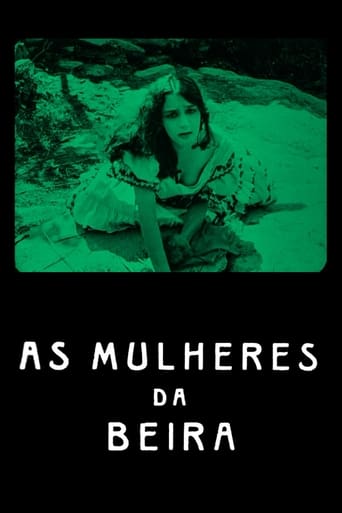
This archive lists one role for Rafael Marques: Mulheres da Beira (1921). This film was part of the early Portuguese cinema movement that emerged in the 1910s and 1920s, though much of this early national film production has been lost to history. Marques represents the many actors who participated in the nascent film industries of smaller European countries during the silent era, often working on just one or two productions before either returning to other theatrical pursuits or leaving the industry entirely. The lack of extensive documentation about his career is typical of many regional actors from this period, particularly those who worked outside the major film production centers like Hollywood or major European capitals. His appearance in 'Mulheres da Beira' places him among the generation of Portuguese film actors who helped establish the country's cinematic presence before the transition to sound.
The Craft
Milestones
- Appeared in the 1921 Portuguese silent film 'Mulheres da Beira'
Best Known For
Must-See Films
Why They Matter
Impact on Culture
Rafael Marques represents the often-overlooked actors who contributed to the development of national cinemas during the silent era. His participation in 'Mulheres da Beira' places him within the context of early Portuguese film history, a period that laid the groundwork for the country's cinematic tradition. While individual actors like Marques may be largely forgotten, their collective contributions were essential in establishing film as a cultural medium in Portugal during the early 20th century. The scarcity of information about such figures reflects the broader challenge of documenting film history from this period, especially outside the major industrial film centers.
Lasting Legacy
The legacy of Rafael Marques is primarily historical, serving as a representative example of the many actors who participated in early national cinema but whose individual stories have been largely lost to time. His appearance in 'Mulheres da Beira' makes him part of the foundational generation of Portuguese film actors, even though his personal contributions and career trajectory remain largely undocumented. Like many actors from this era and region, his legacy exists primarily through the surviving records of the films he participated in, serving as a reminder of the countless individuals who helped build national film industries during cinema's formative years.
Who They Inspired
Given the limited documentation of Rafael Marques' career and the brevity of his known film work, there is no recorded evidence of his direct influence on other actors or filmmakers. His influence, if any, would have been localized to the small circle of Portuguese film production in the early 1920s, a period when the national film industry was still in its developmental stages.
Off Screen
Very little is documented about Rafael Marques' personal life, which is typical for many supporting actors from the silent era in smaller national film industries.
Did You Know?
- Appeared in only one known film, 'Mulheres da Beira' (1921)
- Part of the early generation of Portuguese silent film actors
- The film's title translates to 'Women of Beira' in English
- 1921 was during the peak period of Portuguese silent film production
- Most Portuguese silent films from this era have been lost
- Actors from this period often worked in both theater and film
- Portuguese cinema of the 1920s was heavily influenced by French and Italian film styles
Frequently Asked Questions
Who was Rafael Marques?
Portuguese with credits in this catalog. He represents the early generation of actors who helped establish Portugal's national cinema during its formative years.
What films is Rafael Marques best known for?
Titles linked here include Mulheres da Beira (1921).
When was Rafael Marques born and when did he die?
The birth and death dates of Rafael Marques are not documented in available historical records, which is common for many supporting actors from the silent era in smaller national film industries.
What awards did Rafael Marques win?
There are no recorded awards or nominations for Rafael Marques, which is typical for actors from this period in Portuguese cinema, as formal award systems were not yet established in the national film industry.
What was Rafael Marques' acting style?
Due to the limited documentation of his career and the loss of most Portuguese silent films, there is no available information about Rafael Marques' specific acting style or techniques.
Why is so little known about Rafael Marques?
The scarcity of information about Rafael Marques is typical of many actors from early national cinemas, especially those who worked outside major film production centers. Poor record-keeping, lost films, and the transient nature of early film careers contributed to this lack of documentation.