Films
2 films

About Duarte Silva
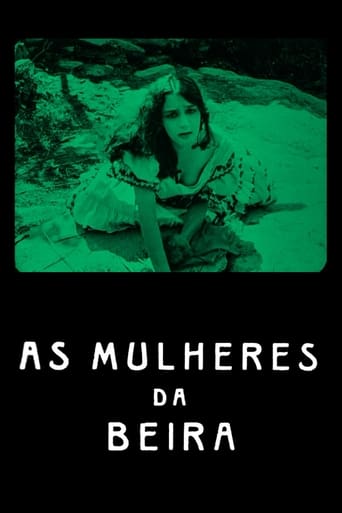
The 1921 film Mulheres da Beira is the only title linked here for Duarte Silva. His known filmography consists of a single appearance in the 1921 Portuguese film 'Mulheres da Beira' (Women of Beira), which was one of the earliest examples of Portuguese cinema. The film was directed by Georges Pallu and was part of a series of Portuguese productions made during this period. Unfortunately, like many actors from early European cinema, particularly those from smaller national film industries, detailed records of Silva's life and career have been lost to time. His brief appearance in this film represents the entirety of his documented film work, making him one of the many forgotten figures from cinema's formative years. The fact that he appeared in only one film suggests he may have been a local actor from the Beira region of Portugal who was cast for authenticity, or perhaps an amateur performer who did not pursue acting as a long-term career.
The Craft
Milestones
- Appeared in 'Mulheres da Beira' (1921), one of Portugal's earliest feature films
Best Known For
Must-See Films
Working Relationships
Worked Often With
Why They Matter
Impact on Culture
Duarte Silva's contribution to cinema, while minimal in scope, represents the broader landscape of early European film production. His appearance in 'Mulheres da Beira' is part of Portugal's cinematic heritage during the silent era, a time when the country was developing its own film identity separate from the dominant French and American industries. The film itself was significant as one of the early Portuguese productions that attempted to capture local culture and stories, and actors like Silva, even in minor roles, were essential to creating authentic representations of Portuguese life on screen.
Lasting Legacy
Duarte Silva's legacy is that of countless anonymous actors from cinema's earliest decades who contributed to the development of national film industries but whose names have been largely forgotten. His single documented appearance in 'Mulheres da Beira' serves as a reminder of the many local actors, performers, and craftsmen who participated in early cinema but left little trace in historical records. His story illustrates the ephemeral nature of fame in early film and the challenges of film preservation and historical documentation, particularly for smaller national cinemas.
Who They Inspired
As an actor with only one known film credit, Duarte Silva's direct influence on subsequent performers or filmmakers is difficult to trace. However, like many early film actors, he contributed to the development of acting techniques for the silent screen, helping establish the visual language of cinema in its formative years. His participation in Portuguese cinema helped build the foundation for future generations of Portuguese filmmakers and actors.
Off Screen
Very little is known about Duarte Silva's personal life, as was common for many supporting actors in early European cinema who appeared in only one or two films. Records from this period, especially in Portugal's developing film industry, were often not preserved comprehensively.
Did You Know?
- Appeared in only one known film during his entire career
- 'Mulheres da Beira' was directed by French filmmaker Georges Pallu, who made several films in Portugal
- The film was one of the earliest examples of Portuguese narrative cinema
- Like many early silent films, 'Mulheres da Beira' is now considered lost or partially lost
- Duarte Silva represents the typical journeyman actor of early cinema who often appeared in only one or two films
- The film's title translates to 'Women of Beira,' referring to the Beira region of Portugal
- 1921 was a significant year for Portuguese cinema, with several productions being made
- Early Portuguese cinema often used local actors to ensure authenticity in regional stories
Frequently Asked Questions
Who was Duarte Silva?
Screen credits include only one known film, 'Mulheres da Beira' in 1921. He represents one of the many anonymous actors from early European cinema whose careers were brief and largely undocumented.
What films is Duarte Silva best known for?
Titles linked here include Mulheres da Beira (1921).
When was Duarte Silva born and when did he die?
Specific birth and death dates for Duarte Silva are not available in historical records, which is common for many supporting actors from early cinema, particularly from smaller national film industries like Portugal's.
What awards did Duarte Silva win?
There are no records of Duarte Silva receiving any awards or nominations, which was typical for most actors in early cinema, especially those with very brief careers or minor roles.
What was Duarte Silva's acting style?
Due to the loss of the film 'Mulheres da Beira' and the scarcity of documentation about Silva's performance, his specific acting style cannot be determined. Like most silent era actors, he would have used exaggerated gestures and facial expressions to convey emotion.
Why is so little known about Duarte Silva?
The scarcity of information about Duarte Silva is typical of many early cinema actors, especially from smaller national film industries. Poor record-keeping, lost films, and the transient nature of early film careers have contributed to the loss of biographical information about such performers.