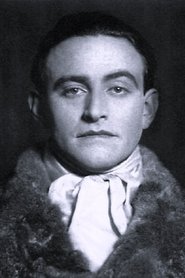
Ludwig Trautmann
Actor
- Active
- 1913-1916
Films 2
About Ludwig Trautmann
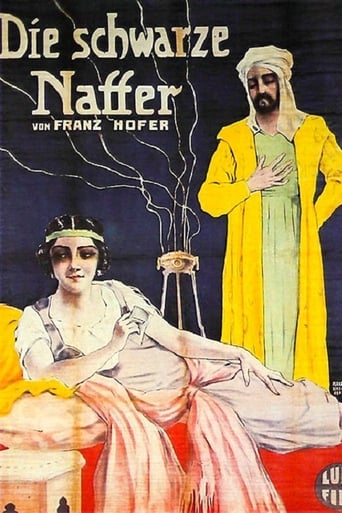
Ludwig Trautmann was a German actor active in the silent film era, known from surviving film records for work during the early 1910s, including Die schwarze Natter (1913) and The ABC of Love (1916). He appears to have been part of the first generation of screen performers who helped establish German cinema as a viable dramatic medium before and during the First World War. Because film documentation from this period is often incomplete, relatively little biographical detail about his private life has survived in readily accessible sources, and many aspects of his career remain obscure. What is clear is that he worked during a formative moment in European film history, when actors were adapting stage-trained performance to the more intimate and visual demands of silent cinema. His known screen activity places him among the early contributors to German popular film production in the years before the major artistic flowering of Weimar cinema. No firm evidence is readily available here regarding later film work, theatre work, or post-screen career developments, which suggests that his screen career may have been brief or that records have not survived comprehensively. As a result, Ludwig Trautmann is chiefly remembered today as a name attached to early silent-era films rather than as a broadly documented celebrity of the period.
More about Ludwig Trautmann
On screen
No detailed contemporary reviews or surviving performance analyses are readily available for Ludwig Trautmann, so his specific technique cannot be verified with confidence. As a silent-era actor, his work would have relied on expressive facial movement, body language, and clear visual readability rather than spoken dialogue. Given the period and the films in which he appeared, his style was likely aligned with the restrained yet legible theatrical screen acting common in early German cinema. Any stronger claims about his individuality as a performer would be speculative without surviving criticism or film evidence.
In film history
Ludwig Trautmann's cultural impact lies less in fame than in representation: he is one of many actors whose names appear in the record of early German silent cinema, a field that laid the groundwork for later internationally celebrated filmmakers and performers. Even when individual biographies are fragmentary, such performers are important evidence of the breadth of production activity in the 1910s and of the professional networks that sustained early European film. His film appearances contribute to the historical map of pre-Weimar screen entertainment, when cinema was evolving from short novelty attractions into a more structured narrative art. For historians, names like Trautmann help reconstruct the full ecosystem of silent-era production, including the many working actors who supported the industry outside the most famous stars.
Later reputation
Ludwig Trautmann's lasting legacy is primarily archival and historical rather than celebrity-driven. He remains part of the surviving cast records that document the development of early German cinema and the silent-film acting profession. Because his career is only sparsely documented, his importance today rests in what he reveals about the period itself: the large and often under-recorded body of actors who made the first generation of feature-length and narrative screen drama possible. In film history terms, his name endures as a trace of early screen culture and as a reminder that many contributors to classic cinema are preserved only in credits and scattered filmographies.
Influence
There is no documented evidence that Ludwig Trautmann directly influenced later major actors or directors in a way that can be specifically traced. His broader influence is indirect: by participating in early silent films, he contributed to the performance norms and industrial practices that shaped subsequent generations of German screen acting. Performers from this era collectively influenced the evolution of visual acting styles in Europe, especially the balance between theatrical clarity and cinematic subtlety. Trautmann's role is therefore best understood as part of a larger foundational tradition rather than as a singular, individually documented influence.
Off screen
Reliable publicly accessible information about Ludwig Trautmann's personal life is extremely limited. No verified details about marriages, children, family background, residence, or later-life activities are readily available from the surviving film references associated with his name. This lack of documentation is common for many minor or short-career silent-era performers, especially those whose work predates the systematic preservation of studio records and trade publications. As a result, his private life remains largely unknown to modern researchers.
Education
No verified information is readily available regarding his education or acting training.
Credits
- Appeared in Die schwarze Natter (1913), placing him among the early screen performers of pre-World War I German cinema.
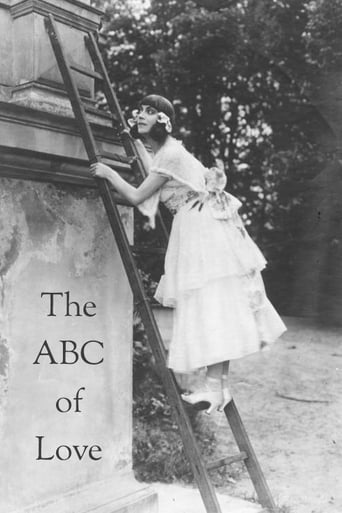
- Appeared in The ABC of Love (1916), documenting continued activity during the mid-1910s silent era.
- Worked during the formative period when German film production was rapidly expanding in both popular and artistic direction.
- Represents an early generation of actors whose work helped establish silent-film performance conventions in Europe.
Roles
- Role in Die schwarze Natter (1913)
- Role in The ABC of Love (1916)
Films
- Die schwarze Natter (1913)
- The ABC of Love (1916)
Notes
- He is associated with the earliest phase of German cinema, with recorded film activity beginning in 1913.
- His known screen career spans only a short documented window, from 1913 to 1916.
- He appeared in both a 1913 and a 1916 film, suggesting continued work during the middle of the silent era.
- Surviving accessible records do not provide detailed biographical data, which is common for many silent-era actors outside the top star tier.
- His filmography helps historians reconstruct the large supporting cast network of early German film production.
- He should not be confused with later or similarly named performers, as the available evidence points specifically to a silent-era German actor.
- His work predates the major international recognition of German expressionist cinema, placing him in an earlier production phase.
Questions
Who was Ludwig Trautmann?
Ludwig Trautmann was a German silent-film actor active in the early 1910s. He is known from surviving film credits, including Die schwarze Natter (1913) and The ABC of Love (1916), but detailed biographical information is limited.
What films is Ludwig Trautmann best known for?
He is best known for appearing in Die schwarze Natter (1913) and The ABC of Love (1916). These titles are the principal surviving references tied to his screen career.
When was Ludwig Trautmann born and when did he die?
His birth date, death date, and places of birth and death are not readily verifiable from the available historical film records. Like many minor silent-era performers, his personal life has not been well documented in modern reference sources.
What awards did Ludwig Trautmann win?
No awards or nominations are currently documented for Ludwig Trautmann in the available record. This is not unusual for actors from the silent era, especially those whose careers were brief or whose documentation has been lost.
What was Ludwig Trautmann's acting style?
His precise acting style cannot be assessed in detail because surviving reviews and performance analyses are scarce. As a silent-era performer, he would have relied on expressive physical acting, facial expression, and visual clarity to communicate character and emotion.
What is Ludwig Trautmann's legacy in film history?
His legacy lies in his place within the early development of German cinema. Even though he is not a widely documented star, his credits help historians understand the performers who sustained the silent-film industry in its formative years.