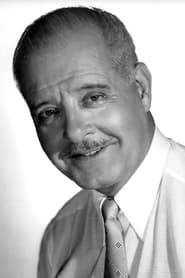
André Luguet
Actor
Born: May 15, 1892 in Fontenay-aux-Roses, France Died: May 24, 1979 Active: 1919-1969 Birth Name: André Auguste Léon Luguet
Films
1 film
About André Luguet
French actor: over five decades, beginning in the silent era and continuing through the Golden Age of French cinema. Born in 1892, he emerged as a prominent leading man in the 1920s, transitioning successfully from silent films to talkies. Luguet became particularly renowned for his sophisticated portrayals of aristocratic and bourgeois characters, often playing charming gentlemen, diplomats, and military officers. His career flourished during the 1930s when he became one of France's most popular romantic leads, appearing in numerous successful films alongside actresses like Michèle Morgan and Arletty. During World War II, he temporarily relocated to Hollywood where he appeared in several American films, often in roles that capitalized on his French heritage. After the war, Luguet returned to France and continued his prolific career, appearing in films and television productions through the 1960s. His elegant demeanor, polished acting style, and distinctive voice made him a beloved figure in French cinema, representing a certain refinement and sophistication that characterized the classic French film tradition.
The Craft
On Screen
Elegant and sophisticated, Luguet was known for his refined portrayals of gentlemen and aristocrats. His acting style emphasized grace, charm, and subtlety, with a particular talent for conveying complex emotions through nuanced facial expressions and a distinctive, cultured voice. He excelled in romantic roles, bringing a natural warmth and authenticity to his performances while maintaining an air of aristocratic refinement.
Milestones
- Film debut in silent era (1919)
- Leading man in 1930s French cinema
- Hollywood period during WWII
- Post-war comeback in French cinema
- Transition to television in 1960s
Best Known For
Iconic Roles
Must-See Films
Accolades
Special Recognition
- Commandeur de l'Ordre national du Mérite
- Chevalier de la Légion d'honneur
Working Relationships
Worked Often With
Studios
Why They Matter
Impact on Culture
André Luguet represented the epitome of French elegance and sophistication in cinema during the 1930s and 1940s. His portrayals of refined gentlemen helped establish the archetype of the French romantic lead that would influence generations of actors. Luguet's successful transition from silent films to talkies demonstrated his versatility and adaptability as a performer, setting a precedent for other actors of his generation. His work in Hollywood during World War II helped bridge French and American cinema cultures, introducing American audiences to French acting styles and sensibilities.
Lasting Legacy
Luguet's legacy endures through his extensive filmography, which serves as a valuable record of French cinema's golden age. He is remembered as. His films continue to be studied and appreciated by film historians and classic cinema enthusiasts, offering insights into the cultural and social values of mid-20th century France. Luguet's career trajectory, from silent films through television, also documents the evolution of the entertainment industry itself.
Who They Inspired
Luguet influenced subsequent generations of French actors through his refined acting style and his ability to convey complex emotions with subtlety and grace. His approach to portraying aristocratic characters set a standard for elegance in French cinema that actors like Alain Delon and Jean-Paul Belmondo would later reference and reinterpret. His success in both French and international markets demonstrated the global appeal of French cinema and inspired other French actors to pursue international careers.
Off Screen
André Luguet came from a family with artistic connections - his father was an actor and his mother was a pianist. He married three times throughout his life, first to actress Jacqueline Forzane, then to Rosine Deréan, another prominent actress of the era, and finally to Janine Darcey. His personal life was marked by his dedication to the craft of acting and his reputation as a gentleman both on and off screen. He maintained a relatively private personal life despite his celebrity status in France.
Education
Studied at the Conservatoire de Paris, graduating with honors in dramatic arts
Family
- Jacqueline Forzane (1924-1930)
- Rosine Deréan (1934-1943)
- Janine Darcey (1948-1979)
Did You Know?
- Was fluent in both French and English, which helped his Hollywood career
- Served in the French Army during World War I before beginning his acting career
- Was a skilled tennis player and often participated in celebrity tournaments
- His distinctive voice made him a popular choice for radio work in addition to films
- Appeared in over 100 films throughout his career
- Was a close friend of fellow actor Maurice Chevalier
- His third wife, Janine Darcey, was 25 years younger than him
- Continued acting well into his 70s, appearing in television series in the 1960s
- Was known for his impeccable dress sense both on and off screen
- Received a special tribute at the Cannes Film Festival in 1975
In Their Own Words
The cinema is not just a profession, it's a way of life that demands complete dedication
To be an actor is to live many lives in one lifetime
Elegance is not just in appearance, but in the way one carries oneself through life
The transition from silent to sound films was challenging, but it opened new possibilities for emotional expression
French cinema has always been about artistry, not just entertainment
Frequently Asked Questions
Who was André Luguet?
French with credits in this catalog. He was renowned for his elegant portrayals of sophisticated gentlemen and became one of France's most popular romantic leads during the 1930s and 1940s.
What films is André Luguet best known for?
Titles linked here include La Belle Équipe (1936), Le Roman d'un tricheur (1936).
When was André Luguet born and when did he die?
Born May 15, 1892; died May 24, 1979.
What awards did André Luguet win?
While Luguet didn't receive major film awards, he was honored with the Commandeur de l'Ordre national du Mérite and was named Chevalier de la Légion d'honneur, recognizing his significant contributions to French culture and cinema.
What was André Luguet's acting style?
Luguet was known for his elegant and sophisticated acting style, excelling in portrayals of gentlemen and aristocrats. His approach emphasized grace, charm, and subtlety, with a talent for conveying complex emotions through nuanced expressions and his distinctive cultured voice.