Charles Sullivan
Actor
Born: April 24, 1899 in Monroe, Louisiana, USA Died: June 25, 1972 Active: 1925-1958
Films
1 film
About Charles Sullivan
Remarkably prolific American character actor: the transition from silent films to the Golden Age of Hollywood. Born in Monroe, Louisiana, in 1899, he began his cinematic journey in the mid-1920s, making an early appearance in the 1925 film 'His People.' Sullivan became a ubiquitous presence in Hollywood, often appearing in uncredited but essential roles as tough guys, drivers, waiters, and henchmen. His ability to blend into the background of a scene while providing authentic atmosphere made him a favorite of major studios like Paramount and Warner Bros. Over the course of three decades, he amassed hundreds of credits, working alongside figures such as James Cagney, William Powell, and Cary Grant. Even as the industry shifted from silent slapstick to gritty noir and Technicolor comedies, Sullivan remained a steady working professional until his retirement in the late 1950s.
The Craft
On Screen
Sullivan was the quintessential 'everyman' character actor, specializing in blue-collar and tough-guy archetypes. His acting style was grounded and naturalistic, designed to provide realism to the urban environments of 1930s and 40s cinema. He was particularly adept at physical acting, often cast as athletes, soldiers, or laborers where his stature and rugged features added immediate credibility to the role.
Milestones
- Appeared in over 250 films credited by the American Film Institute, with some sources citing over 500 total appearances
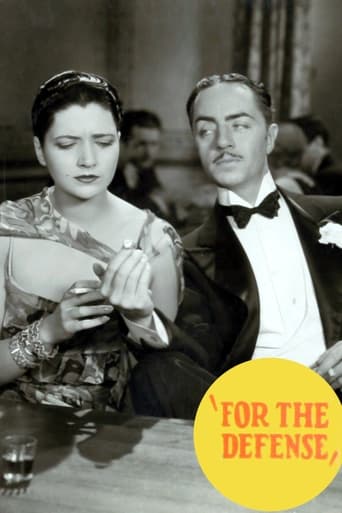
- Made a notable early talkie appearance as the chauffeur in the William Powell vehicle 'For the Defense' (1930)
- Portrayed a prizefighter in 'The Spirit of Youth' (1929), showcasing his physical acting range
- Maintained a steady career through the Great Depression and World War II as a reliable 'utility' actor
- Concluded his long career with a role in the John Ford directed classic 'The Last Hurrah' (1958)
Best Known For
Iconic Roles
Must-See Films
Accolades
Special Recognition
- Recognized by the American Film Institute (AFI) for his extensive filmography and contribution to early sound cinema
Working Relationships
Worked Often With
Studios
Why They Matter
Impact on Culture
Charles Sullivan represents the 'backbone' of the Hollywood studio system. While stars like William Powell and James Cagney drew audiences to the theaters, it was character actors like Sullivan who populated the cinematic worlds, making them feel lived-in and authentic. His presence in landmark films like 'The Public Enemy' helped define the visual language of the American gangster and noir genres.
Lasting Legacy
Sullivan's legacy is found in the sheer volume of his work and his survival through the most turbulent eras of film history. He is a study in the professional longevity of the Hollywood character actor, proving that a career could be built on reliability and versatility rather than top-billing. Film historians and enthusiasts of the Golden Age often spot him as a 'familiar face' across hundreds of classic titles, making him a cult favorite among cinephiles.
Who They Inspired
He influenced the archetype of the 'tough but silent' urban worker in film, a trope that would be carried forward by later generations of character actors in the 1950s and 60s. His seamless transition from silent films to talkies served as a blueprint for other actors struggling with the advent of sound.
Off Screen
Charles Sullivan lived a relatively private life away from the Hollywood spotlight, typical of many character actors of his era. He moved from Louisiana to Los Angeles to pursue acting during the silent era and remained a resident of Southern California for the rest of his life. He passed away in Los Angeles at the age of 73 and is interred at Forest Lawn Memorial Park.
Did You Know?
- He is often confused with other actors named Charles Sullivan, but he is distinct for his prolific work in the 1930s and 40s.
- Sullivan appeared in the final Martin & Lewis comedy, 'Hollywood or Bust' (1956), as an uncredited audience member.
- He was a frequent face in the 'Boston Blackie' film series during the 1940s.
- Despite his hundreds of roles, he was without on-screen billing in the vast majority of them, which was common for 'atmosphere' actors of that period.
- He was born just before the turn of the century, witnessing the entire evolution of the motion picture industry from its infancy to the television era.
In Their Own Words
I'll have the car around in a moment, Mr. Foster. (As Charlie the Chauffeur in 'For the Defense', 1930)
Frequently Asked Questions
Who was Charles Sullivan?
Charles Sullivan (1899–1972) was a highly prolific American character actor known for appearing in hundreds of films during the Golden Age of Hollywood. He was a versatile 'utility' actor who played everything from chauffeurs to gangsters.
What films is Charles Sullivan best known for?
Titles linked here include For the Defense (1930), The Public Enemy (1931).
When was Charles Sullivan born and when did he die?
Born April 24, 1899; died June 25, 1972.
How many movies did Charles Sullivan appear in?
While the American Film Institute credits him with over 250 films, some film historians estimate he appeared in over 500 productions, many of which were uncredited.
What was Charles Sullivan's acting style?
Sullivan was known for a rugged, naturalistic style, often portraying blue-collar characters or tough urban figures. He was a reliable background actor who added realism to any scene he was in.