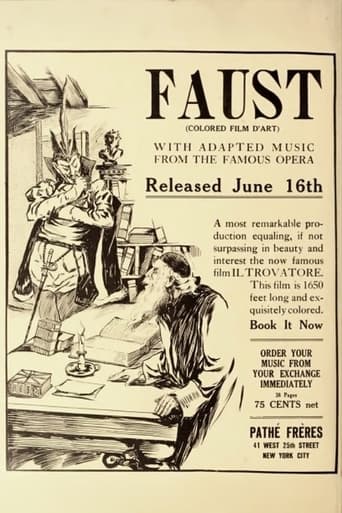
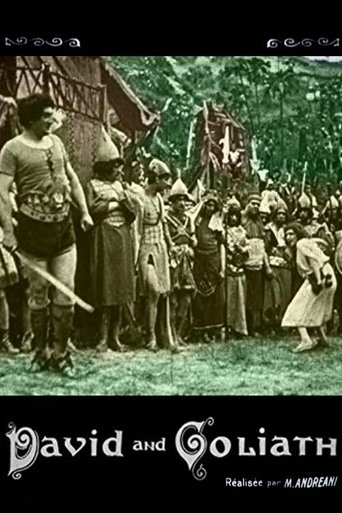
Films
3 films
About Henri Andréani
French film director who emerged during the era of cinema, contributing to the artistic development of early French silent films. His most significant and documented work was the 1910 adaptation of Goethe's 'Faust,' which showcased his ability to translate complex literary narratives to the emerging medium of film. Andréani worked during a crucial period when cinema was transitioning from simple novelty to legitimate artistic expression, and his adaptation of 'Faust' demonstrated the ambitious scope of early French filmmakers. Like many directors of his generation, he was part of the movement that established narrative techniques and visual storytelling methods that would influence subsequent filmmakers. His career, while relatively brief, coincided with the golden age of French cinema before World War I, when French films dominated international markets. Andréani's work represents the sophisticated literary adaptations that characterized French cinema's early artistic aspirations, bridging theatrical traditions with cinematic innovation.
The Craft
Behind the Camera
Andréani's directing style reflected the theatrical traditions of early French cinema, emphasizing dramatic tableaux and literary adaptations. His approach to 'Faust' demonstrated a preference for classical storytelling and visual spectacle, utilizing the limited technical resources of the era to create atmospheric and dramatic sequences. Like many early French directors, he incorporated elements from stage productions while exploring cinema's unique visual possibilities.
Milestones
- Directed the 1910 adaptation of Faust
- Contributed to early French silent cinema
- Adapted classical literature for film
- Worked during the golden age of French cinema
- Part of generation of French filmmakers
Best Known For
Must-See Films
Why They Matter
Impact on Culture
Henri Andréani's contribution to cinema, while limited in scope, represents the important trend of literary adaptation in early French film. His 1910 'Faust' was part of a broader movement that elevated cinema from mere entertainment to artistic medium capable of handling complex literary works. This adaptation helped establish the precedent for future filmmakers to tackle classic literature, demonstrating that film could be a legitimate vehicle for sophisticated storytelling. His work contributed to the international reputation of French cinema during its pre-World War I golden age, when French films dominated global markets.
Lasting Legacy
Andréani's legacy is primarily preserved through his 1910 adaptation of 'Faust,' which serves as an example of early French cinema's artistic ambitions. While his name may not be widely recognized today, his work represents the important transitional period when cinema was establishing itself as a serious art form. His adaptation of Goethe's masterpiece helped pave the way for future literary adaptations in cinema, demonstrating the medium's potential for handling complex narratives and themes.
Who They Inspired
As an early filmmaker, Andréani influenced subsequent generations of directors who sought to adapt literary works for the screen. His approach to 'Faust' provided early models for visual storytelling techniques that would be refined and expanded by later filmmakers. His work contributed to the development of cinema as a medium capable of handling sophisticated literary adaptations, influencing the trajectory of French and international cinema.
Off Screen
Very limited biographical information is available about Henri Andréani's personal life, which is common for many early cinema figures whose detailed records were not preserved. As a filmmaker working during the silent era's formative years, his life and career remain largely undocumented in comprehensive film histories.
Did You Know?
- The 1910 'Faust' was one of the earliest film adaptations of Goethe's masterpiece
- Andréani worked during the peak of French cinema's international dominance
- His 'Faust' was produced before many technical innovations in cinematography
- Early French directors like Andréani often came from theatrical backgrounds
- The 1910s saw numerous adaptations of classic literature in French cinema
- Andréani's career coincided with cinema's transition from novelty to art form
- His work represents the artistic ambitions of early French filmmakers
- Silent era directors often had to invent techniques as they worked
- French cinema of this period influenced filmmakers worldwide
- Literary adaptations were considered prestigious projects in early cinema
Frequently Asked Questions
Who was Henri Andréani?
French on YTB.my.' He was part of the generation of filmmakers who helped establish cinema as an artistic medium during its formative years.
What films is Henri Andréani best known for?
Titles linked here include Faust (1910).
When was Henri Andréani active as a director?
Henri Andréani was active as a director around 1910, during the peak period of French cinema's international dominance. His career coincided with the transitional era when cinema was establishing itself as a legitimate art form.
What was Henri Andréani's directing style?
Andréani's directing style reflected the theatrical traditions of early French cinema, emphasizing dramatic tableaux and literary adaptations. His approach incorporated elements from stage productions while exploring cinema's unique visual storytelling possibilities.
What is the significance of Andréani's 'Faust' (1910)?
The 1910 'Faust' was significant as one of the earliest film adaptations of Goethe's masterpiece, demonstrating cinema's potential for handling complex literary works. It represented the artistic ambitions of French cinema during its pre-World War I golden age.
How did Henri Andréani contribute to early cinema?
Andréani contributed to early cinema by helping establish the precedent for literary adaptations in film, demonstrating that the new medium could handle sophisticated narratives. His work was part of the movement that elevated cinema from entertainment to art form.