Francis Boggs
Director
Born: 1870 in Springfield, Missouri, United States Died: October 27, 1911 Active: 1908-1911 Birth Name: Francis William Boggs
Films
2 films
About Francis Boggs
Francis William Boggs — American film director who in the development of early cinema during the silent era. He began his career as a stage actor and theater manager before transitioning to the fledgling film industry around 1908. Boggs joined the Selig Polyscope Company, one of America's earliest film production companies, where he quickly rose to become their principal director. He was instrumental in establishing Selig's West Coast operations in Los Angeles, making him one of the first directors to recognize the potential of Southern California for filmmaking. Boggs directed numerous short films between 1908 and 1911, specializing in westerns and action pictures that showcased the dramatic landscapes of California. His innovative techniques and storytelling abilities helped establish many conventions of early American cinema. Tragically, his promising career was cut short when he was murdered at the Selig studio in 1911 at the age of 41, leaving behind a legacy as one of cinema's earliest and most influential directors.
The Craft
Behind the Camera
Boggs was known for his innovative approach to storytelling in early cinema, utilizing natural locations and realistic settings rather than relying solely on studio sets. He pioneered the use of outdoor filming in California's diverse landscapes, particularly in westerns where the vast expanses enhanced the dramatic impact of his narratives. His directing style emphasized action and movement, taking advantage of the new medium's visual storytelling capabilities. Boggs was also experimental with camera techniques, including early forms of tracking shots and dynamic compositions that were advanced for his time. He worked efficiently, often completing multiple films in a single week while maintaining quality and narrative coherence.
Milestones
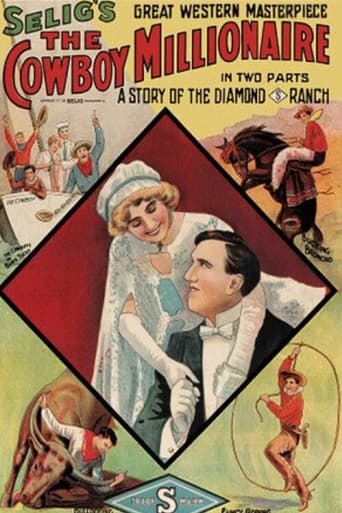
- Directed 'The Cowboy Millionaire' (1909)
- Established Selig Polyscope's Los Angeles studio operations
- Pioneered location filming in California
- Directed over 100 short films in three years
- Helped establish early film industry in Hollywood
Best Known For
Must-See Films
Accolades
Special Recognition
- Recognized as a pioneer of early American cinema
- Credited with helping establish the film industry in Los Angeles
Working Relationships
Worked Often With
Studios
Why They Matter
Impact on Culture
Francis Boggs had a profound impact on the development of American cinema as one of its earliest and most innovative directors. His work with the Selig Polyscope Company helped establish many of the foundational techniques of narrative filmmaking, particularly in the western genre. Boggs was among the first to recognize the advantages of filming in California, paving the way for Hollywood's eventual emergence as the center of American film production. His efficient production methods and creative storytelling approaches influenced countless directors who followed in his footsteps. The tragic circumstances of his death also highlighted the dangers and uncertainties faced by early filmmakers in an industry that was still finding its footing.
Lasting Legacy
Francis Boggs is remembered as a trailblazer who helped shape the course of American cinema during its formative years. His contributions to early film techniques, particularly in location shooting and western storytelling, established patterns that would influence filmmakers for decades. Boggs' work at Selig Polyscope helped demonstrate the commercial and artistic potential of motion pictures, contributing to the industry's rapid growth in the early 20th century. His establishment of Los Angeles as a viable filming location was particularly significant, as it laid groundwork for the Hollywood film industry that would dominate global cinema. Though his career was tragically short, Boggs' influence can be seen in the work of countless directors who built upon his innovations.
Who They Inspired
Boggs influenced early Hollywood directors through his use of California locations and his efficient production methods. His work in the western genre helped establish many of the conventions that would define the genre for decades. Directors who followed, including those at other studios, adopted his techniques for outdoor filming and naturalistic storytelling. His approach to rapid production while maintaining quality became a model for the studio system that would develop in Hollywood. Boggs' tragic death also served as a cautionary tale about the dangers of the early film industry, leading to improved safety standards in subsequent years.
Off Screen
Francis Boggs was married to Lillian Boggs, who worked as an actress in some of his films. The couple had no children. Boggs was known as a dedicated filmmaker who often worked long hours to complete his ambitious production schedule. His death was particularly tragic as he was at the height of his creative powers and had established himself as.
Education
Limited formal education; primarily self-taught in theater and early film techniques
Family
- Lillian Boggs (married until his death in 1911)
Did You Know?
- Was one of the first directors to film extensively in California
- Directed over 100 films in just three years
- Was murdered by a former studio employee named Frank Minnimatsu
- His death was one of the first major scandals in Hollywood history
- The Selig Polyscope studio where he worked was one of the first permanent film studios in Los Angeles
- Boggs often acted in his own films when needed
- He helped discover and develop early western star Tom Mix
- The exact circumstances of his murder remain somewhat mysterious to this day
- His wife Lillian continued working in films after his death
- Many of his films are now considered lost, as was common for early cinema
In Their Own Words
The motion picture is not just a novelty, but an art form that will one day rival the theater
California offers everything a filmmaker could want - sun, scenery, and endless possibilities
Frequently Asked Questions
Who was Francis Boggs?
American on YTB.my. He was one of the first directors to recognize the potential of filming in California and helped establish early Hollywood. His career was tragically cut short when he was murdered in 1911 at the age of 41.
What films is Francis Boggs best known for?
Titles linked here include The Cowboy Millionaire (1909), The Count of Monte Cristo (1908).
When was Francis Boggs born and when did he die?
Born 1870; died October 27, 1911.
What awards did Francis Boggs win?
Francis Boggs did not receive formal awards during his lifetime, as the Academy Awards and other major film honors were established after his death. However, he is recognized posthumously as a pioneer of early American cinema and is credited with helping establish the film industry in Los Angeles.
What was Francis Boggs' directing style?
Boggs was known for his innovative use of natural locations and outdoor filming, particularly in California landscapes. He emphasized action and movement in his films, taking advantage of the visual storytelling capabilities of the new medium. His work in westerns helped establish many conventions of the genre, and he was experimental with camera techniques that were advanced for his time.
How did Francis Boggs influence Hollywood?
Boggs was instrumental in establishing Los Angeles as a center for film production, paving the way for Hollywood's dominance. His location filming techniques and efficient production methods influenced countless directors who followed. His work demonstrated the commercial potential of westerns and helped establish many storytelling techniques that would become standard in American cinema.
What happened to Francis Boggs?
Francis Boggs was murdered on October 27, 1911, at the Selig Polyscope studio in Los Angeles. A former studio employee named Frank Minnimatsu shot Boggs during a dispute, also wounding studio head William Selig. The tragedy shocked the early film industry and became one of Hollywood's first major scandals.