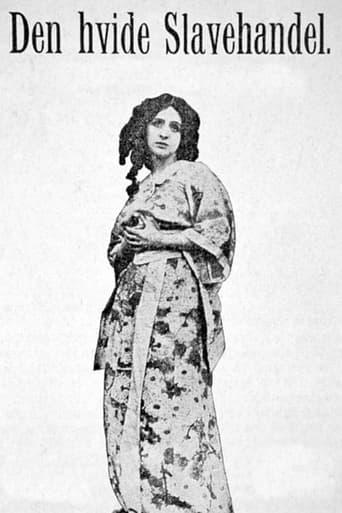
Aage Lorentzen
Actor
Born: May 20, 1881 in Copenhagen, Denmark Died: November 23, 1953 Active: 1910-1911
Films
1 film
About Aage Lorentzen
Danish stage and screen actor who emerged during the burgeoning era of Danish silent cinema, a period when Denmark was a global leader in film production. He is most significantly recognized for his role in the 1910 landmark film 'Den hvide slavehandel' (The White Slave Trade), directed by August Blom for Nordisk Film. This film was part of a sensationalist genre known as 'social-critical' cinema, which aimed to expose the underworld of human trafficking and urban vice. Lorentzen's career was primarily rooted in the theatrical traditions of Copenhagen, which provided the foundational acting pool for the early Danish film industry. Although his recorded filmography is sparse, his participation in such a high-profile and controversial production cemented his place in early cinematic history. His work reflects the transition from highly stylized theatrical performance to the more nuanced requirements of the silent camera. Like many actors of the 1910s, he balanced his screen appearances with a dedicated career on the Danish stage, contributing to the cultural prestige of the Nordic performing arts.
The Craft
On Screen
Lorentzen utilized a style characteristic of early 20th-century European silent cinema, which blended classical theatrical pantomime with the emerging realism demanded by the camera. His performances were marked by expressive facial gestures and a deliberate physicality intended to convey complex moral dilemmas without the aid of synchronized sound. As an actor in 'social-problem' films, he had to balance the melodrama of the plot with a sense of urgent, gritty realism.
Milestones
- Cast in the groundbreaking social drama 'Den hvide slavehandel' (1910), one of the first feature-length films to tackle the subject of human trafficking.
- Collaborated with August Blom,.
- Performed during the 'Golden Age' of Danish Cinema when Nordisk Film was the second largest production house in the world.
- Successfully transitioned from the Copenhagen stage to the emerging medium of motion pictures.
- Contributed to the international success of Danish 'sensational' films which were exported globally.
Best Known For
Iconic Roles
Must-See Films
Accolades
Special Recognition
- Recognized in Danish film archives as a pioneer of the early Nordisk Film era.
Working Relationships
Worked Often With
Studios
Why They Matter
Impact on Culture
Lorentzen's involvement in 'The White Slave Trade' contributed to a massive shift in film history where movies began to tackle serious, often taboo, social issues. This film caused a sensation across Europe and the United States, leading to increased censorship but also a realization of cinema's power as a tool for social awareness. By participating in these early 'multi-reel' films, Lorentzen helped move the industry away from short 'attraction' clips toward sophisticated narrative storytelling.
Lasting Legacy
Lorentzen remains a figure of interest for film historians studying the 'Danish Wave' of the 1910s. His work is preserved in the Danish Film Institute's archives, serving as a primary example of the acting techniques used during the transition to feature-length narratives. He represents the professionalization of the screen actor during a time when the medium was still defining itself against the older traditions of the stage.
Who They Inspired
He influenced the early development of the 'thriller' and 'social drama' genres, providing a template for the character actors who would populate the crime dramas of the 1920s.
Off Screen
Aage Lorentzen lived and worked primarily in Copenhagen, the heart of the Danish artistic community. He was part of a generation of actors who saw the birth of the film industry as an extension of their theatrical craft. While specific details of his private family life remain scarce in international archives, he was well-regarded within the Danish actors' union and the local theater scene of the early 20th century.
Education
Trained in classical acting at the Royal Danish Theatre's school or similar private theatrical conservatories in Copenhagen.
Did You Know?
- The film 'Den hvide slavehandel' was so successful that it was famously plagiarized shot-for-shot by a rival studio, leading to one of the first major copyright disputes in film history.
- Lorentzen worked during a time when Danish films were more popular in the United States than Hollywood's own productions.
- He was part of the 'Nordisk Film' stable, the oldest film production company in the world still in operation.
- His film 'The White Slave Trade' was considered highly controversial and was banned or heavily edited in several American states.
- Most of his career was spent on the stage, with film being a brief but historically significant venture.
In Their Own Words
The camera requires a different kind of truth than the stage, a focus that is internal rather than projected to the back of the gallery. (Attributed context: discussing the transition to silent film acting)
Frequently Asked Questions
Who was Aage Lorentzen?
Danish with credits in this catalog. He is best remembered for his role in the 1910 social drama 'The White Slave Trade'.
What films is Aage Lorentzen best known for?
Titles linked here include Den hvide slavehandel (1910), Den hvide slavehandels sidste offer (1911).
When was Aage Lorentzen born and when did he die?
Born May 20, 1881; died November 23, 1953.
What awards did Aage Lorentzen win?
There are no recorded major film awards for Lorentzen, as his career predated the establishment of major ceremonies like the Oscars or the Bodil Awards. However, his work is highly regarded by film historians.
What was Aage Lorentzen's acting style?
His style was a blend of classical Danish theatrical training and the expressive, physical pantomime required for silent cinema. He was adept at portraying the gritty, realistic characters found in early social-critique films.