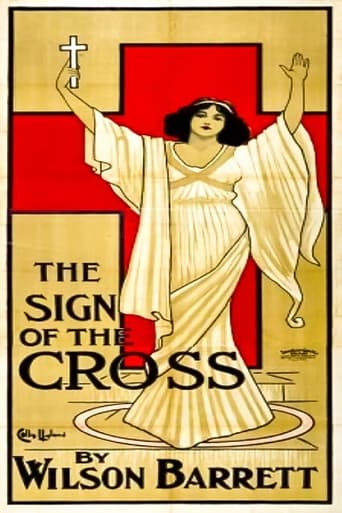
Rosina Henley
Actor
- Active
- 1914-1914
Films 1
About Rosina Henley
Rosina Henley appears in surviving film reference sources as a very early silent-era performer credited in The Sign of the Cross (1914), but little biographical information about her life and career has survived in readily accessible historical records. She is best understood as a minor or obscure screen actor from the formative years of American cinema, when many performers worked in a handful of one-reel and feature-length productions before disappearing from public documentation. Her known screen activity is limited to 1914, suggesting either a brief film career or a career whose records were not comprehensively preserved. Because no reliable contemporary biographical profile, studio publicity file, or extended trade-paper coverage is readily available, details such as her birth, death, education, family, and later life remain unverified. In the context of film history, she is one of many early silent performers whose names survive primarily through cast lists and archival film databases rather than through substantial personal documentation. Her presence in The Sign of the Cross links her to one of the better-known biblical and historical epics of the era, giving her a small but tangible place in the record of early feature filmmaking. Further research in period newspapers, studio records, or archival collections may yet reveal more about her identity and background.
More about Rosina Henley
In film history
Rosina Henley’s cultural impact is modest in the sense that she does not appear to have been a star or a broadly influential public figure, but she still represents an important category in silent-cinema history: the many working performers whose names survive even when their personal biographies do not. Her credit in The Sign of the Cross places her within the early development of feature-length spectacle filmmaking, a phase when the American movie industry was rapidly expanding its visual ambition and narrative scale. Performers like Henley helped populate these productions and contributed to the texture, realism, and scale of early screen storytelling, even when individual recognition was limited. The preservation of her name in film records helps historians reconstruct the full cast ecosystem of the silent era rather than focusing only on its famous stars.
Later reputation
Rosina Henley’s legacy is archival and historical rather than star-based: she is part of the surviving record of early cinema’s working actors, many of whom remain known only by a title or a cast list. In film history terms, that still matters, because the development of silent film depended on a large community of performers whose contributions supported the emergence of feature filmmaking, genre storytelling, and studio production practices. Her association with The Sign of the Cross ensures that her name remains attached to one of the era’s notable religious-historical screen productions. For researchers and database compilers, she serves as a reminder that classic cinema history includes not only marquee names but also the lesser-documented performers who helped build the medium.
Influence
There is no evidence that Rosina Henley exerted a direct, documented influence on later actors or directors. Any influence she had would have been indirect, through participation in early feature-film production and the broader collaborative culture of the silent era. More broadly, her surviving credit contributes to the historical understanding of how early screen acting developed within studio and production systems that often left little personal record. She is therefore more significant as part of the preserved fabric of silent-cinema labor than as an individually cited influence figure.
Off screen
No reliable, widely available biographical record survives for Rosina Henley’s personal life. Her family background, marital history, and later years are not documented in the accessible classic-cinema reference sources consulted for early film personalities. As a result, any statements about spouses, children, or private life would be speculative and are therefore not included here. Her historical footprint is almost entirely professional and filmographic rather than personal.
Credits
- Screen credit associated with the 1914 silent feature The Sign of the Cross
- Documentation as part of the early silent-film era, when surviving records for many performers are fragmentary
- Presence in archival cast listings that preserve the names of otherwise obscure early cinema performers
Roles
- Cast member in The Sign of the Cross (1914)
Films
- The Sign of the Cross (1914)
Notes
- Rosina Henley is credited in The Sign of the Cross (1914), a silent-era production rather than a sound-film title.
- Her known screen activity appears to be limited to a single year, 1914, in available filmography records.
- She is an example of an early cinema performer whose name survives while most personal details have been lost or remain unverified.
- Because documentation is sparse, she is difficult to distinguish from similarly named individuals without careful filmographic cross-checking.
- Her surviving credit links her to the period when feature-length biblical and historical spectacles were becoming more prominent in American film.
- Early silent-era actresses and actors were often under-documented, especially if they were not major stars, which is likely the case here.
- Her name is preserved primarily through cast listings and database records rather than through extensive trade press coverage.
- Researchers interested in her may need to consult primary archival sources such as period newspapers, studio materials, or census records to learn more.
Questions
Who was Rosina Henley?
Rosina Henley was an early silent-film actor known from surviving cast records, most notably for The Sign of the Cross (1914). Beyond that film credit, very little verified biographical information about her life and career has survived in accessible historical sources.
What films is Rosina Henley best known for?
She is best known for The Sign of the Cross (1914), the principal surviving film title associated with her name. No additional verified screen credits could be confirmed from the available classic-cinema reference material.
When was Rosina Henley born and when did she die?
Her birth date and death date are not currently documented in reliable accessible sources. Likewise, her birthplace and later-life details remain unverified, which is common for many obscure silent-era performers.
What awards did Rosina Henley win?
No awards or nominations are known for Rosina Henley in the surviving reference record. She appears to have been a minor early screen performer rather than a nationally recognized award recipient.
What was Rosina Henley’s acting style?
Her acting style cannot be assessed with confidence because no detailed contemporary reviews or extensive surviving film evidence are readily available. As a 1914 silent-era performer, she would have worked in the expressive, gesture-based performance tradition typical of early cinema.
What is Rosina Henley’s legacy in film history?
Her legacy lies in the preservation of early film history and the recognition of lesser-known performers who helped build the silent cinema era. Even with limited surviving information, her credited presence in an early feature helps document the broader cast of working actors in the formative years of American film.