Lila Barclay
Actor
- Active
- 1914-1914
Films 1
About Lila Barclay
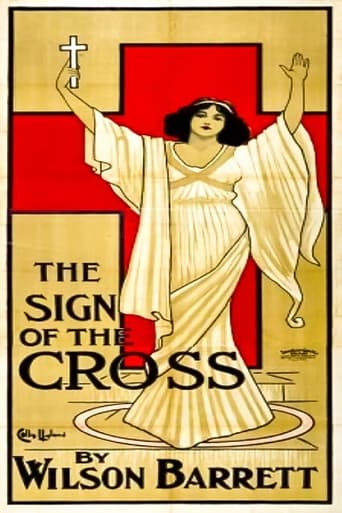
Lila Barclay is an obscure silent-era screen performer whose surviving film record is extremely limited and, in standard reference sources, largely confined to a single credited appearance in the 1914 Bible epic The Sign of the Cross. Because extant documentation on her life is scarce, much of her career remains undocumented, which is common for many early film actors whose work predates comprehensive studio record-keeping and whose names did not remain prominent in later histories. She appears to have been active only in the early 1910s, during a formative period for American cinema when Biblical spectacles, costume dramas, and short subjects were helping define feature-length filmmaking. No reliable contemporary sources currently establish her birth, death, training, family background, or whether the screen name was used in stage work or other theatrical appearances. Her historical significance lies less in a large body of work than in her presence within one of the notable prestige productions of the silent era, a film associated with the larger development of epic religious pictures. As a result, Lila Barclay is best understood as a little-documented participant in early Hollywood's transitional years rather than as a widely chronicled star. Her surviving screen credit makes her a footnote in the history of The Sign of the Cross and in the broader study of lost or sparsely documented silent-era performers.
More about Lila Barclay
In film history
Lila Barclay's cultural impact is primarily archival rather than celebrity-driven, reflecting the large number of early film performers whose names survive in credits even when their biographies do not. Her presence in The Sign of the Cross connects her to the era when American filmmakers were experimenting with large-scale religious and historical subjects as a way to elevate motion pictures into a prestige medium. For film historians, such performers are important because they help reconstruct the social and industrial fabric of early cinema, even when no personal star persona survives. In that sense, Barclay contributes to our understanding of how the silent film industry relied on a broad ensemble of working actors whose careers were often brief, under-publicized, and difficult to trace.
Later reputation
Lila Barclay's legacy lies in the fact that she is preserved, however minimally, in the historical record of silent cinema. Her name attached to The Sign of the Cross provides a small but meaningful trace of the many actors whose work helped build the early feature film era before publicity systems and archival preservation became standardized. For researchers, she represents the kind of elusive performer whose identity prompts further archival inquiry into studio records, trade papers, and local theater histories. Even without a documented star career, her inclusion in film history underscores the importance of cataloging every credited participant in early cinema.
Influence
There is no documented evidence that Lila Barclay directly influenced later actors or filmmakers in the way major stars or directors did. Her broader influence is indirect: she is part of the collective body of silent-era performers whose work established the conventions of screen acting, ensemble performance, and historical spectacle. By participating in early Biblical filmmaking, she belonged to a wave of actors contributing to the visual language and scale that later epics would refine. Her name endures as part of the foundational workforce of cinema rather than as a widely recognized influence on later generations.
Off screen
No reliable biographical records currently available in standard film references document Lila Barclay's personal life, including marriages, family background, residence, or later-life activities. Given the scarcity of surviving information, it is not possible to confirm whether she continued in theater, film, or left entertainment entirely after 1914. Her private life remains effectively undocumented in the historical record accessible through commonly used cinema databases and reference compilations.
Credits
- Appeared in the 1914 silent film The Sign of the Cross, an early Biblical spectacle of the silent era
- Represents one of the many lesser-documented performers who contributed to early feature filmmaking during the 1910s
- Her credited screen presence places her within the historical development of prestige religious dramas in American silent cinema
Roles
- Performer in The Sign of the Cross (1914)
Films
- The Sign of the Cross (1914)
Notes
- Lila Barclay is chiefly documented today through her credit in The Sign of the Cross (1914).
- Her known filmography is so limited that she is considered an obscure figure in silent film history.
- No widely accepted birth or death details have been established for her in standard public reference sources.
- She appears during a period when many actors worked in a small number of productions and then disappeared from the record.
- The Sign of the Cross was part of the wave of early Biblical and historical spectacles that helped legitimize feature-length cinema.
- Her surviving credit makes her a useful example of the many semi-lost performers of the silent era.
Questions
Who was Lila Barclay?
Lila Barclay was a silent-era actor whose surviving film record is very limited and is chiefly associated with The Sign of the Cross (1914). She is one of many early cinema performers whose names remain in cast listings even though their broader biographies are poorly documented.
What films is Lila Barclay best known for?
She is best known for The Sign of the Cross (1914), which is the only reliably documented screen credit commonly associated with her. At present, no additional confirmed film appearances are widely established in standard reference sources.
When was Lila Barclay born and when did she die?
Her birth and death dates are not currently confirmed in reliable public film references. Likewise, her birthplace and other vital statistics remain unavailable from the accessible historical record.
What awards did Lila Barclay win?
No awards or formal honors are currently documented for Lila Barclay. This is not unusual for a performer from the earliest years of cinema, especially one whose surviving record is limited to a small number of credits.
What was Lila Barclay's acting style?
No detailed descriptions of her acting style survive in the available record. Since she worked in silent cinema, her performance would have relied on the expressive physical and facial techniques typical of the era, but no specific critical commentary is currently known.
What is Lila Barclay's legacy?
Her legacy is primarily historical and archival: she is part of the early silent-film workforce whose contributions helped shape the medium. Even though little personal information survives, her credit in a major 1914 production ensures that she remains part of film history.