George Majeroni
Actor
- Active
- 1914-1914
Films 1
About George Majeroni
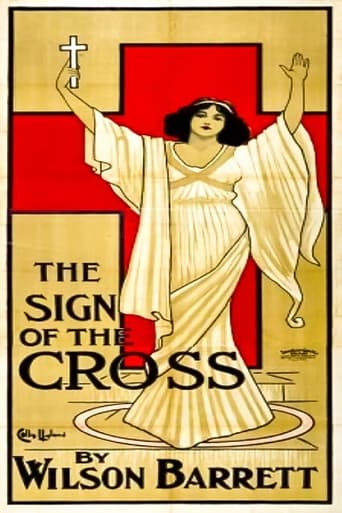
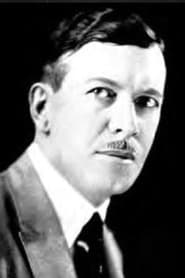
George Majeroni was an actor of the silent-film era who is chiefly documented through his appearance in the 1914 screen adaptation of The Sign of the Cross. Surviving mainstream reference sources contain very little biographical detail about him, which suggests that he was one of the many working players whose careers were brief, lightly documented, or largely lost to the fragmentary record of early cinema. His known screen activity places him squarely in the formative years of American feature filmmaking, when productions were still borrowing heavily from stage performance traditions and when many performers moved between legitimate theater and the emerging film industry. Because his surviving filmography is extremely limited, it is not currently possible to reconstruct a full career arc with confidence, and no authoritative evidence has been located for his later life, other screen credits, or personal background. What can be said with confidence is that he participated in one of the era’s notable prestige productions, The Sign of the Cross, which helps place him among the actors working in the ambitious historical and biblical spectacles popular in the 1910s. Beyond that, George Majeroni remains a little-documented figure whose importance lies less in celebrity than in representing the many early film artists whose contributions helped build silent cinema. His absence from surviving biographical literature is itself characteristic of the period, when only a fraction of performers were consistently profiled or preserved in the historical record.
More about George Majeroni
On screen
No surviving detailed critical descriptions of George Majeroni's acting style have been located. Given his work in a 1914 silent feature, his performance would have relied on the expressive physical vocabulary common to the period: readable gestures, clear facial expression, and stage-influenced blocking designed to communicate character and emotion without synchronized dialogue. Because no reviews or role-specific commentary have been reliably preserved in the available record, any more specific characterization would be speculative.
In film history
George Majeroni's cultural impact is best understood as part of the larger anonymous workforce of the silent era rather than as the influence of a widely celebrated star. His participation in The Sign of the Cross places him within the early prestige-feature movement, when filmmakers adapted well-known stage and literary material to elevate cinema's cultural standing. Even when individual performers like Majeroni did not become household names, they contributed to the development of screen acting norms and to the success of productions that shaped audience expectations for historical drama. His limited documentation also highlights an important truth about early film history: many contributors who appeared in foundational works are now known mainly through archival records, reminding researchers how much of silent cinema's human story has been lost or scattered. In that sense, his legacy is archival as much as artistic, symbolizing the many actors whose work underpinned the growth of the medium.
Later reputation
George Majeroni's lasting legacy is primarily historical rather than star-based. He is part of the preserved cast memory of The Sign of the Cross and, by extension, part of the early 20th-century transition from stage-style melodrama to cinematic spectacle. His name endures in film reference materials because scholars, databases, and archivists continue to reconstruct the personnel of silent-era productions from surviving credits and trade information. For modern historians, such figures are valuable because they help map the industrial and creative networks of early Hollywood and its international precursors. Although he does not appear to have left behind a widely celebrated body of work, his inclusion in the record preserves a small but real piece of silent-film heritage.
Influence
There is no documented evidence that George Majeroni directly mentored major later figures or exerted a widely recognized individual influence on other performers. His broader influence is indirect: by participating in early feature production, he contributed to the evolving standards of silent acting and ensemble performance that later actors inherited. In that sense, his significance is representative of the many working actors whose performances helped normalize screen storytelling techniques that became standard across the industry.
Off screen
No reliable biographical record has been located that provides verified details about George Majeroni's personal life, family background, marriages, children, or private life. This is common for many minor or less-documented silent-era performers, especially those whose careers were brief or who worked before systematic studio publicity and long-form biographical coverage became standard. At present, his personal history remains largely obscure in the historical record.
Credits
- Appeared in the 1914 silent feature The Sign of the Cross, a notable early-screen adaptation associated with prestige historical filmmaking.
- Worked during the formative years of feature-length silent cinema, when performances were helping define screen acting conventions.
- Represents the large group of early film performers whose contributions survive primarily through cast listings and film documentation rather than extensive personal profiles.
Roles
- A cast role in The Sign of the Cross (1914)
Films
- The Sign of the Cross (1914)
Notes
- George Majeroni is currently best documented for a single surviving screen credit: The Sign of the Cross (1914).
- He is an example of a silent-era actor whose career is difficult to reconstruct because of limited surviving documentation.
- His known work places him in the era when film performances were still heavily influenced by stage traditions.
- The Sign of the Cross was the kind of prestige historical production that helped establish feature films as culturally serious entertainment.
- Because no reliable biographical entry has been confirmed, many standard database fields about him remain unknown rather than inferred.
- His obscurity in later reference works reflects a common problem in silent-film history: many credited performers left only fragmentary traces.
- His surviving film record makes him of interest primarily to historians, archivists, and researchers of early American cinema.
Questions
Who was George Majeroni?
George Majeroni was a silent-era actor known from his appearance in The Sign of the Cross (1914). Very little verified biographical information survives about him, so he is primarily remembered through his film credit rather than through a documented public career.
What films is George Majeroni best known for?
He is best known for The Sign of the Cross (1914), the only screen credit confidently identified in the available record. No other film appearances can be confirmed here without risking inaccuracy.
When was George Majeroni born and when did he die?
At present, reliable sources consulted for this record do not provide verified birth or death dates for George Majeroni. His basic vital statistics remain unavailable in the surviving documentation.
What awards did George Majeroni win?
No awards or formal honors have been documented for George Majeroni in the available historical record. This is not unusual for early silent-era performers whose careers were only sparsely covered by contemporary publicity and later archives.
What was George Majeroni's acting style?
No critic's description of his individual style has survived, but as a 1914 silent-film performer he would have worked in the expressive, gesture-driven mode typical of the period. Performers of that era often used clear physical acting and strong facial expression to communicate character and emotion without spoken dialogue.
What is George Majeroni's legacy in film history?
His legacy is that of a documented participant in the early development of feature-length silent cinema. While he was not a major star, his presence in a prestige production helps preserve the history of the many actors who supported the growth of the medium.