
Ethel Phillips
Actor
- Active
- 1914-1914
Films 1
About Ethel Phillips
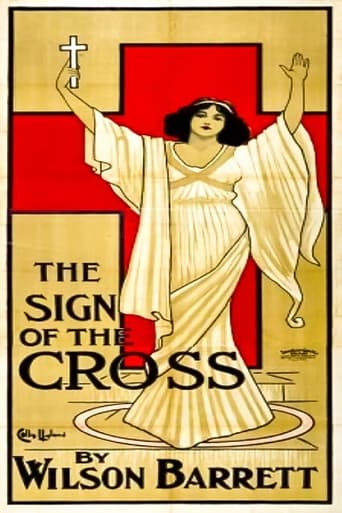
Ethel Phillips was a silent-era screen performer whose documented film career is extremely brief and, based on surviving filmography records, appears to have been limited to the 1914 period. She is specifically credited as an actor in The Sign of the Cross (1914), one of the many early screen adaptations associated with the grand historical and biblical spectacles that flourished in the mid-1910s. Beyond this credit, there is very little reliably preserved public information about her life, training, or later career, which is common for many early film players whose work predated the modern studio publicity system and whose records were not consistently archived. Because of that scarcity, her biography is largely reconstructed from surviving film documentation rather than from extensive contemporary biographical sources. No verified evidence has been located to confirm additional roles, later screen appearances, stage work, or post-film career activities. As a result, she is best understood as one of the many early cinema performers whose contribution survives primarily through a single credited appearance in the historical record. Her presence in The Sign of the Cross places her within the formative years of American feature filmmaking, when many actors worked on ephemeral productions that helped define silent-era screen acting and screen spectacle.
More about Ethel Phillips
In film history
Ethel Phillips's cultural impact is difficult to measure in the conventional sense because the surviving record for her career is extremely limited. Even so, her credited presence in The Sign of the Cross connects her to the early development of American feature film, particularly the large-scale historical and religious dramas that were becoming a popular attraction in the silent period. Performers like Phillips contributed to the labor and texture of these productions, helping establish the ensemble approach that gave early spectacle films their scale and visual credibility. While she does not appear to have achieved a widely documented celebrity, her work remains part of the broader historical fabric of silent cinema and the many unheralded players who shaped it.
Later reputation
Her legacy lies primarily in her documentation as an early silent-film actor rather than in a large surviving body of work. For film historians and database researchers, she represents the many lesser-known performers whose names are preserved in cast lists even when detailed biographical data has been lost. The fact that she is associated with The Sign of the Cross gives her a small but meaningful place in the history of early American screen epics. Her record also underscores the archival fragility of silent cinema, where countless contributors are known only by fragmentary film credits. In that sense, she stands as part of the historical record of the medium's formative years and the many artists whose contributions were essential but seldom individually celebrated.
Influence
There is no verifiable evidence that Ethel Phillips directly influenced later actors, directors, or performance traditions in a documented way. Her importance is instead indirect: as one of the many early screen performers who participated in silent-era production, she contributed to the collective development of film acting before standardized screen performance styles fully emerged. For modern researchers, her name helps illuminate the breadth of personnel involved in early film production and the degree to which the industry relied on a large, often anonymous pool of actors.
Off screen
No reliable biographical record has been located that documents Ethel Phillips's personal life, including family background, marriage, children, residence, or later life. Early silent-era performers who left only a small film footprint were often not profiled in trade publications unless they achieved major stardom, so many such details were never recorded in a durable way or have not survived. At present, there is no verified information that can be cited confidently about her private life.
Credits
- Credited screen appearance in The Sign of the Cross (1914)
- Participation in one of the early feature-length biblical/historical productions of the silent era
- Documented as part of the early 1910s American silent-film workforce
Roles
- Role in The Sign of the Cross (1914) - specific character name not reliably documented
Films
- The Sign of the Cross (1914)
Notes
- She is currently identifiable in surviving records primarily through a single known credit.
- Her documented film work falls in 1914, the same year The Sign of the Cross was released.
- She appears in the historical record as an early silent-era performer, a period in which many actors left very few traceable biographical details.
- Her surviving credit places her in the era of early feature-length spectacle filmmaking.
- Because her record is so sparse, she is a useful example of how much silent-era cast information has been lost or remains incomplete.
- No verified awards, interviews, or later-career publicity have been located for her.
Questions
Who was Ethel Phillips?
Ethel Phillips was a silent-era actor known from surviving film records, with a documented credit in The Sign of the Cross (1914). Very little else has been reliably preserved about her life or career, which is common for many early film performers.
What films is Ethel Phillips best known for?
She is best known for The Sign of the Cross (1914), which is the only verified film credit currently associated with her in surviving records. No other confirmed titles have been established with confidence.
When was Ethel Phillips born and when did she die?
Her birth and death dates are not reliably documented in the available historical record. Likewise, her birth place and other personal biographical details have not been confirmed from dependable sources.
What awards did Ethel Phillips win?
No awards or nominations have been verified for Ethel Phillips. This is not unusual for early silent-era performers whose careers predated modern awards culture and who may not have had extensive surviving publicity records.
What was Ethel Phillips's acting style?
No contemporary description of her acting style has been reliably preserved. Given her era, she would have performed in the expressive visual mode typical of silent cinema, but any more specific characterization would be speculative.
What is Ethel Phillips's legacy in film history?
Her legacy is primarily archival: she is part of the surviving cast history of early American silent film. Even with limited biographical detail, her credit helps document the personnel who contributed to the development of feature filmmaking in the 1910s.