
Ebba Thomsen
Actor
Born: February 3, 1887 in Copenhagen, Denmark Died: December 18, 1973 Active: 1913-1916 Birth Name: Ebba Marie Thomsen
Films
2 films
About Ebba Thomsen
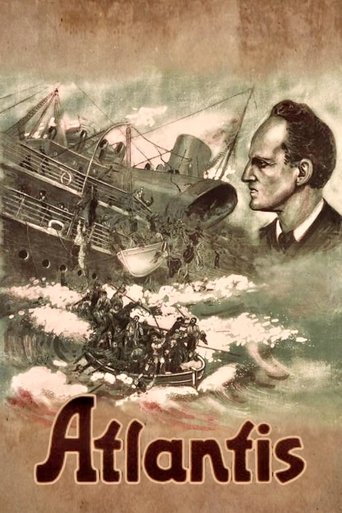
Prominent Danish silent film actress who rose to prominence during the golden age of Danish cinema in the early 1910s. Born in Copenhagen in 1887, she began her film career with Nordisk Film, Denmark's leading film production company of the era. Her breakthrough role came in 1913 with 'Atlantis,' directed by August Blom, which was one of the first Danish feature films to gain international recognition. Thomsen quickly became one of Nordisk's most reliable leading ladies, known for her expressive performances and natural screen presence. She worked with many of Denmark's directors during her brief but impactful career. Her most significant films include 'Atlantis' (1913) and 'Verdens Undergang' (The End of the World, 1916), both directed by August Blom. Despite her relatively short film career spanning only from 1913 to 1916, Thomsen left a lasting mark on Danish cinema history as one of the era's notable leading actresses. After retiring from films, she largely disappeared from public life, leaving behind a legacy of important contributions to early Scandinavian cinema.
The Craft
On Screen
Ebba Thomsen was known for her naturalistic acting style in an era when many silent film performers relied on exaggerated gestures. Her performances were characterized by subtle facial expressions and emotional depth that resonated with audiences. She brought a sense of authenticity to her roles, particularly in dramatic scenes requiring emotional vulnerability. Thomsen's screen presence was often described as gentle yet compelling, allowing her to effectively portray both innocent and complex characters. Her acting approach helped transition Danish cinema toward more realistic performances, influencing the style of Scandinavian silent films.
Milestones
- Breakthrough role in 'Atlantis' (1913)
- Leading actress at Nordisk Film
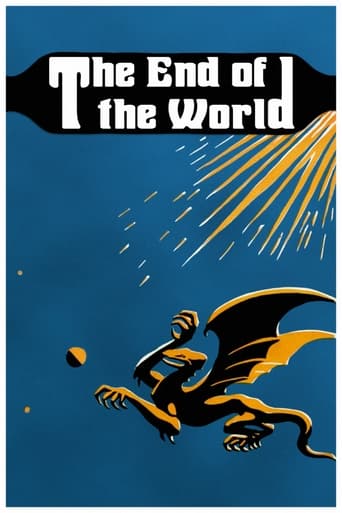
- Starred in 'The End of the World' (1916)
- Part of Denmark's golden age of silent cinema
- Worked with director August Blom
Best Known For
Iconic Roles
Must-See Films
Accolades
Special Recognition
- Recognized as a figure in Danish silent cinema
- Featured in Danish film retrospectives and historical exhibitions
Working Relationships
Worked Often With
Studios
Why They Matter
Impact on Culture
Ebba Thomsen played a significant role in establishing Danish cinema as an international force during the silent era. Her work in 'Atlantis' helped demonstrate that Danish films could compete with those from larger European film industries. The film's success abroad, particularly in Germany and the United States, opened doors for other Danish actors and directors. Thomsen's naturalistic acting style influenced the development of more realistic performances in Scandinavian cinema, moving away from the theatrical traditions that dominated early film. Her collaborations with Nordisk Film contributed to the company's reputation as one of Europe's leading production studios during the 1910s.
Lasting Legacy
Ebba Thomsen's legacy endures through her contributions to Danish film history during its most innovative period. Though her career was brief, her performances in landmark films like 'Atlantis' and 'The End of the World' have been preserved and studied by film historians interested in early Scandinavian cinema. She represents the generation of actors who helped establish film as a serious art form in Denmark. Her work is frequently featured in retrospectives of Danish silent cinema, and she is remembered as one of the important female figures of early European film. Modern film scholars often cite her as an example of the sophisticated acting techniques developing in Danish cinema before World War I.
Who They Inspired
Thomsen influenced subsequent generations of Danish actors through her naturalistic approach to film performance. Her work demonstrated that subtle, emotionally nuanced acting could be effective on screen, helping move Danish cinema away from theatrical traditions. Her success in internationally distributed films helped pave the way for other Scandinavian actors to gain recognition beyond their home countries. Contemporary Danish actresses studying silent film history often look to Thomsen's performances as examples of early cinematic realism. Her collaborations with August Blom also helped establish a model for director-actor partnerships that would influence Danish film production methods.
Off Screen
Ebba Thomsen maintained a relatively private life outside of her film career. Born and raised in Copenhagen, she entered the film industry during its formative years in Denmark. After her brief but notable acting career ended in 1916, she largely withdrew from the public eye. Details about her personal relationships and family life remain scarce, as was common for many early film actors who valued their privacy. She spent her later years in Copenhagen, where she lived until her death in 1973 at the age of 86.
Education
Limited information available about her formal education, which was typical for actors of her era who often entered the profession through theater connections or studio recruitment
Did You Know?
- 'Atlantis' (1913) was one of the first Danish films to achieve major international success
- She worked during what is considered the golden age of Danish silent cinema (1910-1918)
- Nordisk Film, her primary studio, was one of the world's first major film production companies
- Her career coincided with the peak of Danish film exports before World War I
- The End of the World (1916) was an ambitious science fiction film with apocalyptic themes
- Many of her films have been preserved in the Danish Film Institute's archives
- She was part of a generation of Danish actors who gained international recognition before Hollywood's complete dominance
- Her acting style was considered modern for its time, emphasizing subtlety over theatrical exaggeration
- The films she appeared in were among the first to feature location shooting and elaborate production design
- Her retirement from acting in 1916 coincided with the decline of Danish film's international prominence due to World War I
Frequently Asked Questions
Who was Ebba Thomsen?
Danish silent film actress active during the early 1910s, best known for her work with Nordisk Film in Denmark's golden age of cinema. She gained international recognition for her roles in 'Atlantis' (1913) and 'The End of the World' (1916), establishing herself as one of Denmark's prominent leading ladies of the silent era.
What films is Ebba Thomsen best known for?
Titles linked here include Atlantis (1913), The End of the World (1916).
When was Ebba Thomsen born and when did she die?
Born February 3, 1887; died December 18, 1973.
What awards did Ebba Thomsen win?
Ebba Thomsen did not receive formal awards during her career, as the film award system was not yet established during her active years in the early 1910s. However, she is recognized posthumously as a figure in Danish cinema history and is featured in film retrospectives and historical exhibitions celebrating early Scandinavian film.
What was Ebba Thomsen's acting style?
Ebba Thomsen was known for her naturalistic acting style, which was considered modern for the silent era. She emphasized subtle facial expressions and emotional depth rather than the exaggerated gestures common in early cinema. Her performances were characterized by authenticity and emotional vulnerability, helping establish more realistic acting techniques in Danish film.