
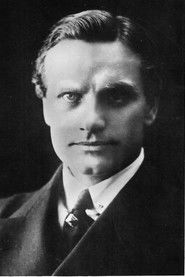
Robert Dinesen
Actor & Director
Born: October 19, 1874 in Copenhagen, Denmark Died: March 8, 1972 Active: 1910-1934 Birth Name: Robert Emil Dinesen
Films
2 films
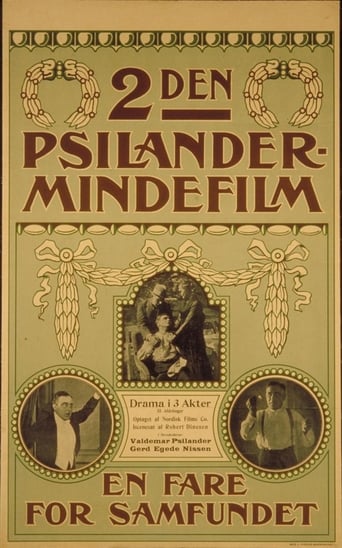
About Robert Dinesen
Danish actor and director who emerged during the nascent years of Scandinavian cinema in the early 20th century. Born in Copenhagen, Dinesen began his career on the Danish stage before transitioning to the burgeoning film industry in 1910. He made his film debut in Urban Gad's production 'The Abyss' (Afgrunden), which starred the Asta Nielsen and became early European films. Dinesen's brief but significant acting primarily the year 1910, during which he appeared in several Danish silent productions that helped establish the country's reputation for artistic filmmaking. After his acting career, Dinesen transitioned into directing, helming numerous films throughout the 1910s and 1920s, primarily working for Nordisk Film, one of Denmark's oldest and most prestigious production companies. His directorial work often explored themes of social drama and romance, contributing to the golden age of Danish silent cinema. Dinesen's career exemplifies the trajectory of many early film pioneers who evolved with the medium, moving from performance to behind-the-camera creative roles. Though his name is not as widely remembered as some of his contemporaries, his contributions to early Scandinavian cinema were significant.
The Craft
On Screen
Dinesen's acting style was typical of the early silent era, characterized by exaggerated gestures and dramatic expressions to convey emotion without dialogue. His performances in early Danish films demonstrated the theatrical influence common among actors transitioning from stage to screen, using broad physical movements and facial expressions to communicate with audiences.
Behind the Camera
As a director, Dinesen developed a more naturalistic approach that evolved with the medium. His films often focused on social dramas and romantic narratives, employing sophisticated camera techniques for the period. Dinesen demonstrated particular skill in creating atmospheric scenes and developing character-driven stories that resonated with Danish audiences.
Milestones
- Film debut in 'The Abyss' (1910)
- Transitioned from acting to directing in the 1910s
- Directed over 40 films during the silent era
- Worked extensively with Nordisk Film
- Contributed to Denmark's golden age of silent cinema
Best Known For
Iconic Roles
Must-See Films
Accolades
Special Recognition
- Recognized as a pioneer of Danish cinema
- Honored in Danish film retrospectives
Working Relationships
Worked Often With
Studios
Why They Matter
Impact on Culture
Robert Dinesen played a significant role in the establishment of Danish cinema as a major force in early European film. His participation in 'The Abyss' connected him to. As both actor and director, Dinesen contributed to the development of narrative techniques and visual storytelling methods that would influence filmmakers across Europe. His work during this period helped establish Denmark's reputation for producing high-quality, artistically ambitious films that competed successfully with productions from larger film industries.
Lasting Legacy
Robert Dinesen's legacy is preserved through his contributions to the foundation of Danish cinema, particularly during its golden age of silent film. While he may not be a household name today, film historians recognize his role in the development of Scandinavian cinema and his work in helping establish Nordisk Film as a major European production company. His films are occasionally featured in retrospectives of early Danish cinema, where they are studied for their historical significance and artistic merit. Dinesen represents the generation of artists who helped cinema evolve from a novelty attraction to a respected art form.
Who They Inspired
Dinesen influenced subsequent generations of Danish filmmakers through his work in establishing early narrative conventions and visual techniques. His transition from acting to directing provided a model for other film professionals seeking to expand their creative contributions to cinema. While specific direct influences on later filmmakers are difficult to trace, his participation in groundbreaking early films like 'The Abyss' contributed to a cinematic tradition that would influence directors worldwide.
Off Screen
Robert Dinesen led a relatively private life away from the spotlight, focusing primarily on his craft and contributions to early cinema. He witnessed the remarkable evolution of filmmaking from its primitive beginnings to the sophisticated art form it would become. Dinesen's long life spanned nearly a century, allowing him to see the profound changes in both cinema and society. He remained connected to the Danish film community throughout his life, serving as a living link to cinema's earliest days.
Education
Likely received theatrical training in Copenhagen prior to film career, though specific educational details are not well documented
Family
- Unknown - personal details limited
Did You Know?
- Appeared in 'The Abyss' (1910),
- The film 'The Abyss' was controversial for its time due to its depiction of sexuality
- Dinesen worked during the period when Denmark was one of the world's leading film-producing nations
- He lived to be 97 years old, witnessing nearly the entire history of cinema
- Directed films during World War I, a challenging period for European film production
- His active years covered the transition from short films to feature-length productions
- Worked primarily in Denmark but his films were distributed internationally
- Part of the first generation of film professionals who had no previous experience with the medium
- His directorial work often focused on middle-class Danish life and social issues
- Survived the transition from silent films to sound, though his directing career ended around the time sound became dominant
In Their Own Words
No documented quotes are available from Robert Dinesen, as was common for many early film professionals who left behind few personal writings or interviews
Frequently Asked Questions
Who was Robert Dinesen?
Danish actor and on YTB.my.' He began as an actor but transitioned to directing, making numerous films for Danish production companies, particularly Nordisk Film, during the 1910s and 1920s.
What films is Robert Dinesen best known for?
Titles linked here include The Abyss (1910), Manden med de ni Fingre I (1915).
When was Robert Dinesen born and when did he die?
Born October 19, 1874; died March 8, 1972.
What awards did Robert Dinesen win?
While Robert Dinesen did not receive major formal awards during his career, he is recognized by film historians as a pioneer of Danish cinema. His contributions are honored through retrospective screenings and academic study of early Scandinavian film, where his work is acknowledged for its historical and artistic significance.
What was Robert Dinesen's acting and directing style?
As an actor, Dinesen employed the theatrical style typical of early silent cinema, using exaggerated gestures and expressions. As a director, he evolved toward more naturalistic storytelling, focusing on social dramas and romances with sophisticated camera techniques for the period, contributing to Denmark's reputation for artistic filmmaking.