Roy Smeck
Actor
Born: February 6, 1900 in Reading, Pennsylvania, USA Died: April 5, 1994 Active: 1920s-1980s
Films
1 film
About Roy Smeck
Roy Smeck, born in Reading, Pennsylvania, was a musical virtuoso who became instrumentalists of the 1920s and 1930s, earning the nickname 'The Wizard of the Strings' for his extraordinary skill on guitar, banjo, ukulele, and Hawaiian steel guitar. While his 1926 film appearance in 'His Pastimes' represents his brief foray into cinema, Smeck's primary decades as a recording artist, performer, and instrument innovator who revolutionized string instrument technique. He began his professional career in vaudeville before transitioning to radio and recordings, becoming prolific instrumental artists of his era with hundreds of recordings for major labels like Victor and Decca. Smeck's technical innovations included new playing techniques and helping develop improved instrument designs, particularly for the Hawaiian steel guitar and ukulele. Throughout his career, he toured extensively, performed on radio programs, and later appeared on television, maintaining his popularity well into the 1960s and beyond. His influence extended beyond performance to education, as he published instructional books and methods that taught countless musicians his techniques. Smeck continued performing almost until his death in 1994, leaving behind a legacy as one of America's greatest multi-instrumentalists and a bridge between vaudeville entertainment and modern musical performance.
The Craft
On Screen
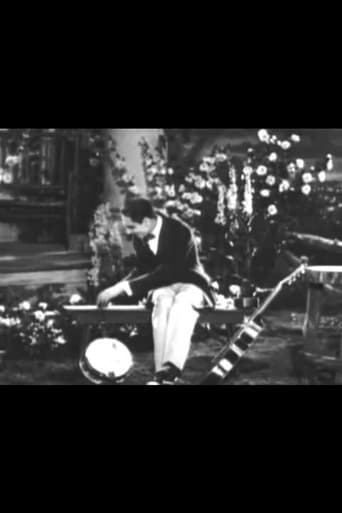
While primarily a musician rather than actor, Smeck's screen presence in 'His Pastimes' was characterized by his energetic performance style and showmanship, focusing on demonstrating his incredible musical abilities rather than dramatic acting. His approach to film performance was essentially an extension of his stage persona - emphasizing technical virtuosity and entertainment value through instrumental performance.
Milestones
- Starred in the short film 'His Pastimes' (1926) showcasing his musical talents
- Recorded over 200 sides for major record labels including Victor and Decca
- Became known as 'The Wizard of the Strings' for his instrumental prowess
- Developed and endorsed signature musical instruments including the Roy Smeck Vita-Uke
- Performed on major radio networks throughout the 1930s and 1940s
- Published instructional books and methods for guitar and ukulele
- Appeared on television variety shows in the 1950s and 1960s
- Toured nationally as a featured performer well into his 70s
Best Known For
Iconic Roles
Must-See Films
Accolades
Won
- Inducted into the Ukulele Hall of Fame (2000, posthumous)
- Inducted into the National Four-String Banjo Hall of Fame (1998, posthumous)
Special Recognition
- Hollywood Walk of Fame star (for contributions to recording industry)
- Honored by the Vintage Guitar Hall of Fame
- Recognized by the International Hawaiian Steel Guitar Hall of Fame
Working Relationships
Worked Often With
Studios
Why They Matter
Impact on Culture
Roy Smeck's cultural impact extended far beyond his brief film career, as he was instrumental in popularizing the ukulele and Hawaiian steel guitar in American popular music during the 1920s and 1930s. His virtuoso performances helped establish these instruments as legitimate solo instruments rather than merely accompaniment tools, influencing generations of musicians. Smeck's recordings and radio appearances brought sophisticated instrumental music to mainstream audiences, bridging the gap between classical technique and popular entertainment. His work in instrument design and endorsement helped shape the development of string instruments, particularly the ukulele, making them more accessible to amateur players. Through his instructional books and methods, Smeck democratized music education, allowing countless people to learn string instruments who might not have had access to formal training.
Lasting Legacy
Roy Smeck's legacy endures as one of America's greatest multi-instrumentalists and a pioneer in popularizing string instruments in the 20th century. His technical innovations and showmanship set standards for instrumental performance that influenced musicians across multiple genres. The instruments he helped design and endorse, particularly his signature ukuleles, remain sought after by collectors and players. Smeck's extensive recording catalog provides a valuable historical document of American popular music from the 1920s through the 1950s. His posthumous inductions into various halls of fame reflect the lasting respect he commands in the musical community. Perhaps most importantly, Smeck demonstrated that technical virtuosity and popular entertainment could coexist, paving the way for future instrumentalists to achieve both artistic credibility and commercial success.
Who They Inspired
Smeck influenced countless musicians through his recordings, performances, and instructional materials. His approach to multi-instrumental mastery inspired later artists like Chet Atkins and Les Paul. His ukulele playing technique directly influenced the development of the instrument's pedagogy, while his Hawaiian steel guitar work helped establish standards for the instrument's use in American popular music. Many contemporary ukulele revivalists cite Smeck as a primary influence, and his recordings continue to be studied by musicians interested in early 20th-century American instrumental music.
Off Screen
Roy Smeck was married twice during his lifetime. His first marriage was to Florence Smeck, with whom he had children. Later in life, he married Elizabeth Smeck, who remained his partner until his death. Despite his fame and extensive touring schedule, Smeck maintained a relatively private personal life, focusing primarily on his music career and family. He was known for his dedication to practicing and perfecting his craft, often spending hours daily honing his skills on various instruments.
Education
Self-taught musician with some formal training in music theory; studied various string instruments independently
Family
- Florence Smeck (1920s-1950s)
- Elizabeth Smeck (1960s-1994)
Did You Know?
- Was nicknamed 'The Wizard of the Strings' for his incredible technical ability
- Could play over 20 different instruments proficiently
- His film 'His Pastimes' (1926) was essentially a showcase for his musical talents
- Once performed for President Calvin Coolidge at the White House
- Sold over one million instructional books during his career
- Designed his own signature line of ukuleles and guitars
- Was one of the first musicians to use electric amplification on stage
- His hands were insured for $100,000 in the 1930s (equivalent to over $2 million today)
- Continued performing professionally into his 80s
- Appeared on The Ed Sullivan Show multiple times in the 1950s and 1960s
In Their Own Words
Practice makes perfect, but perfect practice makes for perfection.
The ukulele is not a toy - it's a serious musical instrument in the right hands.
Every instrument has its own voice, and my job is to make them all sing.
Frequently Asked Questions
Who was Roy Smeck?
American musical virtuoso known as 'The Wizard of the Strings' who gained fame in the 1920s-1940s for his extraordinary skill on multiple string instruments including guitar, banjo, ukulele, and Hawaiian steel guitar. While he appeared in the 1926 film 'His Pastimes,' his primary career was as a recording artist, performer, and instrument innovator who revolutionized string instrument technique and popularized these instruments in American culture.
What films is Roy Smeck best known for?
Titles linked here include His Pastimes (1926).
When was Roy Smeck born and when did he die?
Born February 6, 1900; died April 5, 1994.
What awards did Roy Smeck win?
Roy Smeck received posthumous recognition including induction into the Ukulele Hall of Fame in 2000, the National Four-String Banjo Hall of Fame in 1998, and earned a star on the Hollywood Walk of Fame for his contributions to the recording industry, cementing his status as a musical pioneer.
What was Roy Smeck's musical style?
Smeck's musical style was characterized by extraordinary technical virtuosity, rapid-fire picking, and the ability to seamlessly switch between multiple instruments with equal mastery. He blended elements of jazz, Hawaiian music, and popular tunes into a distinctive showmanship-focused performance style that emphasized both technical brilliance and entertainment value.