Sergey Slyotov
Actor
Born: 1901 in Moscow, Russian Empire Died: 1942 Active: 1924-1937 Birth Name: Sergey Ivanovich Slyotov
Films
3 films
About Sergey Slyotov
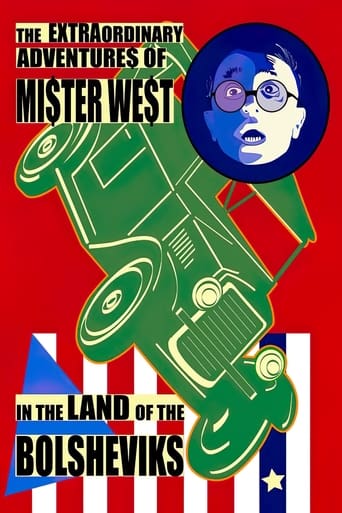
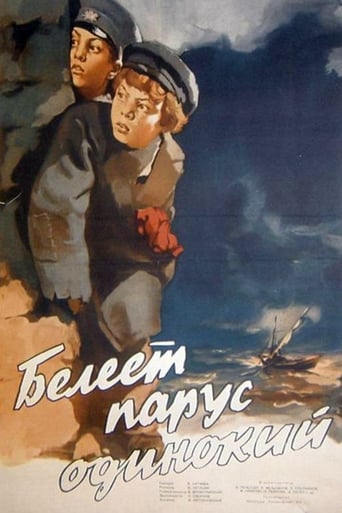
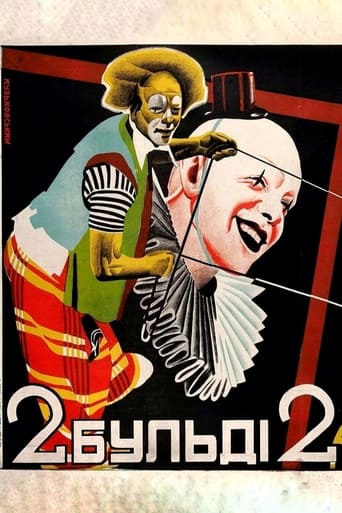
Soviet actor who emerged during the years of Soviet cinema, working primarily in the 1920s and 1930s. His career coincided with the golden age of Soviet silent film and the transition to sound cinema. He made his film debut in Lev Kuleshov's 1924 film 'The Extraordinary Adventures of Mr. West in the Land of the Bolsheviks,' which was one of the early Soviet satirical comedies. Throughout his career, Slyotov worked with some of the most innovative Soviet directors of the era, contributing to the development of Soviet cinematic language. His appearance in 'Two-Buldi-Two' (1929) showcased his versatility during the late silent period, while his role in 'The Lonely White Sail' (1937) demonstrated his adaptation to sound cinema. Though his filmography was relatively brief, spanning just over a decade, his contributions to early Soviet cinema were significant during a crucial period of artistic experimentation and political transformation in the USSR. His career trajectory reflects the broader evolution of Soviet cinema from experimental silent films to more ideologically driven sound productions of the Stalin era.
The Craft
On Screen
Sergey Slyotov's acting style was characteristic of the Soviet school of the 1920s, which emphasized physical expressiveness and exaggerated gestures suitable for silent cinema. His performances reflected the influence of the Kuleshov workshop, where actors were trained to convey complex emotions through minimal means. As Soviet cinema transitioned to sound, Slyotov adapted his style to incorporate more naturalistic delivery while maintaining the theatrical precision valued in early Soviet film acting. His work demonstrated the evolution from the montage-based acting of the silent era to the more psychologically nuanced performances required by sound cinema.
Milestones
- Debut in Lev Kuleshov's 'The Extraordinary Adventures of Mr. West in the Land of the Bolsheviks' (1924)
- Role in 'Two-Buldi-Two' (1929) during the transition period from silent to sound cinema
- Appearance in 'The Lonely White Sail' (1937), one of the significant Soviet sound films of the 1930s
Best Known For
Iconic Roles
Must-See Films
Working Relationships
Worked Often With
Studios
Why They Matter
Impact on Culture
Sergey Slyotov contributed to the formative years of Soviet cinema during a period when the medium was being used as both an artistic and ideological tool. His work in 'The Extraordinary Adventures of Mr. West in the Land of the Bolsheviks' placed him at the center of early Soviet attempts to create a distinct cinematic language separate from Hollywood conventions. As part of the Kuleshov collective, he participated in experiments that would influence film theory and practice worldwide, particularly regarding the relationship between actor performance and montage. His career trajectory from the experimental 1920s to the more controlled socialist realist productions of the 1930s mirrors the broader evolution of Soviet cinema and its relationship with the state.
Lasting Legacy
Though not widely known internationally, Sergey Slyotov represents the generation of Soviet actors who helped establish the foundation of Soviet film acting. His work in early Soviet films contributes to our understanding of how Soviet cinema developed its unique aesthetic and ideological approaches. The films he appeared in, particularly those directed by Lev Kuleshov, are studied by film scholars worldwide for their innovative techniques and their role in developing film theory. His career serves as a window into the challenges and opportunities faced by artists working in the Soviet Union during a period of tremendous cultural and political transformation.
Who They Inspired
As part of the early Soviet film community, Slyotov's work contributed to the development of the Kuleshov effect and other theoretical concepts that would influence international cinema. While not a major star, his performances helped establish acting conventions that would be adopted and adapted by subsequent generations of Soviet actors. His participation in groundbreaking films of the 1920s placed him within a movement that would eventually influence filmmakers and theorists around the world, including those in the French New Wave and other avant-garde cinema movements.
Off Screen
Limited information is available about Sergey Slyotov's personal life, which was common for many Soviet actors of his generation whose private details were not extensively documented. Like many artists working in the Soviet Union during the 1920s and 1930s, his life was likely affected by the political and social upheavals of the era, including Stalin's purges of the late 1930s. His death in 1942 occurred during World War II, a period when many Soviet citizens, including artists, faced extraordinary hardships.
Education
Likely trained at one of the early Soviet film schools or workshops, possibly under Lev Kuleshov's guidance
Did You Know?
- Appeared in one of Lev Kuleshov's most famous experimental films, which helped develop the concept of the 'Kuleshov effect'
- His active years covered the crucial transition from silent to sound cinema in the Soviet Union
- Worked during a period when Soviet cinema was producing some of its most innovative and internationally recognized works
- His filmography, though brief, includes films that are now considered classics of Soviet cinema
- Like many Soviet actors of his generation, his career was likely affected by the increasing state control over the arts in the 1930s
- Died during World War II, a period that disrupted the Soviet film industry and claimed many lives
Frequently Asked Questions
Who was Sergey Slyotov?
Soviet actor who worked during the 1920s and 1930s, appearing in several important early Soviet films including works by on YTB.my. His active years covered the transition from silent to sound cinema in the USSR.
What films is Sergey Slyotov best known for?
Titles linked here include The Extraordinary Adventures of Mr. West in the Land of the Bolsheviks (1924), Two-Buldi-Two (1929).
When was Sergey Slyotov born and when did he die?
Born 1901; died 1942.
What awards did Sergey Slyotov win?
There are no documented awards or honors for Sergey Slyotov, which was common for many Soviet actors of his generation, especially those who worked primarily in the 1920s and early 1930s.
What was Sergey Slyotov's acting style?
Slyotov's acting style reflected the Soviet school of the 1920s, emphasizing physical expressiveness and gesture for silent cinema, which he later adapted for sound films. He was influenced by the experimental techniques of the Kuleshov workshop.
Did Sergey Slyotov work with any famous directors?
Yes, Slyotov worked with Lev Kuleshov,.