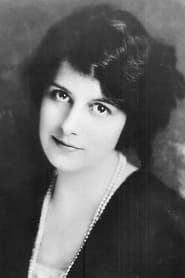
Alice Calhoun
Actor
Born: November 21, 1900 in Cleveland, Ohio, United States Died: June 3, 1966 Active: 1918-1934 Birth Name: Alice Beatrice Calhoun
Films
2 films
About Alice Calhoun
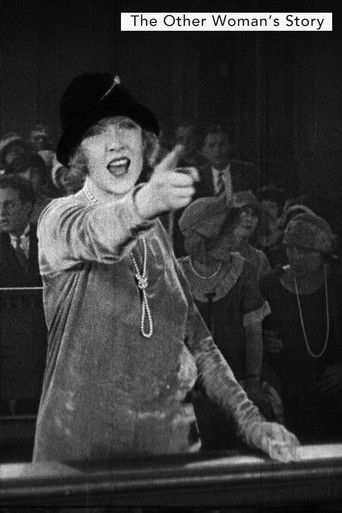
Alice Beatrice Calhoun — American silent film actress who rose to prominence during the early 1920s, becoming one of the era's recognizable leading ladies. Born in Cleveland, Ohio, she began her film career in 1918 after being discovered by a talent scout, quickly establishing herself as a versatile performer capable of handling both dramatic and comedic roles. Throughout the 1920s, she appeared in over 50 silent films, working with major studios including Universal Pictures and Fox Film Corporation, often playing sophisticated society women or adventurous heroines. Her performances in films like 'Flowing Gold' (1924) and 'The Other Woman's Story' (1925) showcased her ability to convey complex emotions without dialogue, a crucial skill in the silent era. Calhoun's career faced significant challenges with the transition to sound films in the late 1920s, as her voice and acting style were not well-suited to talkies, leading to a gradual decline in her film appearances by the early 1930s. Despite her relatively short period of stardom, she left a lasting impression on silent cinema and is remembered today as a representative figure of the glamorous yet transient nature of fame during Hollywood's golden silent era.
The Craft
On Screen
Alice Calhoun was known for her expressive eyes and subtle facial expressions, which were essential for conveying emotion in silent films. She possessed a natural elegance and grace that made her particularly well-suited for roles as sophisticated society women and romantic leads. Her acting technique emphasized physical expressiveness and nuanced gestures, allowing her to communicate complex character emotions without dialogue. Calhoun had a versatile range that enabled her to transition between dramatic roles and lighter comedic performances, though she was most celebrated for her dramatic work.
Milestones
- Film debut in 1918
- Leading lady status at Universal Pictures in early 1920s
- Starred in 'Flowing Gold' (1924)
- Featured in 'The Other Woman's Story' (1925)
- Transition to supporting roles in late 1920s
- Final film appearances in early 1930s
Best Known For
Iconic Roles
Must-See Films
Working Relationships
Worked Often With
Studios
Why They Matter
Impact on Culture
Alice Calhoun represents the archetype of the silent film actress whose career was ultimately defined by the transition to sound technology. Her work exemplifies the specific acting techniques and star qualities required for success in silent cinema, particularly the emphasis on visual storytelling and emotional expression through physical means. While she did not achieve the lasting fame of some of her contemporaries, Calhoun's career trajectory illustrates both the opportunities available to women in early Hollywood and the precarious nature of stardom during this transformative period in film history. Her films, though rarely screened today, remain valuable artifacts of silent era cinema and provide insight into the types of stories and female characters that appealed to audiences of the 1920s.
Lasting Legacy
Alice Calhoun's legacy lies primarily in her contribution to the silent film history, where she served as a representative example of the many talented actresses who found success during cinema's transitional decades. Though not as widely remembered as some of her more famous contemporaries, her body of work helps document the evolution of American cinema and the specific challenges faced by performers during the shift from silent to sound films. Film historians and silent cinema enthusiasts continue to study her performances as examples of the sophisticated acting techniques required in non-verbal storytelling. Her story also serves as a reminder of the many careers that were disrupted or ended by the technological revolution that brought sound to motion pictures.
Who They Inspired
While Alice Calhoun did not have a significant direct influence on subsequent generations of actors due to the limited preservation and circulation of her films, her work exemplified the professional standards and acting techniques that would later influence film performance more broadly. Her ability to convey complex emotions through subtle facial expressions and body language contributed to the development of the visual language of cinema. The challenges she faced during the transition to sound films also provided a cautionary tale for future performers about the importance of adaptability in an ever-changing industry.
Off Screen
Alice Calhoun's personal life was marked by two marriages and a gradual retreat from public life after her film career ended. She married director and producer Victor Adamson (also known by his pseudonym Denver Dixon) in 1925, during the height of her film career, but the marriage ended in divorce in 1928. In 1935, she married Robert G. Vantine, with whom she spent the remainder of her life. After retiring from films, Calhoun largely disappeared from public view and lived a quiet life in Los Angeles, rarely giving interviews or making public appearances. She had no children and spent her later years away from the Hollywood spotlight that had once made her a star.
Education
Limited information available about her formal education, though she likely attended local schools in Cleveland before beginning her film career
Family
- Victor Adamson (1925-1928)
- Robert G. Vantine (1935-1966)
Did You Know?
- Alice Calhoun was discovered by a talent scout while working as a department store model in Cleveland
- She appeared in over 50 films during her career, most of which are now considered lost
- Her marriage to Victor Adamson connected her to the world of low-budget Western film production
- She was one of many silent film stars whose career declined with the advent of sound pictures
- Calhoun was known for her distinctive dark hair and expressive eyes, which were often highlighted in studio publicity materials
- She briefly attempted a comeback in early sound films but was unsuccessful
- After retiring from films, she worked briefly as a real estate agent in Los Angeles
- Many of her films were produced on modest budgets, typical of the era's program pictures
- She was often typecast as the 'other woman' or romantic rival in melodramas
- Her final film appearance was in an uncredited role in 1934
In Their Own Words
Silent films required us to speak with our eyes and move with our hearts - words were unnecessary when the camera could see into your soul.
Frequently Asked Questions
Who was Alice Calhoun?
American silent film actress who was active primarily during the 1920s, appearing in over 50 films and serving as a leading lady for major studios like Universal Pictures and Fox Film Corporation.
What films is Alice Calhoun best known for?
Titles linked here include Flowing Gold (1924), The Other Woman's Story (1925).
When was Alice Calhoun born and when did she die?
Born November 21, 1900; died June 3, 1966.
What awards did Alice Calhoun win?
Alice Calhoun did not receive any major awards or significant nominations during her career, which was typical for many film actors of the silent era before the establishment of major award ceremonies.
What was Alice Calhoun's acting style?
Calhoun was known for her expressive eyes and subtle facial expressions, using physical expressiveness and nuanced gestures to convey emotions in silent films, with a particular talent for playing sophisticated society women and romantic leads.
Why did Alice Calhoun's career end?
Her career declined significantly with the transition to sound films in the late 1920s, as her acting style and voice were not well-suited to talkies, leading to fewer roles and eventual retirement from acting.
Was Alice Calhoun married?
Yes, she was married twice - first to director Victor Adamson from 1925 to 1928, and later to Robert G. Vantine from 1935 until her death in 1966.
What happened to Alice Calhoun after she left films?
After retiring from acting, Calhoun lived a quiet life in Los Angeles, briefly working as a real estate agent and largely avoiding the public eye, maintaining her privacy until her death in 1966.