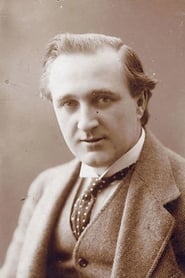
Robert Storm Petersen
Director
- Born
- September 19, 1882, Frederiksberg, Denmark
- Died
- March 6, 1949
- Active
- 1921-1921
- Birth name
- Robert Julius Thomson Petersen
Films directed 1
About Robert Storm Petersen
Robert Storm Petersen, better known by his professional name Storm P., was a Danish artist, humorist, illustrator, writer, and occasional filmmaker whose creative reputation far exceeded his tiny screen credit as a director. He is documented in film history chiefly for directing the short silent film "Professor Steinacks Metode el. Foryngelseskuren" in 1921, a work that fits his broader fascination with satire, comic observation, and visual wit. Storm P. was already a major public figure in Denmark before and during the silent era, celebrated for cartoons, comic strips, and stage and literary humor rather than for a sustained film career. His cinema activity appears to have been brief and specialized, making him an example of a multidisciplinary early-20th-century artist who moved fluidly between popular media. Because he is far more widely known as a caricaturist and cultural satirist than as a film director, the surviving film record is limited, but his screen work reflects the same ironic, inventive sensibility that made him a beloved Danish cultural icon. He belongs to the class of early cinema figures whose importance lies less in a large filmography than in the way their wider artistic influence intersected with film culture. His exact film work is sparse, but it remains a noteworthy footnote in Danish silent-film history.
More about Robert Storm Petersen
Behind the camera
Storm P.'s known film direction appears to have been rooted in visual comedy and satirical observation rather than in narrative realism or dramatic spectacle. As an artist and humorist, he was naturally inclined toward compact comic situations, caricature, and lightly absurd social commentary, qualities that likely shaped his approach to silent film. His single known directorial work suggests an experimental, novelty-driven style aligned with early silent comedy and the broader culture of illustrated humor. Because his filmography is extremely limited, any description of a larger directing method must remain cautious, but his wider artistic output strongly indicates an affinity for wit, visual invention, and gently subversive humor.
In film history
Storm P. is one of the foundational figures of modern Danish humor and graphic satire, and that cultural standing is the main reason his name continues to appear in film reference works despite a very small directorial footprint. His visual imagination, fondness for comic absurdity, and sharp but affectionate eye for human behavior helped define a distinctly Danish popular style of wit. In cinema history, he represents the crossover of cartoonist sensibility into silent film, where visual economy and physical comedy were especially valuable. Even though his screen directing is limited to a single known 1921 title, his broader fame helped connect film culture with Denmark's larger tradition of illustrated satire and comic storytelling. His influence can be felt more in national culture and popular humor than in a formal film school lineage, but that cultural presence has been durable and influential for generations.
Later reputation
His legacy in film history is modest in quantity but significant as part of the early 20th-century exchange between comics, illustration, theater humor, and silent cinema. He is remembered less as a career filmmaker than as a polymath whose artistic personality briefly entered the cinema world. In Denmark, however, Storm P. remains a major name: his cartoons, aphoristic humor, and visual inventions are still celebrated, and his reputation has become inseparable from the country’s cultural identity. The fact that he is indexed in film databases at all underscores the importance of cross-media artists in the silent era, when many creators contributed to film only episodically. His legacy is therefore twofold: a lasting position as a national humor icon and a small but noteworthy place in silent-film annals.
Influence
Storm P. influenced later Danish humorists, satirists, and cartoon artists through his blend of affectionate irony, social observation, and playful absurdity. In cinematic terms, his contribution lies in the broader idea that artists from illustration and satire could enrich film with a highly visual comic sensibility. His work helped reinforce the value of concise visual storytelling, a quality that was especially compatible with silent cinema. While he did not develop a large or formal directing career that would have created a recognizable school of followers, his cultural authority and style helped shape the atmosphere of Danish popular humor well beyond film.
Off screen
Robert Storm Petersen was a Danish-born artist whose public identity was strongly tied to his pen name, Storm P., under which he built his reputation in cartoons, humorous writing, and social satire. His personal life is better documented in the context of his broader artistic career than in relation to film, and he is remembered primarily as a public cultural personality rather than as a studio professional. Available classic-cinema sources do not provide extensive film-related details about his private family life, and his known screen work is too limited to connect him closely to the typical director-centric Hollywood-style biography. He remains an important figure in Danish cultural history for the breadth of his artistic output and the popularity of his humor.
Education
He received artistic training in Denmark, but the most widely cited accounts emphasize his self-developed talent, drawing ability, and early entry into illustration and humor rather than a formal film-school background.
Credits
- Directed the silent short film "Professor Steinacks Metode el. Foryngelseskuren" in 1921, his known film directorial credit
- Established himself as one of Denmark's most beloved satirists and cartoonists, widely known by the name Storm P.
- Created influential comic characters and observational humor that became deeply embedded in Danish popular culture
- Worked across multiple artistic media, including illustration, writing, stage humor, and visual satire
- Left a lasting cultural mark in Denmark that far outstripped his brief and specialized involvement in cinema
Roles
- Director of "Professor Steinacks Metode el. Foryngelseskuren"
Films
Honors
- Enduring national recognition in Denmark as a major humorist and cultural figure
- Posthumous stature as one of the most iconic Danish cartoonists and satirists of the 20th century
Collaborators
- Information on repeated film collaborators is not well documented in the surviving filmography
Studios
- Independent Danish production context
Family
- Margit Storm Petersen (married; dates not consistently documented in the available film-focused record)
Notes
- He is far better known as Storm P. than by his full birth name, Robert Storm Petersen.
- His filmography as a director is extremely small, with only one known directorial credit in 1921.
- He was a celebrated cartoonist and humorist before and after his film work, making cinema only one part of a much larger creative life.
- His comic sensibility was based on visual observation, exaggeration, and gentle satire, which translated naturally to silent-era entertainment.
- Storm P. became a major Danish cultural icon, and his name remains widely recognized in Denmark today.
- Because his film career was so limited, he is often discussed in general culture histories rather than in standard director biographies.
- He is an example of the many early 20th-century artists who moved across print, stage, literature, and film with ease.
Quotes
No reliably verified film-specific quotes attributable to Robert Storm Petersen are readily documented in standard classic-cinema references.
His reputation rests more on drawings, cartoons, and humorous sayings than on preserved on-screen dialogue or interview quotations.
Questions
Who was Robert Storm Petersen?
Robert Storm Petersen, known professionally as Storm P., was a Danish artist, humorist, illustrator, writer, and a very occasional filmmaker. In film history he is chiefly remembered for directing the 1921 silent short "Professor Steinacks Metode el. Foryngelseskuren," but his broader fame came from his cartoons and satirical work.
What films is Robert Storm Petersen best known for?
His best-known and essentially only documented directorial film credit is "Professor Steinacks Metode el. Foryngelseskuren" (1921). Outside cinema, he is far more famous for his cartoons, illustrations, and humorous writing than for any body of film work.
When was Robert Storm Petersen born and when did he die?
He was born on September 19, 1882, in Frederiksberg, Denmark, and died on March 6, 1949. His life and career were centered in Denmark, where he became a major cultural figure.
What awards did Robert Storm Petersen win?
No major film awards or nominations are prominently documented for his brief directing work. His recognition came instead through lasting public acclaim in Denmark, where he became one of the country's most beloved humorists and artists.
What was Robert Storm Petersen's directing style?
His known film work suggests a style shaped by visual comedy, satire, and comic observation. Given his background as a cartoonist and humorist, his approach likely emphasized concise visual storytelling and playful absurdity, which fit silent cinema especially well.
What was Robert Storm Petersen's legacy in film history?
His film legacy is small in terms of titles but notable as an example of a major cross-media artist entering silent cinema. He is remembered less as a career director than as a Danish cultural icon whose humor and visual imagination intersected briefly with film.