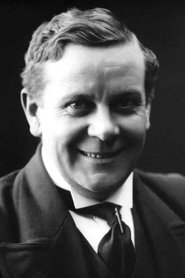
Lauritz Olsen
Actor
Born: August 10, 1872 in Copenhagen, Denmark Died: May 9, 1955 Active: 1907-1955 Birth Name: Lauritz Christian Olsen
Films
3 films

About Lauritz Olsen
Lauritz Christian Olsen — prolific Danish actor whose the formative years of silent cinema through the mid-20th century. Born in Copenhagen in 1872, he began his artistic journey as a child performer at the Pantomime Theatre in Tivoli before briefly training as a chef. He returned to acting in 1890, touring with various traveling theater companies before securing long-term engagements at prestigious venues like the Odense Theatre and the Scala Theatre in Copenhagen. Olsen made his film debut in 1907 with Nordisk Film and quickly became one of the studio's most reliable character actors, particularly in comedies and farces. He is perhaps most noted for his frequent collaborations with director Lau Lauritzen Sr., appearing in over 110 of Lauritzen's films, including the internationally popular 'Fy og Bi' (Pat & Patachon) series. Throughout his life, he remained active figures in Danish cinema, appearing in more than 200 films and continuing to work until his death in 1955.
The Craft
On Screen
Olsen was celebrated for his versatility, though he was most frequently cast in comedic and character roles. In the silent era, he utilized expressive physicality and timing that suited the farces and 'lustspil' (light comedies) popular at the time. As he aged, he transitioned into character parts, often playing waiters, hotel owners, or authority figures with a naturalistic charm that bridged the gap between the theatrical silent style and the more grounded approach of early sound cinema.
Milestones
- Film debut in Viggo Larsen's 'Kameliadamen' (1907)
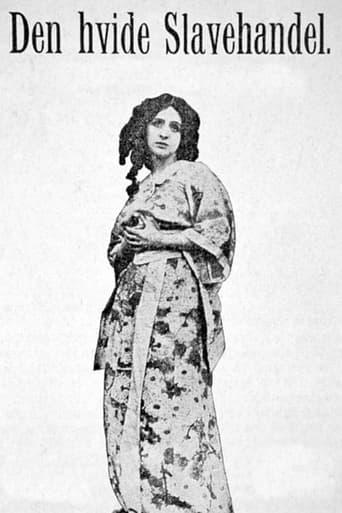
- Starred as Georg in the landmark silent drama 'The White Slave Trade' (1910)
- Became a staple of Lau Lauritzen Sr.'s comedy ensemble at Nordisk Film and later Palladium
- Appeared in over 200 films, making him
- Successfully transitioned from silent films to talkies, maintaining a career for nearly 50 years
- Final film appearance in 'Blændværk' (1955) released shortly before his death
Best Known For
Iconic Roles
Must-See Films
Accolades
Special Recognition
- Recognized as
Working Relationships
Worked Often With
Studios
Why They Matter
Impact on Culture
Foundational figure in the 'Golden Age' of Danish silent cinema, a period when Denmark was a global leader in film production. His work in 'The White Slave Trade' (1910) contributed to the success of one of the first feature-length films to achieve international distribution. By appearing in over 100 films for Lau Lauritzen Sr., he helped define the 'Nordisk style' of comedy that influenced European slapstick and character-driven humor for decades.
Lasting Legacy
Olsen's legacy is defined by his incredible longevity and productivity. He serves as a vital link between the earliest days of the cinematograph and the modern era of Danish filmmaking. His filmography provides a comprehensive record of the evolution of Danish acting styles across five decades. He is remembered today as a quintessential character actor who could bring depth and humor to any role, regardless of its size.
Who They Inspired
His work in the 'Fy og Bi' films influenced the development of comedic duos and ensemble comedy throughout Europe. His ability to maintain a career through the transition to sound served as a model for silent-era actors struggling to adapt to the new medium.
Off Screen
Lauritz Olsen was born into a family of second-hand dealers in Copenhagen. Despite a brief detour into the culinary arts as a trained chef, his passion for the stage, which began in childhood, ultimately defined his life. He was a mainstay of the Danish theatrical scene, working in both provincial theaters and the major revues of Copenhagen.
Education
Trained as a chef; early theatrical training at the Pantomime Theatre in Tivoli.
Did You Know?
- He appeared in more than 110 films directed by Lau Lauritzen Sr. Alone.
- Before becoming a full-time actor, he was a professionally trained chef.
- He began his career as a child performer in the famous Pantomime Theatre in Tivoli Gardens.
- He is buried at the Bispebjerg Cemetery in Copenhagen.
- Active 1907–1955 in this catalog, making him one of the longest-active actors in Danish history.
- He played the role of Georg in the Nordisk Film version of 'The White Slave Trade', which was a scene-for-scene remake of a film by the rival company Fotorama.
Frequently Asked Questions
Who was Lauritz Olsen?
Prominent Danish with credits in this catalog. He is best known for his immense productivity, appearing in over 200 films between 1907 and 1955.
What films is Lauritz Olsen best known for?
Titles linked here include Den hvide slavehandel (The White Slave Trade) (1910), Kameliadamen (1907).
When was Lauritz Olsen born and when did he die?
Born August 10, 1872; died May 9, 1955.
What was Lauritz Olsen's acting style?
Olsen — versatile character actor known for his comedic timing and expressive physical acting in silent farces. In his later years, he became a respected character actor in sound films, often playing supporting roles with great naturalism.
How many films did Lauritz Olsen appear in?
He appeared in more than 200 films throughout his career, including over 110 collaborations with director Lau Lauritzen Sr., making him.