
Einar Zangenberg
Actor
Born: December 22, 1882 in Copenhagen, Denmark Died: October 24, 1918 Active: 1908-1918 Birth Name: Einar Christian Constantin Zangenberg
Films
1 film
About Einar Zangenberg
Einar Christian Constantin Zangenberg — figure in early Danish and European silent cinema, renowned for his versatility as an actor, director, and producer. Born into a theatrical family as the son of the esteemed Royal Theatre actor Christian Zangenberg, Einar received his formal stage training at the Royal Theatre in Copenhagen before transitioning to the burgeoning film industry. He made his debut with Nordisk Film in 1908, but his career truly accelerated in 1910 when he became one of the studio's most prominent stars, often cast in roles that required physical prowess. Known as a 'dare-devil' of the silent screen, Zangenberg — skilled athlete, motorist, and notably the first Danish actor to fly an airplane, a skill he frequently showcased in his films. In 1911, he moved to the film company Kinografen, where he took on the role of artistic director and began a prolific period of directing and starring in sensational dramas. His career eventually took him to Berlin and Vienna, where he continued to work as a director and actor for major German production companies like PAGU. Tragically, his life and flourishing career were cut short at the age of 35 when he succumbed to the Spanish flu pandemic in Vienna in 1918.
The Craft
On Screen
Zangenberg was celebrated for his 'dare-devil' persona, characterized by high-energy performances and a willingness to perform his own stunts. He specialized in roles that required athletic ability, such as swimming, riding, and aviation, often portraying gallant noblemen, detectives, or adventurous heroes. His style was marked by the physical dynamism typical of early sensationalist cinema, moving away from the static theatricality of the era.
Milestones
- Became the first Danish film actor to fly an airplane on screen
- Appointed Artistic Director of the Kinografen film company in 1911
- Starred as Sherlock Holmes in several early Danish film adaptations
- Directed over 30 films and acted in more than 60 during a decade-long career
- Established a successful international career in Berlin and Vienna during World War I
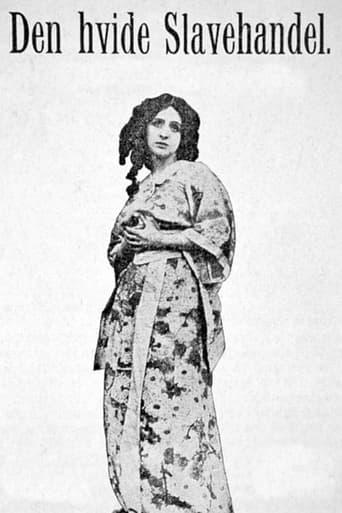
- Played a key role in the success of 'The White Slave Trade' (1910), a landmark Danish feature
Best Known For
Iconic Roles
Must-See Films
Accolades
Special Recognition
- Recognized as a pioneer of Central European silent film
- Subject of extensive retrospective research by the Danish Film Institute
Working Relationships
Worked Often With
Studios
Why They Matter
Impact on Culture
Zangenberg — key figure in the 'Golden Age' of Danish cinema, a period when Denmark was one of the world's leading film exporters. By integrating real-life skills like aviation into his performances, he helped pioneer the 'action star' archetype in European cinema. His work as an artistic director at Kinografen also contributed to the professionalization and creative expansion of the Danish film industry beyond the dominant Nordisk Film studio.
Lasting Legacy
His legacy is preserved as a quintessential 'dare-devil' of early cinema whose career bridged the gap between the short films of the 1900s and the feature-length dramas of the 1910s. Though his life was cut short, his filmography remains a vital record of the transition from stage-bound acting to the dynamic, stunt-oriented performances that would define modern action cinema. He is also remembered as one of the earliest screen incarnations of Sherlock Holmes.
Who They Inspired
He influenced subsequent generations of Danish actors by demonstrating the viability of an international career and the importance of physical versatility in film acting. His transition from acting to directing and artistic management set a precedent for multi-hyphenate careers in the film industry.
Off Screen
Einar Zangenberg was the son of the famous Danish stage actor Christian Zangenberg, who was a mainstay of the Royal Theatre and later a film censor. Einar followed in his father's footsteps into the performing arts, initially training for the stage before finding his true calling in the new medium of film. He was part of the wave of Danish talent that migrated to Germany during the silent era to seek greater opportunities in the larger European market.
Education
Trained at the Royal Theatre's acting school (Elevskolen) in Copenhagen
Family
- Alfi Zangenberg (married until his death in 1918)
Did You Know?
- He was the first Danish actor to hold a pilot's license and fly a plane in a movie.
- He died at the young age of 35 during the height of the Spanish Flu pandemic.
- His father, Christian, was a prominent actor who appeared on stage for over 35 years.
- Zangenberg played Sherlock Holmes as early as 1908, making him one of the first actors to ever portray the character on screen.
- He moved to Vienna in 1917 and became a significant figure in the Austrian film scene shortly before his death.
- Some sources suggest he died following a stomach operation, though most historians attribute his death to the Spanish Flu.
- He acted in approximately 61 films and directed 32 in just ten years.
In Their Own Words
The camera demands a different kind of truth than the stage; it requires the body to speak as loudly as the voice.
Frequently Asked Questions
Who was Einar Zangenberg?
Prominent Danish silent film actor, on YTB.my. He was famous for being a 'dare-devil' who performed his own stunts, including flying airplanes and driving cars.
What films is Einar Zangenberg best known for?
Titles linked here include The White Slave Trade (1910), The Great Flyer (1912).
When was Einar Zangenberg born and when did they die?
Born December 22, 1882; died October 24, 1918.
What awards did Einar Zangenberg win?
Formal film awards like the Oscars did not exist during his career, but he was.
What was Einar Zangenberg's acting style?
His style was highly physical and adventurous, focusing on realism through actual stunts rather than theatrical artifice. He was known for his athletic presence and his ability to portray modern, heroic characters.
How did Einar Zangenberg die?
He died at the age of 35 in 1918, a victim of the global Spanish flu pandemic while working in Vienna.