
Carl Lauritzen
Actor
Born: April 1, 1878 in Copenhagen, Denmark Died: April 2, 1952 Active: 1913-1916
Films
4 films
About Carl Lauritzen
Made significant contributions to early Danish cinema during the silent era. Born in Copenhagen in 1878, Lauritzen began his career on the theatrical stage before transitioning to the burgeoning film industry in the early 1910s. His film career, though relatively brief (1913-1916), coincided with what many consider the golden age of Danish cinema, when the country was producing some of the most technically sophisticated and artistically ambitious films in the world. Lauritzen worked primarily with director August Blom, one of Denmark's filmmakers, appearing in several of his most important productions. His performance in 'Atlantis' (1913) was particularly noteworthy, as this film was one of the first feature-length disaster movies and achieved international success. Lauritzen's acting style embodied the dramatic, expressive techniques required for silent film performance, characterized by heightened physical gestures and facial expressions to convey emotion without dialogue. After his brief but impactful film career, Lauritzen returned to theatrical pursuits, as was common for many early film actors. His work during this crucial period helped establish the foundation for Danish cinema's reputation for quality and innovation.
The Craft
On Screen
Lauritzen employed the dramatic, expressive acting style typical of the silent era, characterized by exaggerated physical gestures and facial expressions to convey emotion without dialogue. His performances were noted for their theatrical intensity and emotional depth, reflecting his stage background. He had a commanding screen presence that suited the dramatic roles he portrayed in early Danish cinema.
Milestones
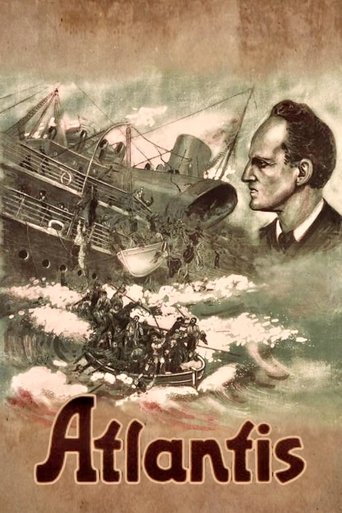
- Starred in 'Atlantis' (1913), one of the first feature-length disaster films
- Worked with Danish director August Blom
- Contributed to Danish cinema's golden age of international recognition
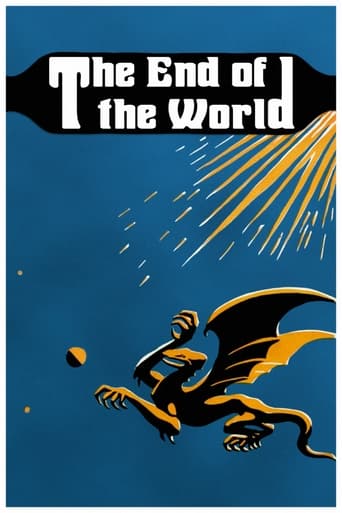
- Appeared in 'The End of the World' (1916), a significant Danish silent film
- Participated in 'In Defense of the Nation' (1916) during the height of his film career
Best Known For
Iconic Roles
Must-See Films
Accolades
Special Recognition
- Recognized as a significant contributor to early Danish cinema
Working Relationships
Worked Often With
Studios
Why They Matter
Impact on Culture
Carl Lauritzen contributed to a pivotal period in Danish cinema when the country was emerging as a major force in international film production. His work in 'Atlantis' (1913) helped establish the disaster film as a viable genre and demonstrated Danish cinema's technical capabilities to global audiences. During the early 1910s, Danish films were renowned for their sophisticated cinematography, lighting techniques, and narrative complexity, and actors like Lauritzen were instrumental in bringing these ambitious visions to life. His performances helped establish the dramatic conventions of silent film acting that would influence cinema worldwide.
Lasting Legacy
While Carl Lauritzen's film career was brief, his work remains historically significant as part of Denmark's contribution to early cinema. The films he appeared in, particularly 'Atlantis,' are studied by film historians as examples of early narrative filmmaking and genre development. His performances exemplify the transition from theatrical acting to screen acting that defined this era of cinema. Lauritzen represents the generation of stage actors who helped legitimize film as a serious artistic medium during its formative years.
Who They Inspired
As part of the early Danish film industry, Lauritzen's work influenced the development of silent film acting techniques and dramatic storytelling. His collaborations with August Blom contributed to establishing director-actor working relationships that would become standard in the film industry. The success of films he appeared in helped demonstrate the commercial viability of feature-length productions, encouraging other European filmmakers to pursue more ambitious projects.
Off Screen
Carl Lauritzen was born and raised in Copenhagen, Denmark, where he developed his interest in performing arts. Like many actors of his generation, he began his career in theater before transitioning to film during the early days of cinema. Details about his personal life, family, and relationships are scarce, which is common for actors from this early period of film history. He spent his entire life in Copenhagen and passed away there the day after his 74th birthday in 1952.
Education
Likely received theatrical training in Copenhagen, though specific educational details are not documented in available historical records.
Did You Know?
- 'Atlantis' (1913) was one of the first full-length disaster films ever made
- The film 'Atlantis' was based on a novel by Nobel Prize-winning author Gerhart Hauptmann
- During Lauritzen's active years (1913-1916), Denmark was one of the world's leading film-producing countries
- His career coincided with World War I, which dramatically affected European film production
- Danish films of this era were known for their technical innovation, particularly in lighting and cinematography
- Lauritzen worked primarily with Nordisk Film, one of the oldest film companies in the world
- The success of 'Atlantis' led to international distribution of Danish films
- Early Danish actors like Lauritzen often returned to theater after brief film careers
- His death occurred one day after his 74th birthday
- The preservation status of his films varies, with some surviving in film archives
Frequently Asked Questions
Who was Carl Lauritzen?
Danish silent film with credits in this catalog. He was part of Denmark's golden age of cinema when the country was producing some of the world's most innovative films.
What films is Carl Lauritzen best known for?
Titles linked here include Atlantis (1913), The End of the World (1916).
When was Carl Lauritzen born and when did he die?
Born April 1, 1878; died April 2, 1952.
What was Carl Lauritzen's acting style?
Lauritzen employed the dramatic, expressive style typical of silent era actors, using exaggerated gestures and facial expressions to convey emotion. His theatrical background influenced his screen performances, which were characterized by emotional intensity and dramatic presence.
Did Carl Lauritzen win any awards for his work?
No specific awards for Carl Lauritzen have been documented, which was common for actors during the early silent film period before formal award systems were established. His recognition comes from his contribution to historically significant Danish films.
Who did Carl Lauritzen frequently work with?
Lauritzen frequently collaborated with director August Blom, one of Denmark's filmmakers. He worked primarily with Nordisk Film, which was one of the leading film production companies in Europe during the early 1910s.