Films
1 film
About Johanne Fritz-Petersen
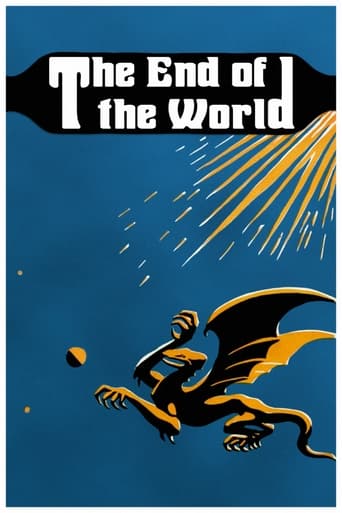
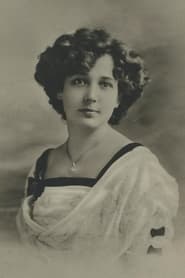
Johanne Fritz-Petersen worked on one surviving credit: The End of the World (1916). Primarily known for her role in the 1916 Danish science fiction film 'The End of the World' (Verdens Undergang). Her career appears to have been exceptionally brief, with her only documented film credit being this ambitious production directed by August Blom for Nordisk Film. The film was notable for its impressive special effects and apocalyptic themes, making it one of the earliest examples of the disaster genre in cinema history. As an actress in the early Danish film industry, she would have been part of the generation of performers who helped establish cinema as a legitimate art form in Europe. Her participation in such an innovative and technically demanding film suggests she was working with one of Denmark's most prestigious production companies at the time. Unfortunately, like many actors from this period, particularly those with brief careers, detailed documentation of her life and work has been lost to time.
The Craft
On Screen
As a silent film actress from 1916, Johanne Fritz-Petersen would have employed the exaggerated gestures and facial expressions typical of the era, using physical movement and pantomime to convey emotion since dialogue was impossible. Her performance style would have been influenced by theatrical traditions, as early cinema actors often came from stage backgrounds.
Milestones
- Appeared in the Danish science fiction film 'The End of the World' (1916)
- Worked with director August Blom at Nordisk Film
- Participated in one of the earliest disaster films in cinema history
Best Known For
Iconic Roles
Must-See Films
Working Relationships
Worked Often With
Studios
Why They Matter
Impact on Culture
Johanne Fritz-Petersen's contribution to cinema, while brief, is part of the important legacy of early Danish film, which was highly influential in the development of international cinema. Her participation in 'The End of the World' places her within the context of science fiction and disaster films that helped establish genre conventions still used today. The film itself was notable for its ambitious special effects and apocalyptic themes, making it a significant work in early cinema history.
Lasting Legacy
While Johanne Fritz-Petersen herself may not be widely remembered today, her work contributes to the early Danish cinema, which played a crucial role in the development of film as an art form. The film she appeared in, 'The End of the World,' is studied by film historians as an important example of early science fiction cinema and demonstrates the technical and artistic ambitions of Danish filmmakers during the silent era.
Who They Inspired
Due to the brevity of her documented career, there is little evidence of Johanne Fritz-Petersen's direct influence on other performers. However, her participation in innovative early cinema productions contributed to the development of acting techniques and storytelling methods that would influence future generations of filmmakers and actors.
Off Screen
Very little is documented about Johanne Fritz-Petersen's personal life, which is common for actors from the early silent era who had brief careers. Like many performers from this period, her life story has been largely lost to history, with only her film credit remaining as evidence of her contribution to cinema.
Did You Know?
- Her only known film credit is 'The End of the World' (1916), making her one of many one-film actors from the silent era
- The film she appeared in was originally titled 'Verdens Undergang' in Danish
- 'The End of the World' was one of the earliest films to depict a global catastrophe scenario
- The film was produced by Nordisk Film, one of the oldest film companies in the world, founded in 1906
- Director August Blom was one of Denmark's most prolific early film directors
- The film featured impressive special effects for its time, including miniature models and matte paintings
- Like many silent films, 'The End of the World' is now considered partially lost, with only fragments surviving
- The film's apocalyptic theme was particularly innovative for 1916, predating many similar Hollywood productions
Frequently Asked Questions
Who was Johanne Fritz-Petersen?
Danish silent film actress active in 1916, known primarily for her role in the science fiction film 'The End of the World.' Her career appears to have been very brief, with this being her only documented film credit.
What films is Johanne Fritz-Petersen best known for?
Titles linked here include The End of the World (1916).
When was Johanne Fritz-Petersen born and when did she die?
Unfortunately, specific birth and death dates for Johanne Fritz-Petersen are not documented in available historical records. This is common for many actors from the early silent era who had brief careers.
What awards did Johanne Fritz-Petersen win?
There are no documented awards or nominations for Johanne Fritz-Petersen. The film award system as we know it today was not established during her brief career in 1916.
What was Johanne Fritz-Petersen's acting style?
As a silent film actress from 1916, she would have used the typical acting style of the era, featuring exaggerated gestures and facial expressions to convey emotions without dialogue. This physical approach was standard for early cinema actors.
Why is 'The End of the World' significant in film history?
'The End of the World' is significant as one of the earliest science fiction and disaster films, featuring impressive special effects for its time. The Danish production influenced later Hollywood films and helped establish genre conventions still used in cinema today.