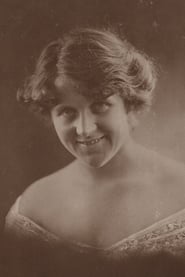
Else Frölich
Actor
- Active
- 1915-1915
Films 1
About Else Frölich
Else Frölich was a silent-era film performer active in German-language cinema during the mid-1910s, a period when many actors moved between stage and screen as the medium was still defining its artistic language. Her documented screen career is very brief and, based on currently available filmographic records, she is known primarily for appearing in the 1915 production The Candle and the Moth. Because surviving records from early European cinema are often incomplete, comparatively little is securely documented about her personal life, training, or later career. Even so, her credit places her within the important transitional moment when German film was expanding from short-form melodramas and literary adaptations toward more ambitious storytelling. Her work belongs to the generation of performers who helped establish screen acting conventions before the rise of internationally famous Weimar-era stars. No reliable evidence currently confirms a longer film career, later talkies work, or substantial off-screen public life. As a result, Else Frölich remains a little-documented but genuine part of silent cinema history, representative of many early screen artists whose contributions survive mainly through film credits and archival references.
More about Else Frölich
On screen
No surviving descriptive reviews or extended performance analyses have been reliably located for Else Frölich, so her precise acting style cannot be stated with confidence. As a performer in 1915 silent cinema, her work would have relied on expressive facial expression, gesture, and physical timing rather than spoken dialogue. If she appeared in a German melodrama or literary adaptation, her screen presence likely followed the restrained yet emotionally legible style typical of the period. Beyond this broad silent-era context, specific stylistic details remain unavailable.
In film history
Else Frölich’s cultural impact is best understood in the broader context of early German silent cinema rather than through a large body of surviving star vehicles or fame in her own right. Performers like her helped populate the growing film industry during the 1910s, when cinema was shifting from novelty entertainment toward a recognized artistic and commercial medium. Even when individual biographies are sparse, these early actors contributed to the establishment of on-screen acting norms, production practices, and the evolving idea of the movie performer as a public figure. Her presence in the historical record underscores how many women participated in cinema’s early professionalization, even if the surviving documentation is fragmentary.
Later reputation
Else Frölich’s legacy lies in archival and film-historical memory rather than widespread popular recognition. She is part of the foundational layer of silent film history: the many performers whose names survive in credits, trade listings, and catalogues, helping scholars reconstruct the early screen industry. For historians of German cinema, such names are important because they document the breadth of the acting talent that participated in the medium before better-known stars and directors came to dominate the narrative of film history. Her survival in records tied to 1915 ensures that she remains a traceable participant in early cinema, even if the details of her life and career have not yet been recovered.
Influence
There is no verified evidence that Else Frölich directly mentored later actors or became a major influencer in the documented sense. Her influence is therefore indirect: by participating in an early German production, she contributed to the evolving performance culture that later silent-film actors, directors, and studios built upon. In this way, her work belongs to the collective inheritance of early screen acting that informed later European cinema traditions.
Off screen
No dependable biographical record currently available in the major reference sources provides verified details about Else Frölich’s personal life, including marriage, family, residence, or later activities. She appears to be one of many early film performers whose public trace is limited to surviving cast lists and production credits. Because of this scarcity, any claims about relationships, education, or post-film life would be speculative and are best left unconfirmed.
Credits
- Appeared in the 1915 silent film The Candle and the Moth
- Worked during the formative years of German silent cinema
- Represents an early screen performer whose credit survives in historical film records
- Associated with the mid-1910s period before the better-documented Weimar film era
- Contributed to the developing performance style of European silent film
Roles
- Role in The Candle and the Moth (1915)
Films
- The Candle and the Moth (1915)
Notes
- Else Frölich is currently documented primarily through a single known film credit.
- Her active period, based on available filmography, is confined to 1915.
- She worked during the silent era, before synchronized sound became standard.
- Her surviving record illustrates how many early film performers are known only from archival film lists.
- The Candle and the Moth (1915) is the key title associated with her name in available references.
- Biographical details such as birthplace, education, and family life are not securely documented in readily available sources.
- She is part of the early German-language screen tradition that predates the internationally celebrated Weimar period.
- Her obscurity today reflects the incomplete preservation of early cinema documentation rather than necessarily a lack of professional activity.
Questions
Who was Else Frölich?
Else Frölich was a silent-era actor known for appearing in the 1915 film The Candle and the Moth. She is a little-documented figure in early German cinema whose surviving record is largely limited to film credits and historical reference sources.
What films is Else Frölich best known for?
She is best known for The Candle and the Moth (1915), which is the primary film title associated with her in available records. No other securely verified films can currently be confirmed.
When was Else Frölich born and when did she die?
Her birth date and death date are not currently verified in accessible historical sources. As a result, both details remain unknown rather than assumed.
What awards did Else Frölich win?
No awards or formal honors are currently documented for Else Frölich. This is not unusual for many early silent-era performers, especially those with very limited surviving biographical records.
What was Else Frölich's acting style?
Her exact style is not described in surviving reviews or biographies, so it cannot be stated definitively. As a silent-era performer in 1915, her work would have depended on expressive gesture, facial expression, and visual storytelling.
What is Else Frölich's legacy in film history?
Else Frölich’s legacy is primarily archival and historical. She represents the many early cinema performers who helped build silent film culture, even though detailed personal records and extended filmographies have not survived.