Virginia Rappe
Actor
- Born
- July 7, 1891, Chicago, Illinois, USA
- Died
- September 9, 1921
- Active
- 1916-1921
- Birth name
- Virginia Rapp
Films 1
About Virginia Rappe
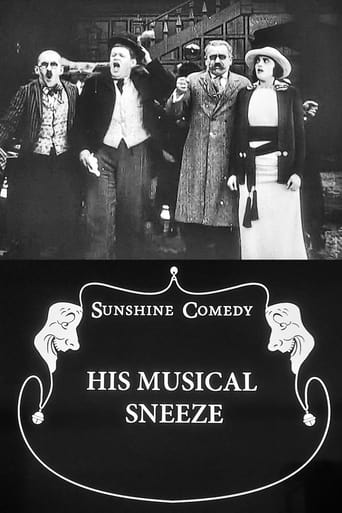
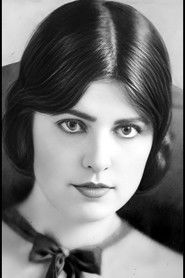
Virginia Rappe was an American silent-film actress whose brief motion-picture career took place in the final years of the 1910s, a period when Hollywood was rapidly consolidating into a major studio system. She appeared in a small number of films and is documented as having acted in "His Musical Sneeze" (1919), among other late-silent-era productions. Rappe was born in Chicago and spent part of her early life working in modeling and fashion circles before moving toward acting, a common route for young performers entering the film industry in the 1910s. Her film career was cut short by her untimely death in 1921, when she was only 25 years old. She is remembered less for a large screen body of work than for the immense posthumous notoriety surrounding her death, which became one of the most sensational scandals in early Hollywood history. That controversy overwhelmed what little public record survives of her acting ambitions and effectively froze her image in film history as a tragic figure of the silent era. Because her career was so brief, many details about her craft, training, and intended trajectory remain sparse, but she remains a significant figure in classic cinema studies because of the cultural and legal aftermath of her death.
More about Virginia Rappe
On screen
Specific film-performance documentation on Virginia Rappe is limited because her surviving screen career was brief and only lightly recorded in contemporary trade sources. As with many silent-era actresses who moved from modeling into films, her screen persona likely depended on expressive facial work, elegant physical presence, and the stylized emotional readability demanded by silent cinema. Existing references suggest she was presented as a fashionable young woman type rather than as a heavily character-driven performer. No substantial body of surviving reviews provides a detailed technical account of her acting method, so any description must remain cautious.
In film history
Virginia Rappe's cultural impact comes primarily from the extraordinary public attention surrounding her death rather than from a lengthy film career. Her case became a flashpoint in early Hollywood history, shaping public perceptions of movie stars, studio power, and the era's tabloid press. The scandal helped define the image of Hollywood as a place of glamour shadowed by excess, moral panic, and sensational journalism. In this sense, Rappe became a symbolic figure in the history of celebrity culture: a young actress whose name endured because the media transformed her tragedy into a national story. For students of silent cinema, she is also a reminder of how many performers of the period have been preserved only fragmentarily, with their screen work eclipsed by the surviving narratives written around them.
Later reputation
Her legacy is inseparable from the broader history of early Hollywood scandal and the way it accelerated the mythology of the film industry. While her surviving filmography is small, her name remains recognizable because the events associated with her death are frequently cited in books and documentaries about silent-era celebrity culture. Rappe's story also highlights the vulnerability of women in the early studio era, when legal, medical, and press narratives could overwhelm the lived reality of a performer. In film history, she endures as a tragic figure whose limited screen presence contrasts sharply with the enormous historical footprint of the controversy surrounding her. Her life is often used by historians as a case study in the intersection of stardom, moral panic, and media sensationalism in the 1920s.
Influence
Virginia Rappe did not influence later actors in the same direct, stylistic sense as major silent stars with substantial film bodies of work, but her name influenced Hollywood history through the scandal attached to it. The notoriety of her case contributed to a climate in which the studios became more concerned with managing stars' public images and responding to public relations crises. Her story has influenced historians, biographers, and filmmakers interested in the early culture of fame, the treatment of women in entertainment, and the development of the Hollywood publicity machine. As a result, her legacy is more historiographic than performative: she matters because of how her story changed the way later generations understand early movie stardom.
Off screen
Virginia Rappe was born in Chicago and became associated with the social and entertainment worlds of the early 20th century. She never became a major star in the traditional sense, but her private life was thrust into national attention after her death in 1921, when circumstances surrounding her illness and passing led to scandal, police scrutiny, and enormous tabloid coverage. The case was entangled with one of Hollywood's most infamous early star scandals, making her name widely known far beyond the size of her filmography. Historical accounts generally emphasize that her life story was overshadowed by the controversy, and the surviving record of her family background and closest relationships is comparatively thin. Available sources indicate she was unmarried at the time of her death, and the most enduring public narratives about her have centered on the events leading up to her final illness rather than on a conventional personal biography.
Education
Formal educational details are not well documented in the surviving mainstream film record; her early development is more often described in relation to her move from Chicago society and modeling work into entertainment.
Credits
- Worked as a model and fashion figure before entering motion pictures, reflecting the era's pipeline from glamour modeling to silent film acting
- Appeared in a small number of silent films in the late 1910s, including "His Musical Sneeze" (1919)
- Became widely known in posthumous public memory because of the highly publicized circumstances of her death in 1921
- Her case became part of one of the most notorious scandals in early Hollywood, drawing national attention to the film industry
- Serves as an important historical figure in discussions of silent-era celebrity culture, exploitation, and media sensationalism
Roles
- Roles in late silent-era society and romantic pictures
- Appearances as a fashionable young woman in short silent films
- Her credited role in "His Musical Sneeze" (1919)
Films
- His Musical Sneeze (1919)
Studios
- Independent silent-film production in the late 1910s
Notes
- Virginia Rappe is one of the most famous silent-era figures whose public memory is dominated by a death-related scandal rather than a large filmography.
- She was born in Chicago, a city that produced many performers who later migrated to the West Coast film industry.
- She worked as a model before appearing in films, which was a common pathway for attractive young women entering silent pictures.
- Her credited screen work survives only in a small number of references, making her a comparatively elusive figure for film historians.
- "His Musical Sneeze" (1919) is among the few titles specifically associated with her in film databases.
- Her death in 1921 generated extensive newspaper coverage and became part of a major Hollywood controversy.
- Because of her limited filmography, she is often discussed in biographies of other early Hollywood personalities rather than as a standalone star.
- Her name remains familiar to many classic-film enthusiasts even though her actual screen output was modest.
Questions
Who was Virginia Rappe?
Virginia Rappe was an American silent-film actress born in Chicago who worked in motion pictures in the late 1910s and early 1920s. She is historically remembered for her brief screen career and for the highly publicized controversy surrounding her death in 1921.
What films is Virginia Rappe best known for?
She is best documented for "His Musical Sneeze" (1919), along with other late silent-era appearances that are less consistently preserved in film history records. Because her career was very short, there is no large signature filmography comparable to major silent stars.
When was Virginia Rappe born and when did she die?
Virginia Rappe was born on July 7, 1891, in Chicago, Illinois, USA. She died on September 9, 1921, in Los Angeles, California, at the age of 25.
What awards did Virginia Rappe win?
There are no known major film awards, nominations, or industry honors documented for Virginia Rappe. Her career was too brief to have accumulated the kinds of formal accolades associated with later Hollywood stars.
What was Virginia Rappe's acting style?
Specific documentation of her performance style is limited, but as a silent-era actress she would have relied on the expressive physical and facial techniques typical of the period. Surviving historical descriptions suggest she was cast in fashionable, youthful roles that emphasized poise and screen presence.
What is Virginia Rappe's legacy in film history?
Her legacy lies largely in the historical and cultural significance of her death, which became one of the most notorious scandals in early Hollywood. She is remembered as a symbol of how silent-era celebrity could be reshaped by sensational journalism and public controversy.