Films
1 film
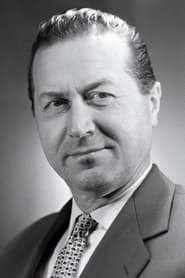
About Olev Eskola
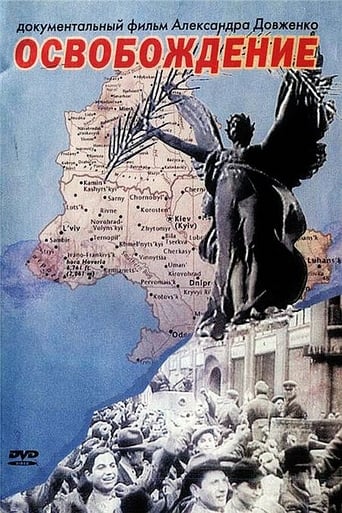
Estonian actor: career was notably brief but historically significant, active primarily during the pivotal year of 1940. His appearance in the film 'Liberation' (1940) came during a tumultuous period in Estonian history, as the country faced Soviet occupation that would dramatically alter its cultural landscape. Eskola's work represents the final generation of Estonian actors who worked in the independent Estonian film industry before the Soviet era completely transformed the nation's cinema. His career was cut short by the political upheavals of World War II, a fate shared by many Estonian cultural figures of his generation. While his filmography appears limited to this single known work, his participation in 'Liberation' places him within an important historical context of Estonian cinema. Olev Eskola's brief career trajectory reflects the broader disruption of Estonian cultural life during the early 1940s, when many artists' careers were interrupted or redirected by political circumstances.
The Craft
Milestones
- Appeared in 'Liberation' (1940) during a pivotal moment in Estonian cinema history
Best Known For
Iconic Roles
Must-See Films
Why They Matter
Impact on Culture
Olev Eskola's cultural significance lies primarily in his representation of Estonian cinema at a critical historical juncture. His appearance in 'Liberation' (1940) places him among the last actors to work in Estonia's independent film industry before Soviet occupation completely restructured the nation's cultural institutions. While his individual contribution may have been limited to a single known film, Eskola represents the generation of Estonian artists whose careers were interrupted or fundamentally altered by the political upheavals of World War II. His work serves as a historical artifact documenting the state of Estonian cinema just before the Soviet era began, making him a figure of interest to film historians studying this transitional period.
Lasting Legacy
Olev Eskola's legacy is that of a historical footnote in Estonian cinema history, representing the countless actors and cultural figures whose careers were truncated by the dramatic political changes of the early 1940s. His brief film career exemplifies how geopolitical events can dramatically impact artistic production and individual careers. While he may not have achieved lasting fame as an actor, his documented appearance in 'Liberation' (1940) ensures his place in the historical record of Estonian film, serving as a reminder of the many artists whose potential contributions to cinema were never fully realized due to historical circumstances beyond their control.
Who They Inspired
Given the brevity of his documented career and the limited historical record, there is little evidence of Olev Eskola's direct influence on other actors or filmmakers. His story, however, serves as an influential case study for film historians examining how political upheaval can impact artistic careers and cultural production. His experience reflects the broader pattern of disruption that affected Estonian and other Eastern European artists during World War II and the subsequent Soviet era, making his story relevant to understanding the broader historical forces that shaped cinema in this region during the mid-20th century.
Off Screen
Very little is documented about Olev Eskola's personal life, which is common for many Estonian actors from this period whose careers were disrupted by World War II and subsequent Soviet occupation. The lack of extensive biographical information reflects the broader historical context that saw many cultural figures' records lost or undocumented during the political upheavals of the 1940s.
Did You Know?
- Olev Eskola's entire known film career appears to have been confined to the single year 1940
- The film 'Liberation' (1940) in which he appeared was produced during Estonia's final year of independence before Soviet occupation
- His name 'Olev' is a traditional Estonian name meaning 'to become' or 'to remain'
- The year 1940 marked the beginning of Soviet occupation of Estonia, which dramatically changed the country's film industry
- Very little documentation exists about many Estonian actors from this period due to the disruption of archives during World War II
- Eskola represents the generation of Estonian artists whose careers were interrupted by the political upheavals of the 1940s
Frequently Asked Questions
Who was Olev Eskola?
Estonian with credits in this catalog.' His career was likely cut short by the political upheavals of World War II and Soviet occupation of Estonia.
What films is Olev Eskola best known for?
Titles linked here include Liberation (1940).
When was Olev Eskola born and when did he die?
Specific birth and death dates for Olev Eskola are not documented in available historical records, which is common for many Estonian actors from this period whose biographical information was lost during wartime disruptions.
What awards did Olev Eskola win?
There are no documented awards or nominations for Olev Eskola, which is not surprising given his extremely brief film career limited to 1940.
What was Olev Eskola's acting style?
Due to the limited documentation of his work and the fact that only one film is attributed to him, there is insufficient information to determine Olev Eskola's specific acting style or techniques.
Why was Olev Eskola's career so brief?
Olev Eskola's career was likely cut short by the Soviet occupation of Estonia in 1940, which dramatically restructured the country's film industry and cultural institutions, affecting many Estonian artists of his generation.
What is the historical significance of Olev Eskola's work?
Eskola's work is historically significant as it represents Estonian cinema during the final year of independence before Soviet occupation, making him part of the last generation to work in Estonia's pre-war film industry.