Nina Mae McKinney
Actor
Born: June 12, 1912 in Lancaster, South Carolina, USA Died: May 3, 1967 Active: 1929-1950s Birth Name: Nannie Mayme McKinney
Films
1 film
About Nina Mae McKinney
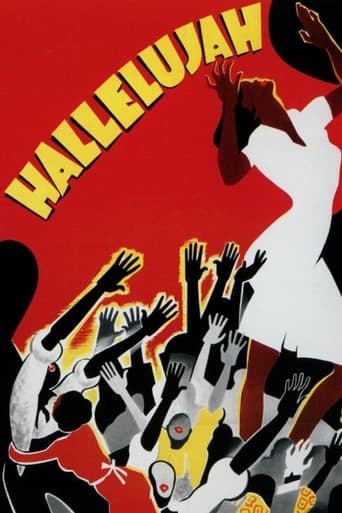
Nina Mae McKinney was born Nannie Mayme McKinney in Lancaster, South Carolina, and rose to prominence as one of the first African American film stars in Hollywood. Her breakthrough came in 1929 when she was discovered by King Vidor and cast as the lead in MGM's all-Black musical 'Hallelujah,' making her the first African American actress to appear in a leading role in a mainstream Hollywood production. After her sensational performance as the seductive 'Chick,' she earned the nickname 'the Black Garbo' from the press, though her opportunities in Hollywood were severely limited by racial discrimination. Frustrated by the lack of substantial roles in America, she relocated to Europe in the 1930s, where she found greater success performing in cabarets and films, particularly in France and the UK. McKinney continued her career intermittently through the 1940s and 1950s, appearing in various films and television shows, though never again achieving the level of stardom she experienced with 'Hallelujah.' She spent her later years in New York City, largely forgotten by the industry that had once hailed her as a pioneer. Despite her relatively brief period of major stardom, McKinney's legacy endures as a trailblazer who broke racial barriers in cinema.
The Craft
On Screen
McKinney possessed a naturalistic and charismatic screen presence that combined seductive charm with emotional depth. Her performance in 'Hallelujah' demonstrated remarkable range, from playful sensuality to dramatic intensity, setting her apart from many contemporaries who relied on theatrical gestures. She brought a sophisticated urban energy to her roles, embodying the modern jazz age spirit while maintaining authenticity in her portrayals of African American characters. Despite limited opportunities, she consistently delivered nuanced performances that challenged stereotypes and showcased her versatility as both a dramatic actress and musical performer.
Milestones
- Starred in MGM's 'Hallelujah' (1929), the first all-Black cast film by a major studio
- Became the first African American actress to sign a long-term contract with MGM
- Performed in European cabarets and films during the 1930s
- Appeared in the British film 'Sanders of the River' (1935) with Paul Robeson
- Returned to Hollywood for character roles in the 1940s
- Made television appearances in the 1950s including 'The Ed Sullivan Show'
Best Known For
Iconic Roles
Must-See Films
Accolades
Won
- Inducted into the Black Filmmakers Hall of Fame in 1978 (posthumous)
Special Recognition
- Hollywood Walk of Fame star (1992, posthumous)
- Recognized by the Smithsonian Institution as a cinema pioneer
- Featured in the exhibition 'Regeneration: Black Cinema 1900-1970' at the Academy Museum
Working Relationships
Worked Often With
Studios
Why They Matter
Impact on Culture
Nina Mae McKinney's impact on cinema and culture extends far beyond her filmography. As the first African American actress to achieve genuine stardom in a mainstream Hollywood production, she broke significant racial barriers in the film industry. Her performance in 'Hallelujah' challenged prevailing stereotypes about African American performers, demonstrating that Black actors could carry major studio films with the same charisma and talent as their white counterparts. The success of 'Hallelujah' proved to Hollywood studios that films with all-Black casts could be commercially viable, paving the way for future productions featuring African American talent. McKinney's career also highlighted the limitations faced by Black performers in Hollywood, as her subsequent move to Europe underscored the greater opportunities available to artists of color outside the American studio system. Her legacy as 'the Black Garbo' helped establish a precedent for African American actresses as objects of glamour and sophistication, counteracting the demeaning roles often available to them during the early sound era.
Lasting Legacy
Nina Mae McKinney's legacy endures as that of a true pioneer who opened doors for generations of African American performers in cinema. Though her name is not as widely recognized today as it should be, film historians and scholars increasingly acknowledge her groundbreaking contributions to Hollywood history. Her posthumous induction into the Black Filmmakers Hall of Fame and her star on the Hollywood Walk of Fame represent belated recognition of her significance. Modern film retrospectives and museum exhibitions have begun to restore her place in cinema history, highlighting how her talent and determination helped challenge racial barriers in the entertainment industry. McKinney's story also serves as a poignant reminder of the systemic racism that limited the careers of countless talented African American artists during Hollywood's Golden Age.
Who They Inspired
McKinney directly influenced subsequent generations of African American actresses, including Lena Horne, Dorothy Dandridge, and Hattie McDaniel, who followed her path in breaking racial barriers in Hollywood. Her success in Europe demonstrated to other Black performers that international careers could provide alternatives to the limited opportunities in America. Her sophisticated screen presence and glamorous image helped establish new possibilities for how African American women could be portrayed in cinema, moving beyond the stereotypical maid and servant roles that dominated the era. Contemporary actresses and filmmakers continue to reference her work as an early example of Black excellence in mainstream cinema.
Off Screen
McKinney's personal life was marked by both professional triumphs and personal struggles. She married jazz musician Jimmy 'Shad' Monroe in 1935, though the marriage ended in divorce. She had no children. Later in life, she married a musician named Moses 'Mose' Gale, with whom she remained until his death. Her final years were spent in relative obscurity in New York City, where she worked various jobs outside the entertainment industry to support herself. Despite her earlier fame and fortune, she faced financial difficulties in her later years and died of a heart attack at age 54.
Education
Attended Lancaster Industrial School for Negroes in South Carolina; later moved to New York City where she worked as a teenager before being discovered for films
Family
- Jimmy 'Shad' Monroe (1935-1938)
- Moses 'Mose' Gale (1950s-1960s)
Did You Know?
- Was nicknamed 'the Black Garbo' by the press due to her glamorous screen presence
- Was only 17 years old when she starred in 'Hallelujah'
- Was discovered while working as a dancer at the Cotton Club in Harlem
- Her salary for 'Hallelujah' was $1,000 per week, a substantial amount for the time
- Spoke fluent French during her years performing in Europe
- Was the first African American actress to kiss a white actor on screen in 'Hallelujah'
- Her performance in 'Hallelujah' was considered so groundbreaking that MGM initially considered not releasing the film in the American South
- Appeared in early 'soundies' - short musical films that were precursors to music videos
- Was featured on a postage stamp issued by the Republic of Guinea in 2003 honoring African American cinema pioneers
- The Academy Museum of Motion Pictures included her in their 2022 exhibition 'Regeneration: Black Cinema 1900-1970'
In Their Own Words
I was the first colored girl to sign a long-term contract with a big studio. I was a star, but I was a colored star, and that made all the difference.
In Europe, I could be a star. In America, I was just a colored actress.
They called me the Black Garbo, but I never got the roles Garbo got. I got the roles they thought were appropriate for a colored girl.
Hallelujah was a wonderful picture, but it didn't do what it should have done for colored people in pictures.
Frequently Asked Questions
Who was Nina Mae McKinney?
African American actress who became one of the first Black film stars in Hollywood. She achieved fame in 1929 starring in MGM's 'Hallelujah,' the first all-Black cast film by a major studio, earning her the nickname 'the Black Garbo' from contemporary press.
What films is Nina Mae McKinney best known for?
Titles linked here include Hallelujah (1929), Sanders of the River (1935).
When was Nina Mae McKinney born and when did she die?
Born June 12, 1912; died May 3, 1967.
What awards did Nina Mae McKinney win?
During her lifetime, McKinney received little formal recognition from the Hollywood establishment, though she was celebrated by African American communities. Posthumously, she was inducted into the Black Filmmakers Hall of Fame in 1978 and received a star on the Hollywood Walk of Fame in 1992, acknowledging her contributions to cinema.
What was Nina Mae McKinney's acting style?
McKinney's acting style was notably naturalistic and charismatic for her era, combining seductive charm with emotional depth. She brought sophistication and urban energy to her roles, particularly in 'Hallelujah,' where she demonstrated remarkable range from playful sensuality to dramatic intensity, setting her apart from many contemporaries who relied on theatrical gestures.
Why did Nina Mae McKinney move to Europe?
McKinney moved to Europe in the 1930s because of the severe racial discrimination and limited opportunities for African American actors in Hollywood. Despite her breakthrough success in 'Hallelujah,' MGM offered her only stereotypical minor roles, leading her to seek better opportunities abroad where she found success in films and cabarets, particularly in France and the United Kingdom.
How did Nina Mae McKinney influence later African American actresses?
McKinney paved the way for future African American stars like Lena Horne and Dorothy Dandridge by proving that Black actresses could carry major studio films and achieve genuine stardom. Her glamorous screen image and sophisticated presence helped establish new possibilities for how African American women could be portrayed in cinema, moving beyond the demeaning servant roles that were prevalent during Hollywood's Golden Age.