Sandhya Shantaram
Actor
Born: 1929 in India Died: January 20, 2021 Active: 1953-1963 Birth Name: Rajashree
Films
3 films
About Sandhya Shantaram
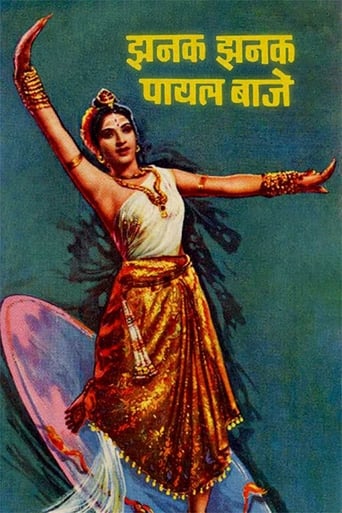
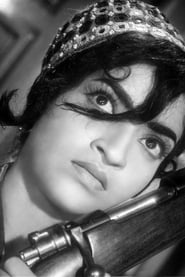
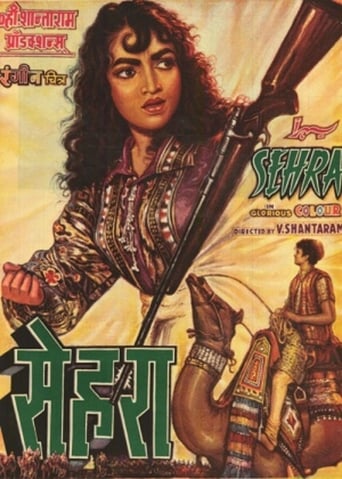
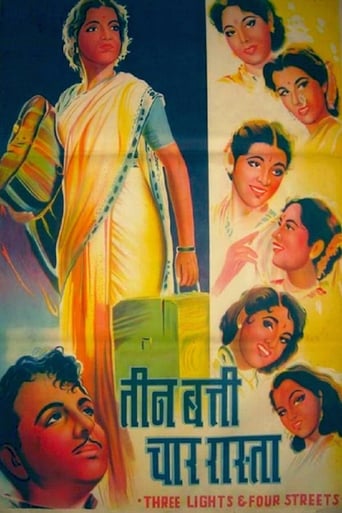
Sandhya Shantaram, born Rajashree, was a prominent Indian actress who graced the silver screen during the golden era of Hindi cinema. She began her career in 1953 with 'Teen Batti Char Raasta' and quickly gained recognition for her graceful presence and classical dance skills. Her most celebrated performance came in 'Jhanak Jhanak Payal Baaje' (1955), a film directed by her husband V. Shantaram, which showcased her exceptional dancing abilities and acting prowess. The film was a monumental success and is remembered as one of the greatest Indian films ever made. She continued her acting career through the early 1960s with notable films like 'Sehra' (1963), after which she gradually stepped back from the limelight to focus on family. Her career, though spanning just a decade, on Indian cinema with her memorable performances in films that are still cherished today.
The Craft
On Screen
Classical Indian cinema style with emphasis on graceful movements and expressive facial expressions, particularly skilled in classical dance forms
Milestones
- Debut in Teen Batti Char Raasta (1953)
- Breakthrough performance in Jhanak Jhanak Payal Baaje (1955)
- Notable role in Sehra (1963)
- Marriage to legendary director V. Shantaram
- Known for classical dance performances in films
Best Known For
Iconic Roles
Must-See Films
Accolades
Won
- Filmfare Award for Best Actress nomination for Jhanak Jhanak Payal Baaje (1956)
Nominated
- Filmfare Award for Best Actress (1956)
Special Recognition
- Remembered as part of Indian cinema's golden era
- Recognized for contributions to classical dance in films
Working Relationships
Worked Often With
Studios
Why They Matter
Impact on Culture
Sandhya Shantaram made significant contributions to Indian cinema during its golden era, particularly in films that showcased classical Indian dance forms. Her performance in 'Jhanak Jhanak Payal Baaje' helped popularize classical dance among mainstream audiences and set new standards for dance sequences in Indian films. She represented the ideal of the graceful, cultured Indian woman on screen, embodying traditional values while embracing artistic expression. Her work contributed to the preservation and promotion of Indian classical arts through the medium of cinema.
Lasting Legacy
Sandhya Shantaram's legacy endures through her memorable performances, particularly in 'Jhanak Jhanak Payal Baaje', which remains a classic of Indian cinema. She is remembered as. Her films continue to be studied and appreciated for their artistic merit and cultural significance. As part of the V. Shantaram cinematic legacy, she contributed to creating some of the most enduring works in Indian film history.
Who They Inspired
Sandhya Shantaram influenced subsequent generations of actresses by demonstrating the importance of classical training in film performance. Her success in dance-centric films paved the way for more elaborate and authentic dance sequences in Indian cinema. She showed that actresses could be both glamorous and artistically accomplished, setting a standard for performers who followed. Her work continues to inspire filmmakers and performers interested in combining classical arts with contemporary cinema.
Off Screen
Sandhya Shantaram was married to the legendary filmmaker V. Shantaram, one of the pioneers of Indian cinema. Their marriage was significant in film industry circles as it united two talented individuals who often collaborated professionally. She was V. Shantaram's second wife and supported his work both on and off screen. After her acting career, she devoted herself to family life and managing the legacy of V. Shantaram's cinematic contributions.
Education
Trained in classical Indian dance forms, particularly Kathak and Bharatanatyam
Family
- V. Shantaram (1956-1990, until his death)
Did You Know?
- Her real name was Rajashree before she adopted the screen name Sandhya
- She was discovered by V. Shantaram and later became his second wife
- Jhanak Jhanak Payal Baaje was India's first film to be shot in Eastman Color
- The film won the All India Certificate of Merit for Best Feature Film
- She was trained in multiple classical Indian dance forms
- Her dance sequences in Jhanak Jhanak Payal Baaje were performed without any dance doubles
- The film was also India's official entry to the Oscars
- She stepped back from acting after 1963 to focus on family
- Her daughter Rajshree also became an actress
- She was known for her humility despite her success
In Their Own Words
Dance is not just movement, it's the expression of the soul
Cinema should educate while entertaining
Classical arts are the foundation of our cultural identity
Frequently Asked Questions
Who was Sandhya Shantaram?
Indian actress active in Hindi cinema during the 1950s and early 1960s, best known for her performances in classical dance-based films, particularly 'Jhanak Jhanak Payal Baaje' (1955). She was married to legendary filmmaker V. Shantaram and often starred in his productions.
What films is Sandhya Shantaram best known for?
Titles linked here include Jhanak Jhanak Payal Baaje (1955), Teen Batti Char Raasta (1953).
When was Sandhya Shantaram born and when did she die?
Born 1929; died January 20, 2021.
What awards did Sandhya Shantaram win?
She received a Filmfare Award nomination for Best Actress for her performance in 'Jhanak Jhanak Payal Baaje' in 1956. The film itself won the All India Certificate of Merit for Best Feature Film and was India's official entry to the Academy Awards.
What was Sandhya Shantaram's acting style?
Her acting style was rooted in classical Indian cinema traditions, characterized by graceful movements, expressive facial expressions, and exceptional classical dance skills. She particularly excelled in films that showcased Indian classical dance forms, bringing authenticity and artistic merit to her performances.