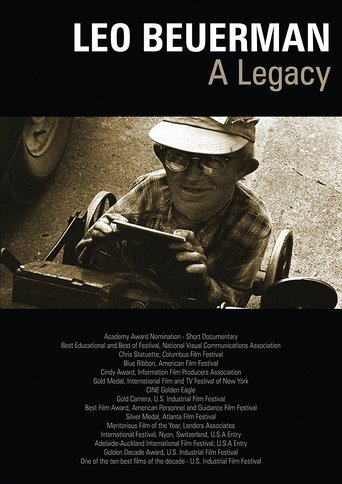
Films
1 film
About Gene Boomer
American filmmaker best known for his acclaimed 1969 documentary short 'Leo Beuerman.' The film documented the life of Leo Beuerman, a severely disabled man from Lawrence, Kansas, who despite his physical limitations became an inspirational local figure known for his determination and positive outlook. Boomer's sensitive and humanistic approach to capturing Beuerman's daily life earned the film critical acclaim and an Academy Award nomination. While 'Leo Beuerman' appears to be his most recognized work, Boomer demonstrated exceptional skill in documentary filmmaking, focusing on themes of human resilience and dignity. His ability to tell a compelling story with empathy and respect for his subject showcased his talent as a director who could find profound meaning in everyday struggles. The film's success brought attention both to its subject and to Boomer's directorial capabilities, though his broader filmography remains limited to this notable achievement.
The Craft
Behind the Camera
Humanistic documentary approach focusing on themes of resilience and dignity, characterized by sensitive storytelling and empathetic portrayal of subjects facing physical challenges
Milestones
- Directed Academy Award-nominated documentary 'Leo Beuerman' (1969)
- Brought national attention to the story of Leo Beuerman
- Created
Best Known For
Must-See Films
Accolades
Nominated
- Academy Award nomination for Best Documentary Short Subject (1970) for 'Leo Beuerman'
Special Recognition
- Academy Award recognition brought prestige to documentary filmmaking in the late 1960s
Why They Matter
Impact on Culture
Gene Boomer's documentary 'Leo Beuerman' made a significant cultural impact by bringing the story of a physically disabled man to national attention during a time when disability rights were gaining visibility. The film helped humanize people with disabilities for mainstream audiences, portraying Leo not as an object of pity but as a person of remarkable strength and dignity. Boomer's work contributed to the growing documentary movement of the 1960s that focused on real people and real stories, helping to establish the power of short-form documentary to create social awareness and empathy.
Lasting Legacy
Gene Boomer's legacy is primarily tied to his acclaimed documentary 'Leo Beuerman,' which continues to be remembered as an example of compassionate documentary filmmaking. While his directorial career appears to have been brief, his work demonstrated how documentary film could serve as a powerful medium for telling stories of human resilience and dignity. The film remains a touchstone in disability representation in cinema and is often cited as an early example of respectful portrayal of people with disabilities in documentary form.
Who They Inspired
Boomer's empathetic approach to documentary storytelling influenced subsequent generations of filmmakers working on disability-related subjects. His technique of focusing on the strength and humanity of his subject rather than his limitations became a model for more positive and empowering representations of people with disabilities in documentary film.
Off Screen
Very little is publicly documented about Gene Boomer's personal life, as he appears to have been primarily known for his work on 'Leo Beuerman' rather than for a long career in the film industry.
Did You Know?
- 'Leo Beuerman' was nominated for an Academy Award for Best Documentary Short Subject
- The film brought national attention to Leo Beuerman, a real person from Lawrence, Kansas
- Leo Beuerman was born with severe physical disabilities but became known for his determination and positive attitude
- The documentary was one of the early films to portray a person with disabilities with dignity and respect
- Boomer's film was released during a period of growing disability rights awareness in America
- The short documentary format was particularly effective in conveying Leo's story to audiences
- Despite the film's acclaim, Boomer does not appear to have directed other major documentary projects
Frequently Asked Questions
Who was Gene Boomer?
American documentary filmmaker best known for directing the 1969 short documentary 'Leo Beuerman,' which earned an Academy Award nomination for its sensitive portrayal of a severely disabled man from Kansas.
What films is Gene Boomer best known for?
Titles linked here include Leo Beuerman (1969).
When was Gene Boomer born and when did he die?
Specific birth and death dates for Gene Boomer are not publicly documented, as he is primarily remembered for his work on 'Leo Beuerman' rather than for a long career in filmmaking.
What awards did Gene Boomer win?
While Gene Boomer did not win any major awards, his documentary 'Leo Beuerman' was nominated for an Academy Award for Best Documentary Short Subject in 1970, bringing significant recognition to his work.
What was Gene Boomer's directing style?
Boomer's directing style was characterized by a humanistic and empathetic approach to documentary filmmaking, focusing on themes of resilience and dignity while portraying his subject with respect rather than pity.