Films
3 films

About Han Lan-Gen
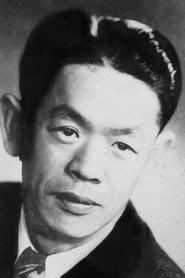
Prominent Chinese actor during the golden age of Chinese cinema in the 1930s and early 1940s, primarily active in Shanghai's burgeoning film industry. He emerged as a character actor during the transition from silent films to talkies, showcasing versatility across various genres including drama and animation. His most notable work came in 1934 with 'Song of the Fishermen,' a critically acclaimed film that represented the pinnacle of early Chinese social realist cinema. Throughout his career, Han demonstrated remarkable range, appearing in both live-action films and contributing to voice work in China's first animated feature. His performances were characterized by a naturalistic style that helped bridge traditional Chinese theatrical acting with the emerging techniques of cinematic realism. Han's career coincided with a politically turbulent period in Chinese history, and his films often reflected the social consciousness prevalent in pre-war Chinese cinema. His work came to an abrupt halt as the Sino-Japanese War and subsequent political changes dramatically altered China's film landscape.
The Craft
On Screen
Han Lan-Gen was known for his naturalistic acting approach that contrasted with the more theatrical styles common in early Chinese cinema. His performances emphasized subtle emotional expression and realistic character portrayal, helping to establish a more modern cinematic acting style in Chinese films. He demonstrated particular skill in portraying working-class characters with dignity and authenticity.
Milestones
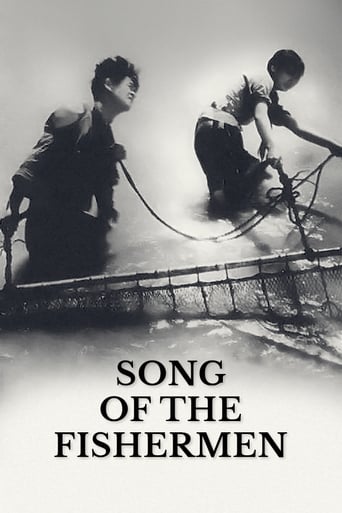
- Starred in 'Song of the Fishermen' (1934),
- Appeared in 'Soaring Aspirations' (1936) during the peak of Shanghai's golden age of cinema
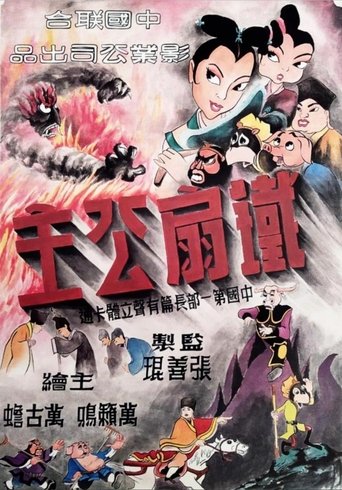
- Provided voice work for 'Princess Iron Fan' (1941), China's first animated feature film
- Contributed to the development of early Chinese sound cinema
Best Known For
Iconic Roles
Must-See Films
Accolades
Special Recognition
- Recognized as a pioneer of early Chinese sound cinema
Working Relationships
Worked Often With
Studios
Why They Matter
Impact on Culture
Han Lan-Gen contributed to the development of Chinese cinema during its formative years, helping establish acting techniques that bridged traditional Chinese performance styles with modern cinematic realism. His work in 'Song of the Fishermen' was part of a movement that brought social consciousness and artistic sophistication to Chinese films, influencing generations of Chinese filmmakers. His involvement in 'Princess Iron Fan' placed him at the forefront of Chinese animation history, as the film pioneered techniques that would influence Asian animation for decades.
Lasting Legacy
Though detailed records of his career are limited, Han Lan-Gen represents the generation of actors who helped establish Chinese cinema as a serious artistic medium during the 1930s. His performances in landmark films of the era contributed to the foundation of Chinese film acting traditions. His work, particularly in films that addressed social issues, helped establish cinema as a vehicle for social commentary in China.
Who They Inspired
Han Lan-Gen's naturalistic acting style influenced subsequent generations of Chinese actors who sought to move away from theatrical traditions toward more cinematic performance techniques. His work in early sound films helped establish standards for voice acting and dialogue delivery in Chinese cinema. His participation in China's first animated feature demonstrated the versatility required of early film actors and contributed to the development of Chinese animation.
Off Screen
Very little documented information exists about Han Lan-Gen's personal life, which was typical for many character actors of early Chinese cinema. Like many actors of his era, he was likely based in Shanghai, the center of China's film industry during the 1930s. His career coincided with.
Did You Know?
- 'Song of the Fishermen' (1934) was one of the first Chinese films to gain international recognition
- Han worked during Shanghai's 'Golden Age' when it was known as the 'Hollywood of the East'
- 'Princess Iron Fan' (1941) was not only China's first animated feature but also one of the world's earliest
- The 1930s Chinese film industry was heavily influenced by both Hollywood and Soviet cinema
- Many films from this era were lost during the Sino-Japanese War and subsequent political upheavals
- Early Chinese actors like Han often came from traditional Chinese opera backgrounds
- The transition to sound cinema in China happened slightly later than in Hollywood
- Shanghai in the 1930s had the most sophisticated film studios in Asia
Frequently Asked Questions
Who was Han Lan-Gen?
Chinese with credits in this catalog. He was part of the golden age of Shanghai's film industry and contributed to both live-action and animated films.
What films is Han Lan-Gen best known for?
Titles linked here include Song of the Fishermen (1934), Soaring Aspirations (1936).
When was Han Lan-Gen born and when did he die?
Specific birth and death dates for Han Lan-Gen are not well documented, which is common for many character actors from early Chinese cinema. He was active as an actor from 1934 to 1941 during the golden age of Chinese filmmaking in Shanghai.
What awards did Han Lan-Gen win?
Specific awards for Han Lan-Gen are not well documented in available records, as formal award systems for Chinese cinema were not fully established during his active period. However, he is recognized as a pioneer of early Chinese sound cinema.
What was Han Lan-Gen's acting style?
Han Lan-Gen was known for his naturalistic acting style that helped bridge traditional Chinese theatrical performance with modern cinematic realism. His performances emphasized subtle emotional expression and authentic character portrayal, contributing to the development of more sophisticated acting techniques in Chinese cinema.