Charles Sheeler
Director
Born: July 16, 1883 in Philadelphia, Pennsylvania, USA Died: May 7, 1965 Active: 1922 (film career), 1910-1965 (artistic career)
Films
1 film
About Charles Sheeler
American artist and photographer who became one of the founding figures of the Precisionist movement in American modernism. While primarily celebrated for his paintings and photographs of industrial subjects and architectural forms, Sheeler made a significant contribution to cinema with his 1922 avant-garde film 'Manhatta,' co-directed with Paul Strand. This short film is considered one of the first avant-garde films made in America and a landmark in documentary cinema. Sheeler's artistic career began after studying at the Pennsylvania Academy of Fine Arts and later at the Philadelphia School of Industrial Art, where he developed his signature style of clean lines, geometric forms, and mechanical precision. His work often captured the intersection of nature and industry, reflecting America's rapid industrialization in the early 20th century. Beyond his brief but influential foray into filmmaking, Sheeler continued to work as a photographer and painter until his death, with his works now housed in major museums including the Museum of Modern Art and the Metropolitan Museum of Art. His artistic vision helped define American modernism and influenced generations of photographers and filmmakers who followed.
The Craft
Behind the Camera
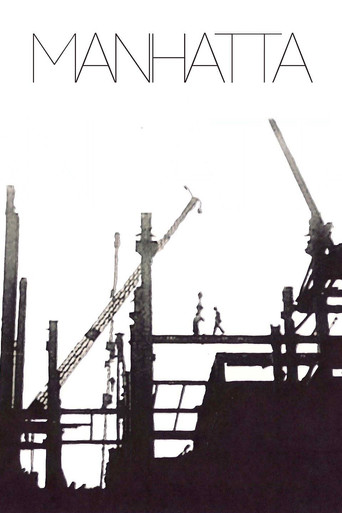
Sheeler's directing style in 'Manhatta' was characterized by poetic visual composition, static camera shots emphasizing architectural forms, rhythmic editing patterns, and a focus on the geometric beauty of urban landscapes. His approach treated the city as both subject and character, using long takes and careful framing to reveal the hidden poetry in industrial structures and daily urban life.
Milestones
- Co-directed 'Manhatta' (1922), one of America's first avant-garde films
- Founded the Precisionist movement in American art
- Commissioned by Fortune magazine for industrial photography series
- Had works acquired by major museums including MoMA and Metropolitan Museum
- Developed distinctive style combining photography and painting techniques
- Documented America's industrial transformation through art
Best Known For
Must-See Films
Accolades
Special Recognition
- Works included in permanent collections of Museum of Modern Art
- Works included in Metropolitan Museum of Art collection
- Retrospective exhibitions at major American museums
- Recognized as pioneer of American Precisionism
- Honored as influential figure in documentary film history
Working Relationships
Worked Often With
Why They Matter
Impact on Culture
Charles Sheeler's impact on cinema, though limited to one film, was profound and lasting. 'Manhatta' established a new visual language for depicting urban America that would influence countless filmmakers, documentarians, and photographers. The film's poetic approach to city life helped establish the city symphony genre of documentary filmmaking and demonstrated how everyday urban scenes could be transformed into art through careful composition and rhythm. His work bridged the gap between photography and cinema, showing how static photographic techniques could create dynamic moving images. The film's influence can be seen in later works by filmmakers like Dziga Vertov, Joris Ivens, and the American documentary tradition of the 1930s.
Lasting Legacy
Charles Sheeler's legacy in film history rests primarily on 'Manhatta,' which remains a cornerstone of avant-garde cinema and early American documentary filmmaking. The film continues to be studied in film schools and screened at museums and festivals as an example of early cinematic innovation. His broader artistic legacy as a Precisionist painter and photographer has cemented his reputation as one of America's most important modernist artists. Sheeler's vision of America's industrial landscape helped shape how the nation saw itself during a period of rapid transformation. His techniques of combining photographic clarity with artistic composition influenced generations of visual artists across multiple media.
Who They Inspired
Sheeler influenced documentary filmmakers through his poetic approach to urban subjects, photographers through his precisionist aesthetic, and painters through his unique combination of photographic and painterly techniques. His work helped establish the visual vocabulary for depicting industrial America, influencing artists like Edward Steichen, Paul Strand, and later photographers of the Farm Security Administration. His influence extends to contemporary photographers and filmmakers who continue to explore the intersection of industry, architecture, and art. The clean, geometric aesthetic he pioneered can be seen in everything from modern architectural photography to contemporary advertising imagery.
Off Screen
Charles Sheeler led a relatively private life focused on his artistic pursuits. He married Musya Metas Sokolova in 1939, a Russian-born artist and photographer who became his frequent collaborator and companion. The couple lived and worked together in various locations including New York and Connecticut, sharing a studio and often assisting each other's projects. Sheeler was known for his disciplined work ethic and dedication to his craft, maintaining a consistent artistic output throughout his life. He was part of New York's artistic circles but preferred to work independently rather than aligning with specific artistic groups or movements.
Education
Family
- Musya Metas Sokolova (1939-1965)
Did You Know?
- Manhatta was only 10 minutes long but took months to plan and shoot
- The film was inspired by Walt Whitman's poem 'Mannahatta'
- Sheeler and Strand shot the film on weekends while maintaining their day jobs
- Manhatta was selected for preservation in the National Film Registry in 1995
- Sheeler was primarily a painter and photographer, not a filmmaker
- The film features no dialogue, relying only on visual storytelling and intertitles
- Sheeler used his photographic techniques to compose the film's shots
- Manhatta was one of the first American films to be considered avant-garde
- The film captured New York City during the height of its skyscraper boom
- Sheeler never directed another film after Manhatta
- The film's title uses the original Native American name for Manhattan
In Their Own Words
I have come to value the fact that the camera is a machine. I like the feeling that it is a machine that does not have its own mind.
Photography is nature seen from the eyes outward, painting from the eyes inward.
Every age manifests itself by some external evidence. In our time, the external evidence is the machine.
The artist's world is limitless. It can be found anywhere, far from where he lives or a few feet away. It is always on his doorstep.
I like to think of myself as an American painter in the fullest sense of the term.
Frequently Asked Questions
Who was Charles Sheeler?
American artist, photographer, and filmmaker best known as a founding figure of the Precisionist movement and for co-directing the influential 1922 avant-garde film 'Manhatta.' While primarily celebrated as a painter and photographer of industrial subjects, his single film contribution made him an important figure in early American cinema history.
What films is Charles Sheeler best known for?
Titles linked here include Manhatta (1922).
When was Charles Sheeler born and when did he die?
Born July 16, 1883; died May 7, 1965.
What awards did Charles Sheeler win?
While Charles Sheeler did not receive traditional film awards, he achieved significant recognition in the art world with his works included in major museums like the Museum of Modern Art and the Metropolitan Museum of Art. His film 'Manhatta' was selected for preservation in the National Film Registry in 1995, recognizing its cultural and historical significance.
What was Charles Sheeler's directing style?
Sheeler's directing style in 'Manhatta' was characterized by poetic visual composition, static camera shots emphasizing geometric forms, and rhythmic editing that created a visual symphony of urban life. His approach treated the city as both subject and character, using photographic precision to reveal the hidden beauty in industrial structures and everyday urban scenes.