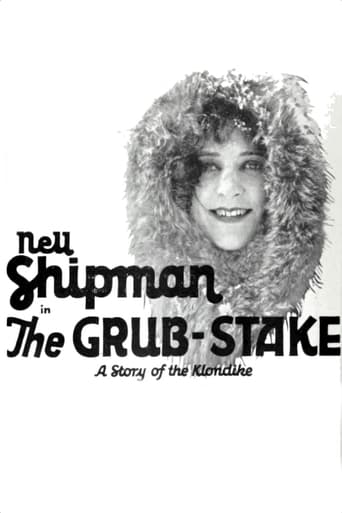
Films
1 film
About Ah Wing
Ah Wing worked on Hollywood during the silent film era. His known filmography consists of a single appearance in the 1923 silent film 'The Grub Stake,' which was a Western drama typical of the period. Like many Asian actors in early Hollywood, Ah Wing likely faced significant typecasting and limited opportunities, often being relegated to stereotypical roles that reflected the prejudices of the time. The fact that his known career spans only 1923 suggests he may have been a bit player or extra who struggled to find consistent work in an industry that systematically excluded performers of Asian descent from leading roles. His appearance in 'The Grub Stake' represents a small but significant part of the broader story of Asian representation in early American cinema, where many performers like him contributed to films despite facing tremendous barriers. The lack of extensive documentation about his life and career is unfortunately typical for many minority actors from this period whose contributions were often overlooked by contemporary records and film historians.
The Craft
Milestones
- Appeared in 'The Grub Stake' (1923)
Best Known For
Must-See Films
Why They Matter
Impact on Culture
Ah Wing's contribution to cinema, while seemingly small, represents the broader struggle and presence of Asian actors in early Hollywood. His appearance in 'The Grub Stake' is part of the larger narrative of Asian representation in American film during a time when performers of Asian descent were severely marginalized and typecast. Even in minor roles, actors like Ah Wing helped establish a foundation for future Asian-American performers, though their individual contributions were often lost to history. The scarcity of information about his career reflects the systemic erasure of minority voices in early film history, making his documented appearance all the more historically significant.
Lasting Legacy
Ah Wing's legacy is primarily that of representation and perseverance during. While he may not have achieved fame or recognition during his lifetime, his inclusion in 'The Grub Stake' demonstrates the presence of Asian performers in early Hollywood despite overwhelming obstacles. His story serves as a reminder of the countless marginalized actors whose contributions to film history have been largely undocumented but who nevertheless played important roles in the development of cinema.
Who They Inspired
As an early Asian-American actor, Ah Wing's influence is largely symbolic, representing the presence of Asian performers in Hollywood during the silent era. While specific influences on other actors cannot be documented, his career path exemplifies the challenges faced by Asian performers in early 20th century American cinema, a narrative that would influence future generations of Asian-American filmmakers and actors who sought to break stereotypes and create more authentic representations of Asian experiences on screen.
Off Screen
Very little is documented about Ah Wing's personal life, which was unfortunately common for many Asian actors in early Hollywood whose lives were not considered newsworthy by contemporary media. Like many performers of Asian descent during this period, he likely faced significant discrimination both within and outside the film industry.
Did You Know?
- Ah Wing appeared in only one known film, 'The Grub Stake' (1923)
- His film active years covered a single year, 1923
- He worked during the silent film era, a period with limited opportunities for Asian actors
- Like many Asian actors of his time, he was likely typecast in stereotypical roles
- The lack of documentation about his life is typical for minority actors from this period
- His name follows the pattern of many early Chinese-American actors who used simplified or Anglicized names
- He was part of a small but significant community of Asian performers in early Hollywood
Frequently Asked Questions
Who was Ah Wing?
Screen credits include the 1923 film 'The Grub Stake.' His known career consists of this single film appearance, making him one of the many early Asian performers in Hollywood whose contributions were limited by the discriminatory practices of the time.
What films is Ah Wing best known for?
Titles linked here include The Grub Stake (1923).
When was Ah Wing born and when did he die?
Specific birth and death dates for Ah Wing are not documented in available historical records, which is unfortunately common for many minority actors from the silent film era whose lives were not thoroughly recorded by contemporary sources.
What awards did Ah Wing win?
There are no documented awards or nominations for Ah Wing, which was typical for bit players and supporting actors, particularly those from minority backgrounds, during the silent film era.
What was Ah Wing's acting style?
Specific details about Ah Wing's acting style are not available in historical records, but like many actors of the silent era, he would have used exaggerated physical expressions and gestures typical of silent film performance to convey emotion and character.