Films
2 films

About Frank Cooley
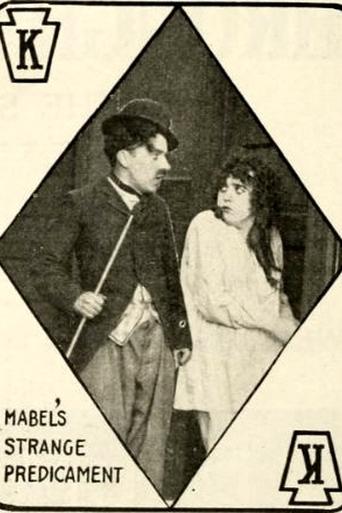
American actor who worked briefly during the silent film era in 1914, appearing in early Keystone Studios comedies. His career coincided with the formative years of American cinema when the industry was still establishing itself in Hollywood. Cooley appeared in supporting roles alongside comedians like Charlie Chaplin and Mabel Normand, who were defining the language of film comedy during this period. His work in films like 'Mabel's Strange Predicament' and 'A Flirt's Mistake' placed him at the center of the revolutionary comedy being produced by Mack Sennett's Keystone Studios. Despite being part of this cinematic revolution, Cooley's acting career was extremely brief, lasting only a single year. Like many actors from this transitional period, he represents the countless performers who contributed to early cinema's development but whose careers were short-lived. His filmography, though limited, provides a window into the collaborative nature of early Hollywood production.
The Craft
Milestones
- Appeared in early Keystone Studios comedies
- Worked alongside Charlie Chaplin and Mabel Normand
- Participated in the development of early film comedy
- Contributed to silent era cinema during its formative years
Best Known For
Must-See Films
Working Relationships
Worked Often With
Studios
Why They Matter
Impact on Culture
Frank Cooley represents the countless anonymous performers who contributed to the birth of American cinema during its most experimental period. His work at Keystone Studios in 1914 places him within. While his individual contributions were minimal, he was part of the collaborative environment that produced groundbreaking works and launched the careers of legends like Charlie Chaplin. The very existence of actors like Cooley demonstrates how the early film industry relied on a vast pool of talent to fill roles in rapidly produced shorts, creating a foundation for the star system that would later dominate Hollywood.
Lasting Legacy
Frank Cooley's legacy is that of a representative figure from the earliest days of Hollywood, embodying the transient nature of many early film careers. His brief appearance in the historical record serves as a reminder of the thousands of performers who passed through the gates of early studios, contributing to the development of cinema without achieving lasting fame. His work in preserved films like 'Mabel's Strange Predicament' ensures that he remains part of the documented history of cinema, however minor his role may have been. For film historians, actors like Cooley provide valuable context for understanding the scale and collaborative nature of early film production.
Who They Inspired
Given his extremely brief career and minor roles, Frank Cooley's direct influence on other performers or the development of cinema was likely negligible. However, as part of the Keystone Studios ensemble during its most innovative period, he contributed to the collective creative energy that influenced generations of comedy filmmakers. The Keystone style of comedy he participated in would influence film comedy for decades, even if individual contributors like Cooley remained anonymous to later audiences.
Off Screen
Very little is documented about Frank Cooley's personal life, which is common for actors of his era who had brief or minor careers in early cinema. Like many performers from the silent era's earliest days, his life story remains largely unrecorded in film history.
Did You Know?
- Frank Cooley's entire known film career consisted of just one year in 1914
- He appeared in films during the same year Charlie Chaplin made his film debut
- Both of his known films were produced by Mack Sennett's influential Keystone Studios
- His filmography represents the typical brief career of many early silent era actors
- He worked during a period when films were typically shot in just a few days
- The films he appeared in were short comedies, usually running 10-15 minutes
- Keystone Studios, where he worked, was responsible for launching many major comedy careers
- His career coincided with the transition of the film industry from the East Coast to Hollywood
Frequently Asked Questions
Who was Frank Cooley?
American with credits in this catalog. His career lasted only one year, making him representative of many anonymous contributors to early cinema.
What films is Frank Cooley best known for?
Titles linked here include Mabel's Strange Predicament (1914), A Flirt's Mistake (1914).
When was Frank Cooley born and when did he die?
Specific birth and death dates for Frank Cooley are not documented in historical records, which is common for minor actors from the earliest days of cinema who had brief careers and limited public recognition.
What awards did Frank Cooley win?
Frank Cooley did not receive any known awards or honors during his brief acting career. The Academy Awards were not established until 1929, well after his film work had ended, and recognition for supporting actors was rare in the early 1910s.
What was Frank Cooley's acting style?
While specific details about Frank Cooley's acting style are not documented, as a Keystone Studios actor in 1914 he would have performed in the broad, physical comedy style characteristic of Mack Sennett productions, which emphasized slapstick, exaggerated gestures, and fast-paced action.
Did Frank Cooley work with any famous actors?
Yes, Frank Cooley worked with several figures of early cinema, including Charlie Chaplin (in his debut year), Mabel Normand (a major comedy star of the era), and other regulars from Mack Sennett's Keystone Studios troupe.
Why was Frank Cooley's career so short?
Frank Cooley's brief career was typical of many early silent era actors who appeared in just a few films before leaving the industry. The early film industry was volatile, with many performers trying acting briefly before pursuing other careers, and the star system that would create long-term careers had not yet fully developed.