Films
1 film
About Julia Hurley
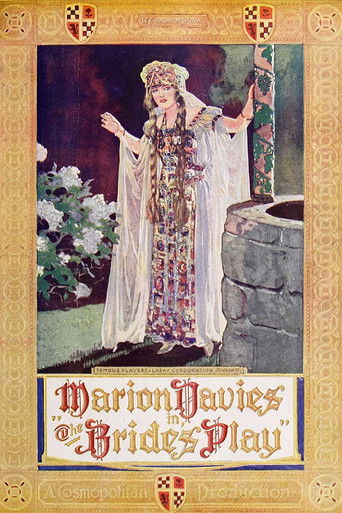
Minor actress during the silent film era of the early 1920s, known primarily for her appearance in the 1922 romantic drama 'The Bride's Play.' Her career appears to have been extremely brief, with documented activity limited to the single year of 1922, suggesting she may have been a bit player, extra, or someone who attempted acting briefly before pursuing other endeavors. Like many performers from this period, detailed records of her life and career are scarce, as the film industry was still establishing comprehensive documentation practices and many supporting players received little press coverage. Her appearance in 'The Bride's Play' places her within the transitional period of American cinema as it evolved from short films to feature-length productions. The fact that she has only one verifiable credit indicates she was likely not under contract to any major studio but may have been hired for this specific production. Unfortunately, like countless other supporting actors from the silent era, much of her personal story and career details have been lost to time, with only her name in the film's credits surviving as evidence of her contribution to early cinema.
The Craft
Milestones
- Appeared in the silent film 'The Bride's Play' (1922)
Best Known For
Must-See Films
Why They Matter
Impact on Culture
Julia Hurley represents the countless anonymous performers who contributed to early cinema during its formative years. While her individual impact may be minimal, her participation in 'The Bride's Play' exemplifies how the film industry relied on numerous supporting actors to bring stories to life. These minor performers were essential to the production process, filling necessary roles that allowed lead actors to shine and narratives to unfold coherently. Her brief appearance in film history serves as a reminder of the thousands of actors whose names appear in credits but whose stories remain largely untold, representing the collective effort that built the foundation of American cinema.
Lasting Legacy
Julia Hurley's legacy is primarily archival, existing as a name in film history databases and credits that document the complete cast of early silent films. While she did not achieve lasting fame or recognition, her contribution to 'The Bride's Play' ensures she is remembered as part of the fabric of early Hollywood. Her story is representative of many performers from the silent era who briefly participated in the burgeoning film industry before pursuing other paths or fading from public view. For film historians and enthusiasts, she represents the importance of preserving even minor contributions to cinema history, as each performer played a role in the development of the art form.
Who They Inspired
As a minor actor with only one known film credit, Julia Hurley's direct influence on other performers or the film industry appears to be minimal. However, like all actors of her era, she contributed to the evolution of screen acting techniques during the transition from theatrical to cinematic performance styles. The collective work of actors like Hurley helped establish the conventions of silent film acting that would influence subsequent generations of performers, even if individual contributions are difficult to trace.
Off Screen
Very little is known about Julia Hurley's personal life, which is common for minor actors from the silent era who did not achieve significant fame. Like many supporting players of her time, she likely lived a private life away from the spotlight, with no extensive press coverage documenting her family background, relationships, or personal activities.
Did You Know?
- Julia Hurley's entire known film career consists of a single year of activity (1922)
- She appeared in 'The Bride's Play' during the peak of the silent film era
- The film she appeared in was directed by George Terwilliger, a prolific director of the 1910s and 1920s
- Her co-star in 'The Bride's Play' was Alice Brady, who would later become an Academy Award winner
- The fact that only one film credit exists for her suggests she may have been an extra or bit player
- Many actors from this period with brief careers were often local residents hired when productions filmed in their area
- Silent era actors with minimal filmographies often worked primarily in theater or vaudeville
- The 1920s saw thousands of actors attempt film careers, with only a small percentage achieving lasting success
Frequently Asked Questions
Who was Julia Hurley?
Minor actress from the silent film era known for appearing in the 1922 film 'The Bride's Play.' Her career appears to have been extremely brief, with documented activity limited to the single year of 1922, suggesting she was likely a bit player or supporting actor who did not achieve lasting fame in Hollywood.
What films is Julia Hurley best known for?
Titles linked here include The Bride's Play (1922).
When was Julia Hurley born and when did she die?
Unfortunately, specific birth and death dates for Julia Hurley are not available in historical records. This is common for minor actors from the silent era who did not achieve significant fame, as detailed biographical information was often not preserved for supporting players of that time.
What awards did Julia Hurley win?
Julia Hurley did not receive any known awards or nominations for her work in film. As a minor actor with only one known credit during the silent era, she would not have been considered for major industry awards, which were also just being established during this period.
What was Julia Hurley's acting style?
Due to the lack of surviving detailed information about Julia Hurley's performances and the fact that 'The Bride's Play' is likely a lost film, her specific acting style cannot be determined. Like most silent era actors, she would have used exaggerated expressions and gestures to convey emotion without dialogue, following the conventions of the time.