Films
1 film
About Walter Morton
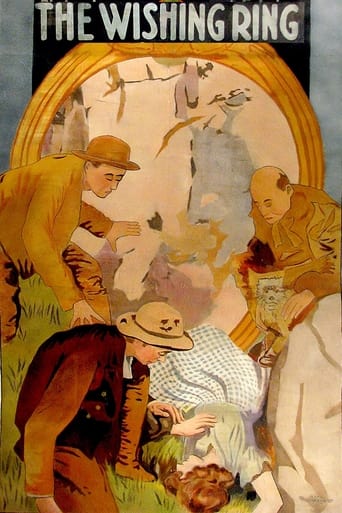
Walter Morton is credited on a single production — Maurice Tourneur's The Wishing Ring: An Idyll of Old England (1914). His screen career appears limited to that year; like many early bit players, no further filmography is recorded for him in this catalog.
The Craft
Milestones
- Appeared in 'The Wishing Ring: An Idyll of Old England' (1914)
- Part of early American silent film era
- Worked with director Maurice Tourneur
Best Known For
Iconic Roles
Must-See Films
Working Relationships
Worked Often With
Why They Matter
Impact on Culture
Walter Morton's impact on cinema, while minimal due to his brief career, represents the collective contribution of early silent film actors who helped establish the foundation of American motion pictures. His participation in 'The Wishing Ring: An Idyll of Old England' connects him to an important early work that demonstrated the artistic potential of cinema as a storytelling medium. The film itself was significant enough to be preserved and studied by film historians, ensuring that Morton's work, however small, remains part of cinema's historical record.
Lasting Legacy
Walter Morton's legacy is primarily that of an early cinema pioneer, one of countless actors who participated in the birth of American film during its formative years. While his career was brief and his name largely forgotten by mainstream audiences, his contribution to 'The Wishing Ring' ensures his place in film history. His story is representative of many early actors whose work was essential to the development of cinema but whose individual stories have been lost to time due to limited documentation and the ephemeral nature of early film careers.
Who They Inspired
Due to his extremely brief career in cinema, there is no documented evidence of Walter Morton's influence on other actors or directors. His influence, if any, would have been limited to his immediate circle during the production of his single known film in 1914.
Off Screen
Very little is documented about Walter Morton's personal life, which is common for many actors from the early silent film period who had brief careers in cinema.
Did You Know?
- Walter Morton's entire known film career consists of a single year - 1914
- His only known film 'The Wishing Ring: An Idyll of Old England' was directed by Maurice Tourneur, who later became a prominent Hollywood director
- The Wishing Ring was considered a significant artistic achievement for its time and was praised for its cinematography and storytelling
- Many actors from this era with brief careers were likely stage actors who tried the new medium of film but returned to theater
- The film was an early example of American cinema's attempt to create literary adaptations with artistic merit
- Silent film actors often had to exaggerate their expressions and gestures to convey emotion without dialogue
- 1914 was a pivotal year in cinema, occurring just as feature films were beginning to replace short films as the industry standard
Frequently Asked Questions
Who was Walter Morton?
Screen credits include only one known film, 'The Wishing Ring: An Idyll of Old England' in 1914. His career in motion pictures was exceptionally brief, spanning just that single year, making him one of many early film pioneers whose time in cinema was limited to its formative years.
What films is Walter Morton best known for?
Titles linked here include The Wishing Ring: An Idyll of Old England (1914).
When was Walter Morton born and when did he die?
Unfortunately, specific birth and death dates for Walter Morton are not documented in available historical records, which is common for many actors from the early silent film period who had brief careers in cinema.
What awards did Walter Morton win?
Walter Morton did not receive any known awards or nominations for his work in cinema. The Academy Awards were not established until 1929, well after his brief career had ended, and other award systems for film were not in place during 1914.
What was Walter Morton's acting style?
Specific details about Walter Morton's acting style are not documented, but actors of the silent film era typically employed exaggerated gestures and facial expressions to convey emotion without dialogue. His work in 'The Wishing Ring' would have followed the conventions of early 1910s cinema performance.
Why was Walter Morton's career so short?
The brevity of Walter Morton's career was not unusual for the early film era. Many actors tried the new medium of motion pictures but returned to stage work or pursued other careers. The film industry was still developing, and stable, long-term acting careers were not yet the norm.
Is 'The Wishing Ring' a significant film in cinema history?
Yes, 'The Wishing Ring: An Idyll of Old England' (1914) is considered significant in early cinema history. Directed by Maurice Tourneur, it was praised for its artistic qualities and cinematography, representing an early example of American cinema's artistic ambitions during the silent era.